
Before You Start a New Exercise Routine: A Safety-First Checklist

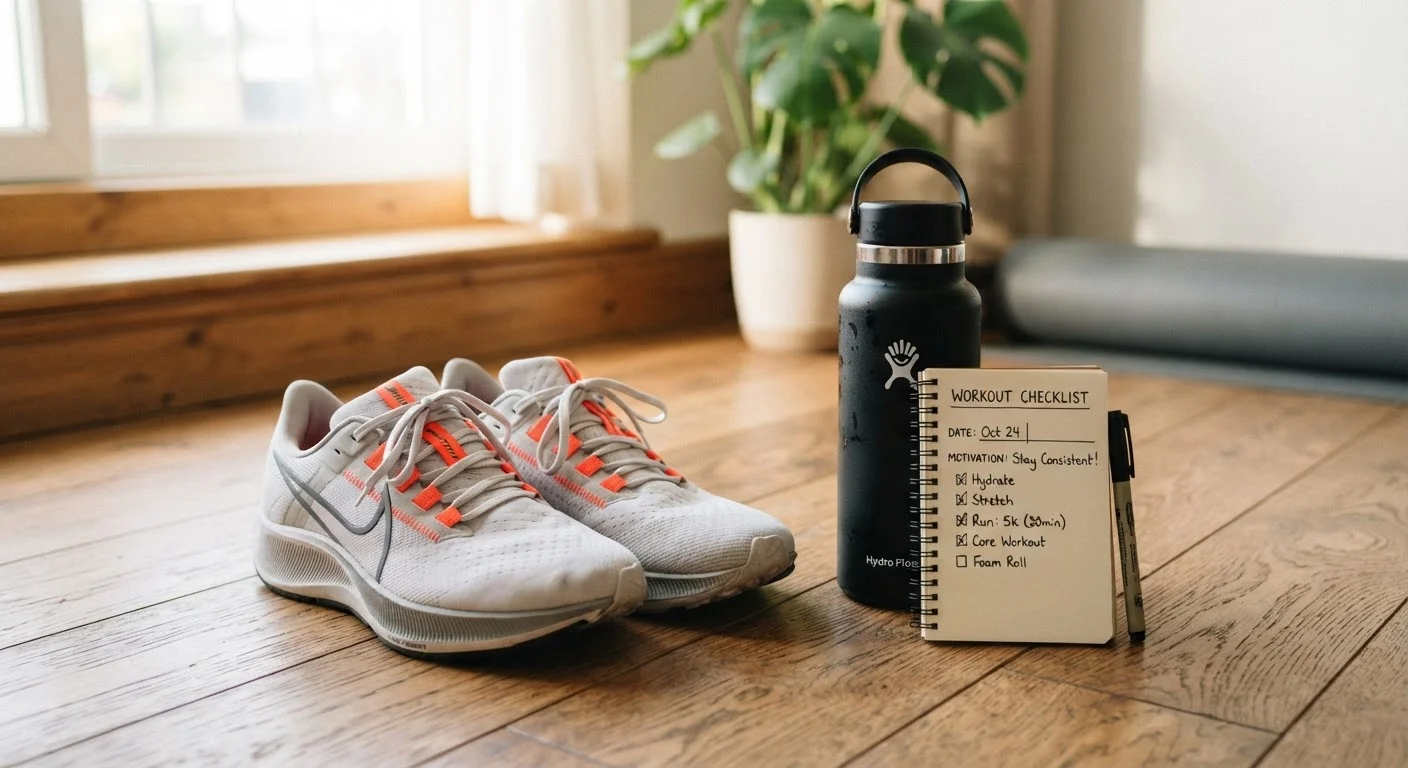
Photo: AnswersVista.com | Trustworthy Information Every Day editorial
Key Takeaways
- Checking in with a healthcare provider before starting is especially important if you have existing health conditions.
- Realistic goal-setting reduces injury risk and dramatically improves long-term adherence to any fitness program.
- Proper footwear and basic safety gear matter more than expensive equipment when starting out.
- Understanding warning signs during exercise helps you respond appropriately rather than push through danger.
- Gradual progression - not intensity - is the most evidence-supported strategy for sustainable fitness gains.
Why a Pre-Exercise Checklist Actually Matters
Starting a new fitness routine is one of the most positive steps you can take for your long-term health. But enthusiasm alone isn't enough to make it safe or sustainable. The gap between wanting to get active and actually sticking with it - without getting hurt - comes down to preparation.
Most exercise-related injuries among beginners aren't freak accidents. They're the predictable result of skipping foundational steps: ignoring a nagging knee issue, choosing the wrong footwear, or going hard on day one without any fitness baseline. This checklist addresses those gaps in a logical order, so you can move forward with real confidence rather than guesswork.
If you're returning to fitness after a significant break rather than starting from scratch, you may also benefit from our first-month roadmap for coming back after a long break - the approach differs meaningfully from starting fresh.
This Checklist Is Not Medical Advice
What You'll Need Before You Begin
You don't need a gym membership or expensive gear to start exercising safely. But a few foundational tools make a genuine difference in reducing injury risk and tracking your progress from day one.
PAR-Q Self-Screening Form
Helps you identify health flags that warrant a medical consultation before beginning exercise; widely available through public health organizations.
Activity-appropriate footwear
Reduces injury risk by providing the correct support and traction for your chosen movement type.
Water bottle
Keeps you consistently hydrated throughout your session, supporting performance and safety.
Exercise journal or fitness app
Tracks sessions, notes discomfort patterns, and helps you observe progress over time.
Heart rate monitor or smartwatch
Provides real-time feedback on exercise intensity, helping you stay within a safe and productive effort range.
Keep your setup simple. The most important investments are the non-negotiables: appropriate footwear, water, and a self-screening step before you ever break a sweat.
Working Through the Checklist
The four groups below move in a deliberate sequence - from assessing your health baseline, to setting goals, to preparing your environment, to structuring your first sessions. Work through them in order rather than jumping ahead to the practical steps.
Health Readiness
Goal Setting & Planning
Equipment & Environment
Starting Smart
Stop Exercising and Seek Help Immediately If…
Starting Too Hard Too Fast Is the Most Common Mistake
One of the most underappreciated checklist items is planning rest days before your program begins. Many first-timers schedule six or seven active days in week one and wonder why they're exhausted and sore by day four. Rest is not a reward for effort - it's a structural requirement for physical adaptation.
This article is for general informational and educational purposes only and does not constitute medical advice. Always consult a qualified healthcare professional before beginning a new exercise program, particularly if you have any existing health conditions, are pregnant, or have been inactive for an extended period.
The content provided on our blog site traverses numerous categories, offering readers valuable and practical information. Readers can use the editorial team’s research and data to gain more insights into their topics of interest. However, they are requested not to treat the articles as conclusive. The website team cannot be held responsible for differences in data or inaccuracies found across other platforms. Please also note that the site might also miss out on various schemes and offers available that the readers may find more beneficial than the ones we cover.