
DIY vs. Hiring a Contractor: How to Decide for Different Project Types

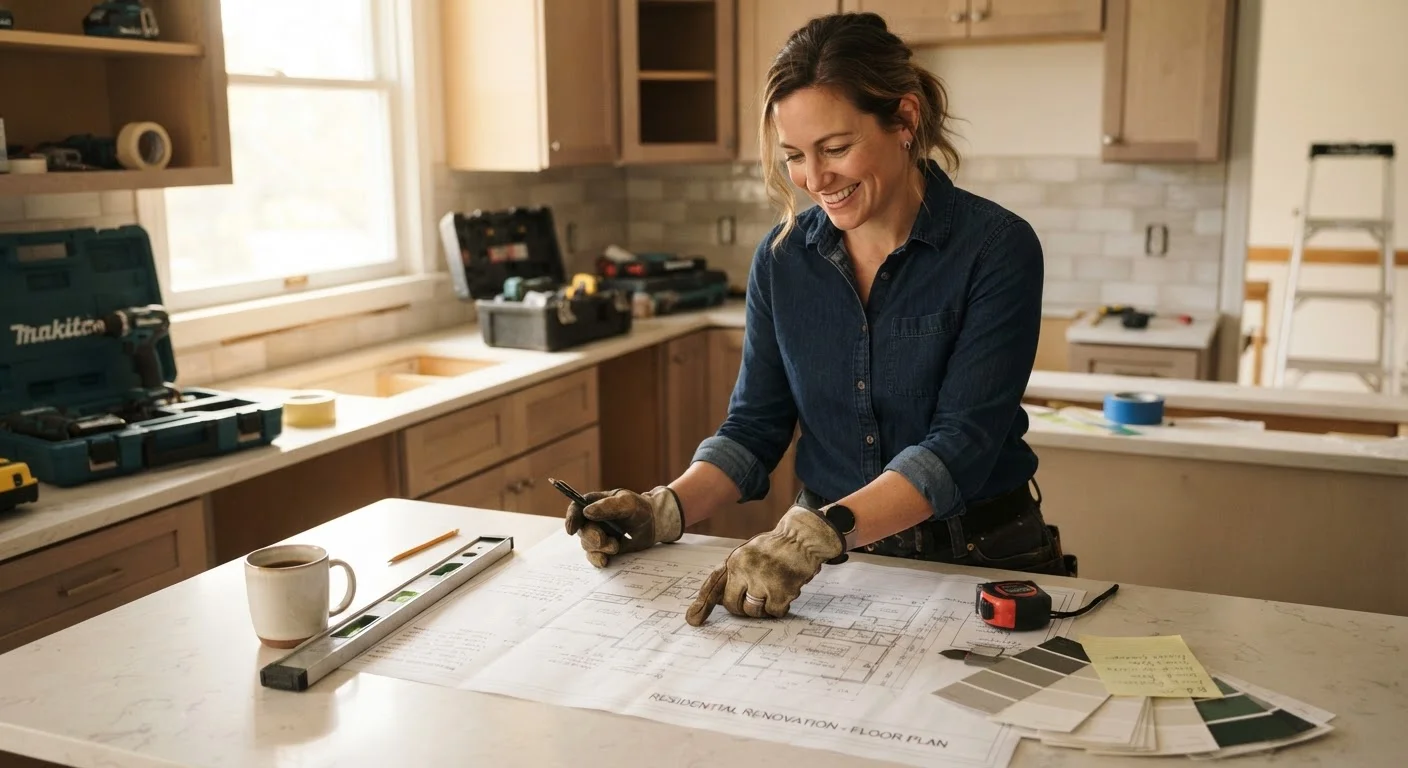
Photo: AnswersVista.com | Trustworthy Information Every Day editorial
Key Takeaways
- Projects involving electrical panels, gas lines, or structural changes almost always require a licensed professional.
- Permit requirements vary by municipality - unpermitted work can create liability and complicate home sales.
- Skill level, available time, and the cost of mistakes are the three most critical factors in the DIY-vs.-contractor decision.
- Many cosmetic and maintenance tasks are well within reach for confident beginners with the right preparation.
- When in doubt, getting a contractor estimate costs nothing and gives you a useful cost benchmark.
The Core Decision Framework
Before picking up a paintbrush or calling a contractor, run any project through three essential questions:
- What are the safety risks? Work involving electricity, gas, plumbing connections to mains, or structural elements carries real physical danger if done incorrectly. These aren't areas where on-the-job learning is wise.
- Is a permit required? Many jurisdictions require permits for additions, electrical work, HVAC changes, and more. See which projects typically require a permit before you start. Unpermitted work can create serious liability and complicate a future home sale.
- What's the cost of a mistake? A patchy paint job is easy to redo. A botched subfloor or a leaking pipe inside a wall is not. The higher the repair cost of failure, the stronger the case for hiring a pro.
If a project clears all three - low hazard, no permit needed, correctable if imperfect - it's likely a sound DIY candidate. If it fails even one, slow down and reassess.
Projects Well-Suited to DIY
A wide range of common home tasks are manageable for homeowners with basic skills, standard tools, and a willingness to follow instructions carefully.
Strong DIY candidates include:
- Interior painting - Walls, trim, and ceilings require patience and prep but no special licensing. Proper masking and priming make a measurable difference in results.
- Tile work in non-wet areas - Laying tile in a mudroom, entryway, or kitchen backsplash is learnable. Wet areas like showers carry higher stakes due to waterproofing requirements.
- Landscaping and garden projects - Planting, mulching, building simple raised beds, and installing edging are all accessible beginner projects.
- Fixture swaps - Replacing a faucet, a showerhead, a light fixture (after shutting off the breaker), or a toilet involves manageable complexity if you follow manufacturer instructions.
- Drywall patching - Small holes and dings are straightforward. Large sections may benefit from professional finishing for a seamless result.
Build Skills on Low-Stakes Projects First
Before tackling any new task, factor in your realistic available time. A weekend project that drags on for three weekends becomes a disruption, not a savings.
Projects That Typically Require a Professional
Some work is legally or practically off-limits for unlicensed homeowners - and for good reason. The risk of injury, code violation, or costly long-term damage is simply too high.
Never Skip Permits on Regulated Work
Leave these to licensed professionals:
- Electrical panel work - Upgrading a panel, adding circuits, or repairing wiring in walls involves serious shock and fire risk. Most jurisdictions require a licensed electrician and an inspection.
- Gas line installation or repair - Natural gas and propane work must be handled by a licensed plumber or gas fitter. Errors can be catastrophic.
- Structural modifications - Removing walls (especially load-bearing ones), adding doorways, or modifying roof framing requires engineering knowledge and, typically, a permit and inspection. Use the room renovation planning checklist before any demolition.
- HVAC installation - Sizing, refrigerant handling, and ductwork connections are regulated trades in most states.
- Roofing - Beyond basic gutter cleaning, roofing work carries significant fall risk and installation errors can void manufacturer warranties.
Comparing the Two Approaches
Both paths have genuine advantages. Use the table below to weigh the most relevant factors for your specific situation.
| DIY | Hiring a Contractor | |
|---|---|---|
| Upfront cost | Lower (materials only) | Higher (labor + materials) |
| Risk of costly errors | Higher without experience | Lower with licensed pros |
| Permit handling | Homeowner's responsibility | Often managed by contractor |
| Time investment | Significant personal time | Minimal homeowner time |
| Quality consistency | Varies by skill level | Generally predictable |
| Satisfaction / learning | High personal reward | Outcome-focused, less hands-on |
| Liability if something goes wrong | Homeowner bears full risk | Contractor insurance may cover |
Cost is often the first factor homeowners cite, but it shouldn't be the only one. A DIY project done incorrectly may ultimately cost more to remediate than hiring a professional from the start would have. Similarly, the hidden value of a contractor - insurance, warranties on labor, knowledge of local code - is easy to overlook when comparing estimates.
Making the Final Call
If you're genuinely on the fence, a few practical steps can help clarify the decision:
- Get a contractor estimate first. Even if you plan to DIY, knowing the professional price gives you a cost benchmark and reveals what expertise is actually involved. Many contractors offer free estimates.
- Look up local permit requirements. Your county or city building department website often lists which projects require permits. This alone can settle the question.
- Honestly assess your skill level. YouTube tutorials and home improvement guides are valuable, but they're not substitutes for hands-on experience with tools, materials, and site conditions.
- Consider a hybrid approach. Some homeowners hire a contractor for the technical portions (rough plumbing, electrical rough-in) and handle the finish work themselves (painting, trim, hardware).
The goal isn't to DIY everything or outsource everything - it's to make decisions that protect your home, your safety, and your budget over the long run.
The content provided on our blog site traverses numerous categories, offering readers valuable and practical information. Readers can use the editorial team’s research and data to gain more insights into their topics of interest. However, they are requested not to treat the articles as conclusive. The website team cannot be held responsible for differences in data or inaccuracies found across other platforms. Please also note that the site might also miss out on various schemes and offers available that the readers may find more beneficial than the ones we cover.