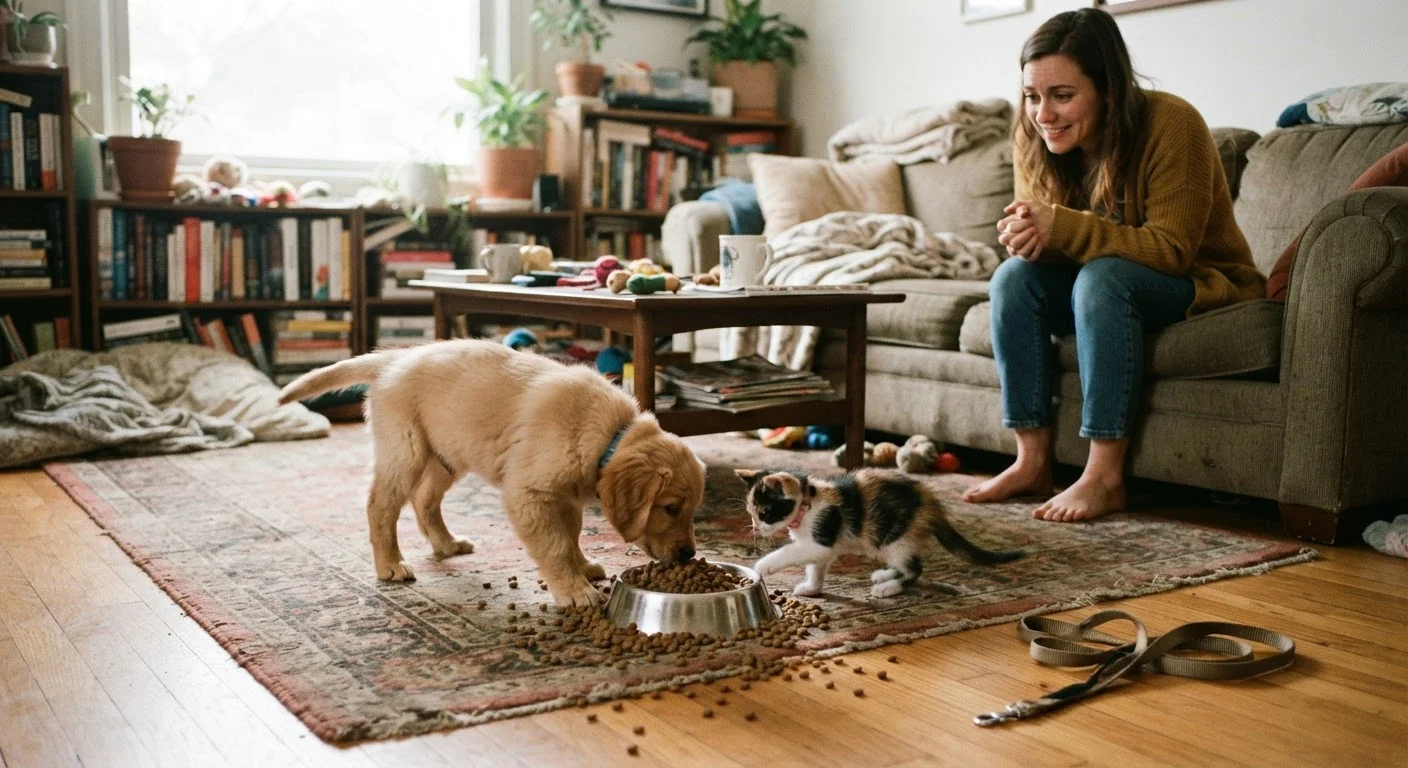
Bringing a Second Pet Home: Managing the Introduction Process

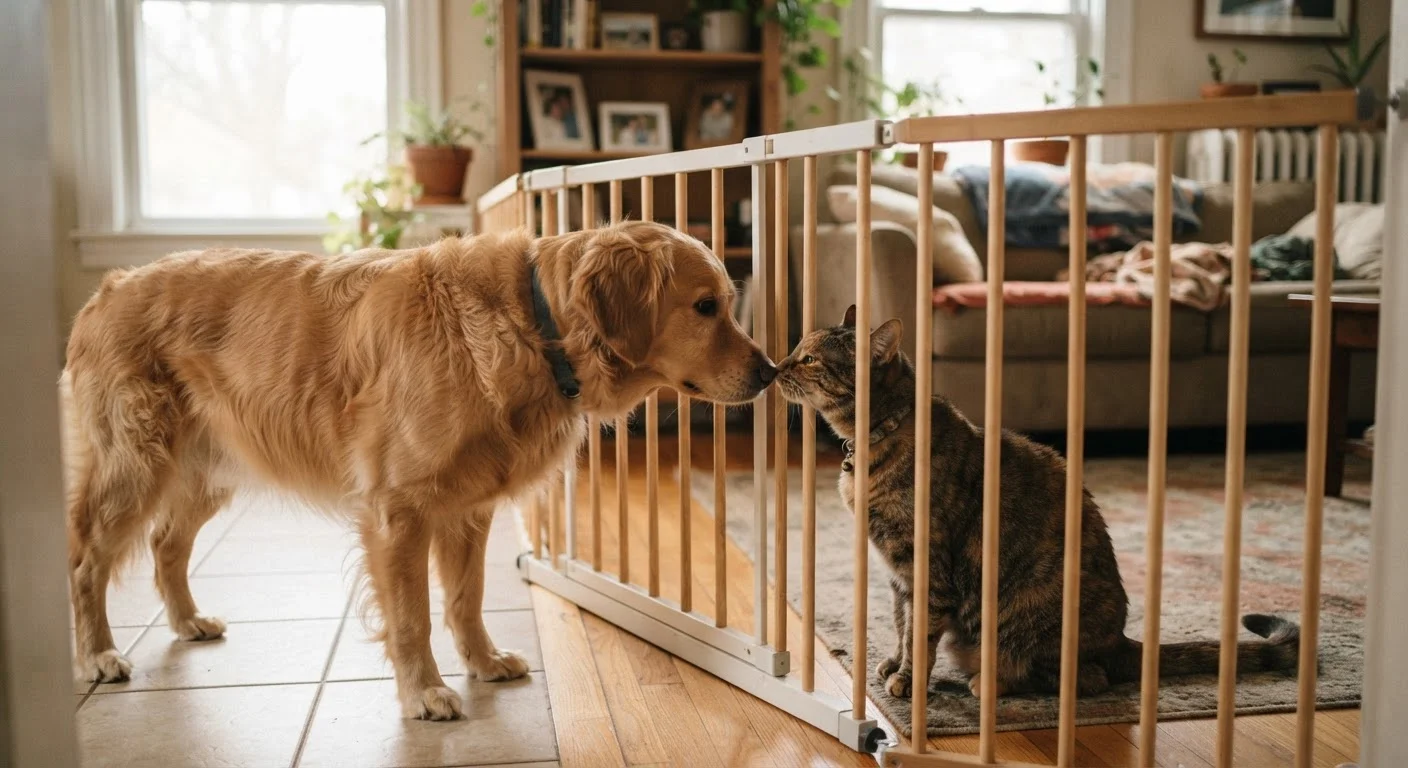
Photo: AnswersVista.com | Trustworthy Information Every Day editorial
Key Takeaways
- A slow, phased introduction reduces stress and aggression between resident and new pets.
- Scent swapping before any face-to-face meeting is one of the most effective preparation steps.
- Separate feeding stations and safe retreat spaces are essential during the adjustment period.
- Most pets need one to four weeks before reliably coexisting; some may need longer.
- Watch for sustained resource guarding, repeated attacks, or extreme hiding as signs to consult a professional.
Why the Introduction Process Matters
Adding a second pet is one of the most common decisions pet owners make - and one of the most frequently rushed. Animals are territorial by nature, and a resident pet's sense of safety, routine, and resource access is directly affected when a new animal enters the home. A poorly managed introduction can result in chronic stress, inter-animal aggression, or behavioral problems that persist for months.
The good news is that the process is manageable with the right structure. A phased approach - separate spaces, scent exposure, visual contact, then physical proximity - mirrors how animals naturally build tolerance for unfamiliar individuals. It works across species combinations, though the timeline varies. For a broader perspective on what responsible multi-pet ownership involves, see the full picture of responsible pet ownership.
Consult a Vet Before Bringing a New Pet Home
What You'll Need Before You Begin
Preparation before the new pet arrives is just as important as the introduction itself. Review your setup against the list below and address any gaps. Common mistakes - like sharing food bowls immediately or giving both pets access to the whole house from day one - can create conflict that sets the process back significantly. If you're new to multi-pet households, understanding common new pet owner pitfalls is worth reading first.
What you will need
Baby gate or exercise pen
Creates a see-through physical barrier so pets can observe each other safely without direct contact.
Separate food and water dishes
Prevents resource guarding by giving each pet its own feeding station during the adjustment period.
Towel or soft bedding for scent transfer
Used to carry each pet's scent into the other's space before any visual or physical meeting.
Long leash or drag line
Allows control during initial face-to-face meetings with dogs without requiring close physical handling.
High-value treats
Reinforces calm, positive behavior during introductions to build positive associations.
Pheromone diffuser (species-appropriate)
May help reduce ambient stress levels in the home during the transition period.
Step-by-Step Introduction Process
Follow these steps in order. Skipping phases - particularly scent swapping - is the most common reason introductions go poorly. If an animal shows signs of significant stress at any stage, pause and extend that phase rather than pushing forward.
Set up a dedicated space for the new pet
Before the new animal arrives, prepare a separate room equipped with food, water, a litter box (if a cat), bedding, and enrichment items. This space serves as a safe base where the new pet can decompress without encountering the resident animal. Keep the door closed at all times initially. The resident pet's access to the rest of the home should remain unchanged so they don't feel displaced.
Begin scent swapping
After one to two days, exchange a soft item - a towel or a piece of bedding - between the two spaces. Place the new pet's scent item near (but not at) the resident pet's resting area, and vice versa. Allow each animal to investigate at its own pace. Repeat daily, gradually moving the items closer to each pet's core space over the next several days. This step is the single most important preparation before any visual introduction.
Allow supervised visual contact through a barrier
Once both animals appear relaxed in the presence of each other's scent items - typically after three to seven days - swap their rooms briefly so each can explore the other's full space. Then introduce a visual barrier such as a baby gate or cracked door. Allow short, calm observation sessions of two to five minutes. Watch for relaxed body posture: soft eyes, loose muscles, and natural curiosity rather than fixation or stiff alertness.
Conduct the first face-to-face meeting
Choose a neutral space neither pet considers its primary territory. For dogs, this often works best outdoors or in a hallway. Keep the dog on a long leash or drag line held loosely - avoid tight leash tension, which can increase anxiety. Let the animals approach each other at their own pace. Keep the first session under five minutes and end on a calm note before either pet shows signs of stress. Gradually increase duration over subsequent days.
Establish parallel routines with separate resources
Once face-to-face meetings are going smoothly, begin allowing shared space while maintaining separate feeding stations, water bowls, and resting areas. Feed pets on opposite sides of the room, then gradually move the stations closer over days to weeks as tension decreases. Cats should always have one more litter box than the number of cats in the home. Ensure each animal has a retreat - a place the other cannot access - to use whenever it feels overwhelmed.
Monitor and adjust as cohabitation begins
Even after animals are sharing space, continue supervised interactions for at least the first few weeks. Watch for escalating patterns - resource guarding, repeated chasing, or one pet consistently retreating - and slow down the timeline if these appear. Most healthy adult pets reach a stable coexistence within one to four weeks, though some pairs take longer. Consulting a certified animal behaviorist is worthwhile if progress stalls or aggression persists.
Reward Calm, Not Just the Absence of Conflict
Once your pets are reliably coexisting, the next phase is building good habits through training. The pet training hub offers structured guidance on reinforcing positive behavior in multi-pet homes.
When to Seek Professional Help
Not every pair of animals will become best friends, and that's a realistic outcome to plan for. However, there's a meaningful difference between two animals that simply coexist politely and two animals that are chronically stressed or unsafe around each other.
Seek help from a certified veterinary behaviorist or applied animal behaviorist if you observe: sustained resource guarding that doesn't improve with management, repeated predatory-style attacks rather than ritualized sparring, an animal that stops eating or completely withdraws from normal activity, or injury to either pet. Early intervention is far more effective than waiting until patterns are entrenched. Your veterinarian can provide a referral and help determine whether an underlying health issue - such as pain or anxiety - is contributing to the behavior. For ongoing health monitoring throughout the adjustment period, the pet health resource hub is a useful reference.
This article is for general informational purposes only and does not substitute for advice from a licensed veterinarian or certified animal behaviorist. Always consult a qualified professional for concerns about your individual pets' health or behavior.
The content provided on our blog site traverses numerous categories, offering readers valuable and practical information. Readers can use the editorial team’s research and data to gain more insights into their topics of interest. However, they are requested not to treat the articles as conclusive. The website team cannot be held responsible for differences in data or inaccuracies found across other platforms. Please also note that the site might also miss out on various schemes and offers available that the readers may find more beneficial than the ones we cover.