Why Table Scraps Can Be Riskier Than They Look


Photo: AnswersVista.com | Trustworthy Information Every Day editorial
Key Takeaways
- Many common human foods - including grapes, onions, and xylitol - are genuinely toxic to pets, not just unhealthy.
- Pets metabolize food differently than humans, which is why species-specific diets exist.
- Even foods not classified as toxic can cause obesity, pancreatitis, or digestive upset over time.
- Symptoms of food toxicity in pets can appear hours or even days after ingestion.
- When in doubt about a food, contact your veterinarian or an animal poison control hotline before feeding it.
Why Pet Metabolism Changes Everything
The fundamental reason table scraps can be dangerous isn't simply that pets are smaller than us - it's that their bodies process food using entirely different biological machinery. Cats, for example, are obligate carnivores: their livers lack certain enzymes that help break down plant-based compounds. Dogs, while more omnivorous, still carry metabolic differences that make several everyday foods genuinely hazardous.
Take the example of theobromine, a stimulant found in chocolate. Humans metabolize it quickly. Dogs do so far more slowly, allowing it to build up to toxic concentrations in the bloodstream. The same principle applies to compounds in grapes, onions, macadamia nuts, and the sugar substitute xylitol - each interacts with a pet's physiology in ways that can damage the kidneys, liver, red blood cells, or nervous system.
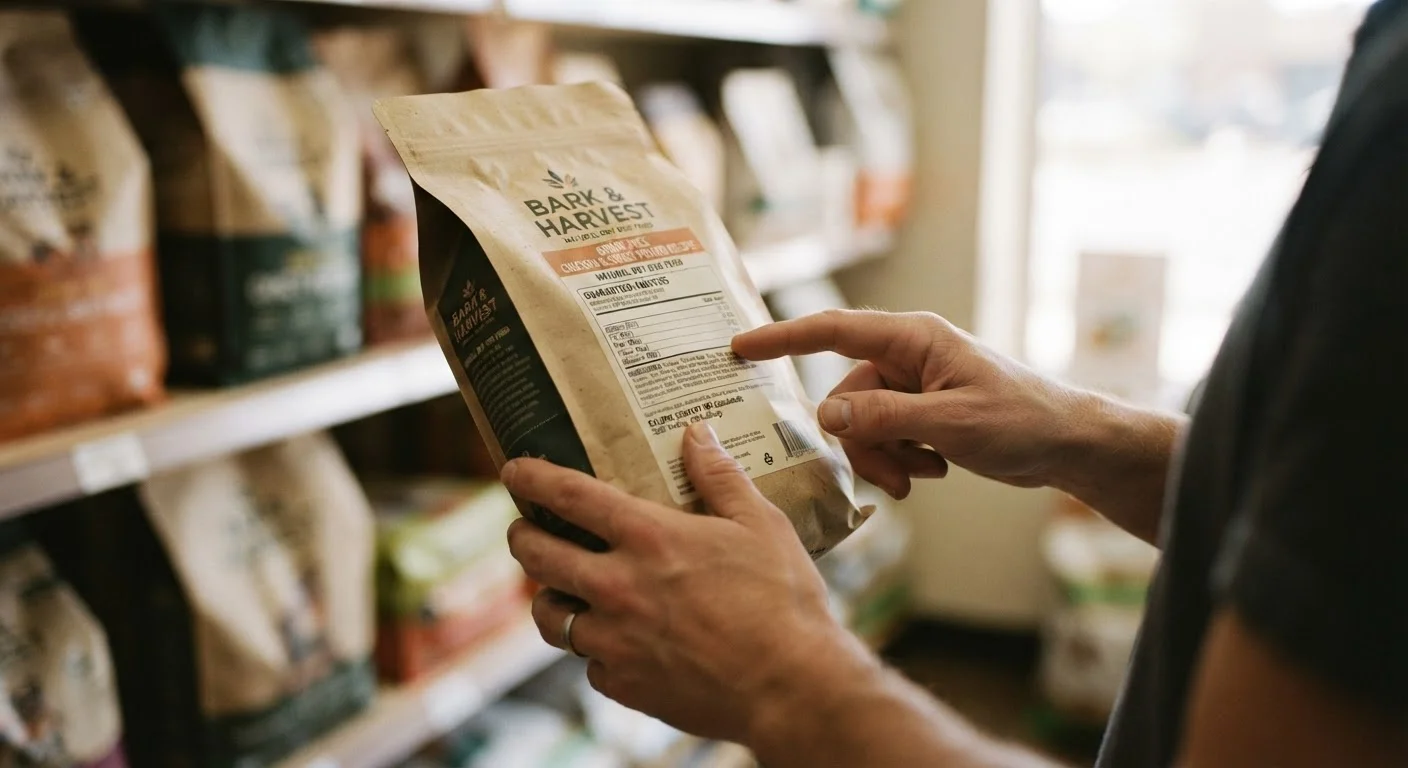
This is also why species-specific commercial diets exist. As explained in our guide on reading pet food nutrition labels, formulated diets are designed around an animal's actual metabolic needs - something improvised table feeding cannot replicate reliably.
~232,000
Annual pet poisoning cases reported to U.S. animal poison control
The ASPCA Animal Poison Control Center consistently cites food items among the top reported exposure categories each year.
Top 3
Category rank of food toxins in pet poisoning calls
Human foods regularly rank among the top three categories of pet poisoning exposures reported to animal poison control hotlines in the U.S.
~30%
Estimated rate of obesity among U.S. pets
Veterinary surveys consistently estimate that roughly a third of dogs and cats in the United States are overweight or obese, with diet composition - including table scraps - identified as a contributing factor.
The Most Commonly Misunderstood Offenders
Several foods surprise even experienced pet owners because they seem innocuous - even healthy - by human standards.
- Onions and garlic: Both contain compounds called thiosulfates, which damage red blood cells in dogs and cats, potentially causing hemolytic anemia. Cooked or powdered forms are equally dangerous.
- Grapes and raisins: Despite years of research, the exact toxic mechanism remains unclear - but kidney failure has been documented in dogs after ingesting even small amounts. No safe threshold has been established.
- Xylitol: This sweetener, found in sugar-free gum, peanut butter, and baked goods, triggers a rapid insulin release in dogs, causing dangerously low blood sugar and potential liver failure.
- Macadamia nuts: Within 12 hours of ingestion, dogs may experience weakness, vomiting, tremors, and elevated body temperature. The mechanism is not fully understood.
- Cooked bones: Splinter easily, causing lacerations or blockages in the digestive tract - a risk that raw bones don't entirely eliminate either.
These aren't edge cases. They represent some of the most common calls to veterinary emergency lines. Being part of the pet health
means understanding that good intentions don't protect pets from biochemistry.The Slower Harm: Cumulative Dietary Risks
Not all table scrap dangers arrive as emergencies. Some build quietly over weeks or months. High-fat foods - think bacon drippings, cheese, or rich gravies - can trigger pancreatitis, a painful and potentially life-threatening inflammation of the pancreas. Symptoms include vomiting, lethargy, and abdominal pain, and they may not appear until significant damage has occurred.
Consistent table scraps also contribute to obesity, which carries its own chain of consequences: joint deterioration, diabetes, respiratory difficulty, and shortened lifespan. Feeding scraps as rewards can also undermine formal training progress, since pets learn to hold out for higher-value human food rather than respond to standard cues. Our pet training hub covers how reward structure affects behavioral outcomes.
Keep a Safe Food Reference List Handy
It's also worth noting that table feeding habits established early are hard to reverse - for the pet and the owner. This is one of the most common pitfalls covered in our article on new pet owner mistakes.
This article provides general educational information about pet nutrition and is not a substitute for professional veterinary advice. If you believe your pet has ingested a harmful substance, contact your veterinarian or a qualified animal poison control resource immediately.
Frequently Asked Questions
The content provided on our blog site traverses numerous categories, offering readers valuable and practical information. Readers can use the editorial team’s research and data to gain more insights into their topics of interest. However, they are requested not to treat the articles as conclusive. The website team cannot be held responsible for differences in data or inaccuracies found across other platforms. Please also note that the site might also miss out on various schemes and offers available that the readers may find more beneficial than the ones we cover.