
Common Assumptions About Pet Health That Vets Frequently Correct

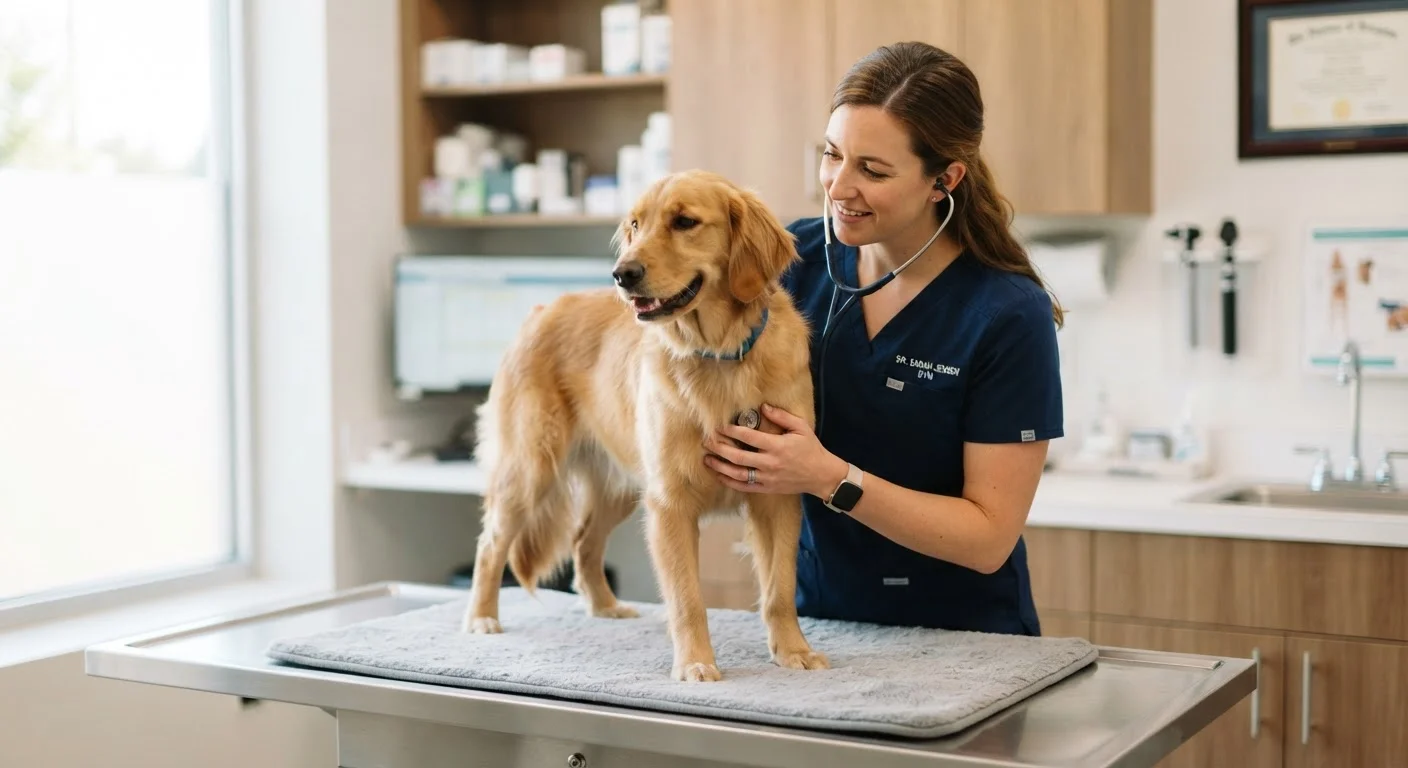
Photo: AnswersVista.com | Trustworthy Information Every Day editorial
Key Takeaways
- A dog's wet nose does not reliably indicate good health or illness.
- Licking wounds can introduce bacteria and slow healing - vets generally advise against it.
- Indoor cats still need regular veterinary care, vaccinations, and parasite prevention.
- Pets routinely hide pain; behavioral changes are often the only visible signal.
- A healthy weight looks different from what many owners perceive as normal.
Why Pet Health Myths Are So Persistent
Most pet health misconceptions don't start from carelessness - they start from observation. An owner notices their dog licking a cut and assumes it must be helping. They see their indoor cat thriving and conclude annual checkups are unnecessary. These observations feel logical, but veterinary science frequently tells a different story.
Understanding where common assumptions go wrong helps owners make better day-to-day decisions - and know when something that looks fine actually warrants a call to their vet. If you're new to pet ownership, our guide on common new pet owner pitfalls covers many related missteps worth reviewing alongside these myths.
Myth
A dog's nose tells you whether they're healthy - wet means fine, dry means sick.
Fact
Nose moisture varies throughout the day based on activity, environment, and sleep, and is not a reliable health indicator.
This is one of the most repeated pieces of folk wisdom in dog ownership - and one of the least clinically meaningful. A dog's nose can be temporarily dry after a nap, in warm weather, or simply due to individual variation. Conversely, a wet nose doesn't rule out illness. Vets assess health through a combination of vital signs, body condition, behavior, and physical examination - not a single sensory observation.
Myth
Dogs licking their wounds helps them heal faster because saliva has antibacterial properties.
Fact
While dog saliva contains some antimicrobial compounds, licking wounds introduces bacteria, causes tissue trauma, and significantly increases infection risk.
The antibacterial components in saliva are real but modest - and far outweighed by the bacteria present in a dog's mouth. Repeated licking removes protective scabs, irritates healing tissue, and can introduce pathogens directly into the wound. This is precisely why veterinarians recommend using protective collars (commonly called e-collars or "cones") after procedures or injuries. If your pet has recently had surgery, our article on mistakes that delay recovery after surgery covers this and similar healing pitfalls.
Myth
Indoor cats don't need annual vet visits or vaccines - they're not exposed to anything dangerous.
Fact
Indoor cats face real health risks including obesity, dental disease, and certain infections, and still require regular veterinary monitoring and core vaccinations.
"Indoor" doesn't mean risk-free. Rabies vaccination is legally required in many U.S. states regardless of whether the animal goes outside. Some pathogens can be tracked indoors on clothing and shoes. Dental disease, hyperthyroidism, kidney disease, and diabetes - all common in cats - are unrelated to outdoor exposure and develop silently. Annual exams allow vets to catch these conditions before they become serious. Skipping visits based on the assumption that a cat seems fine is one of the most common care gaps vets encounter.
Myth
If my pet were in pain, I'd be able to tell - they'd cry or stop eating.
Fact
Most dogs and cats instinctively conceal pain as a survival behavior; subtle changes in posture, activity level, or grooming habits are often the only visible signs.
This myth leads owners to unknowingly delay care for animals experiencing significant discomfort. In the wild, displaying pain signals vulnerability, so companion animals retain the instinct to mask it. Signs owners frequently miss include: reluctance to jump or climb stairs, changes in sleeping position, reduced play interest, altered grooming frequency, or mild appetite shifts. If you notice any behavioral change that's new or persisting, it warrants a veterinary conversation - even without obvious distress.
Myth
My pet looks healthy and is a normal size - they're definitely not overweight.
Fact
Studies suggest a majority of dogs and cats seen in U.S. veterinary practices are overweight or obese, and owners frequently underestimate their pet's body condition.
Visual perception is heavily influenced by what owners consider "normal," which has shifted as pet obesity has become more common. Veterinarians use a standardized Body Condition Score (BCS) system, assessing rib coverage, waist definition, and abdominal tuck - not appearance alone. Pets carrying excess weight face elevated risks of diabetes, joint disease, respiratory difficulty, and reduced life expectancy. If your vet raises weight as a concern, that assessment is grounded in clinical criteria, not aesthetics. Supplement marketing sometimes intersects with weight management claims - see our resource on what vets say about pet supplements for context.
Myth
Garlic and certain natural remedies are safe for pets because they're natural.
Fact
"Natural" does not mean safe for pets; garlic, xylitol, essential oils, and many common plants are toxic to dogs and cats even in small amounts.
This misconception is reinforced by wellness marketing that doesn't distinguish between human and animal physiology. Garlic belongs to the Allium family and is toxic to dogs and cats, damaging red blood cells even in quantities that seem small. Xylitol - a sweetener found in sugar-free gum, some nut butters, and oral care products - causes dangerous drops in blood sugar and liver failure in dogs. If you're considering any supplement or home remedy for your pet, consult your veterinarian first. Our article on pet supplement necessity and risks examines this issue in more depth.
What These Corrections Mean in Practice
Knowing the facts is only useful if it changes behavior. For most owners, the practical shift is simple: treat behavioral changes and physical abnormalities as worthy of veterinary attention, even when your pet otherwise seems fine. Pain-hiding instincts in particular mean that waiting for obvious distress can result in delayed care.
Weight management is another area where perception often diverges from clinical reality. If your vet says your pet is overweight, that assessment reflects measurable body condition scoring - not an opinion. Excess weight accelerates joint deterioration and strains organ function, especially as animals age. Our article on how senior pet health needs evolve addresses how these risks compound over time.
Don't Delay Based on How Your Pet Looks
Finally, building good at-home habits between vet visits makes a real difference. Routine coat and skin checks, monitoring litter box output, and watching for subtle behavioral shifts are all practical ways to support your pet's health between appointments. Our overview of at-home habits that support your vet's work offers a practical starting framework.
This article is for general informational purposes only and does not constitute veterinary medical advice. Always consult a licensed veterinarian for guidance specific to your pet's health needs.
The content provided on our blog site traverses numerous categories, offering readers valuable and practical information. Readers can use the editorial team’s research and data to gain more insights into their topics of interest. However, they are requested not to treat the articles as conclusive. The website team cannot be held responsible for differences in data or inaccuracies found across other platforms. Please also note that the site might also miss out on various schemes and offers available that the readers may find more beneficial than the ones we cover.