
Car Ownership Cost Glossary: Terms Every Driver Should Know

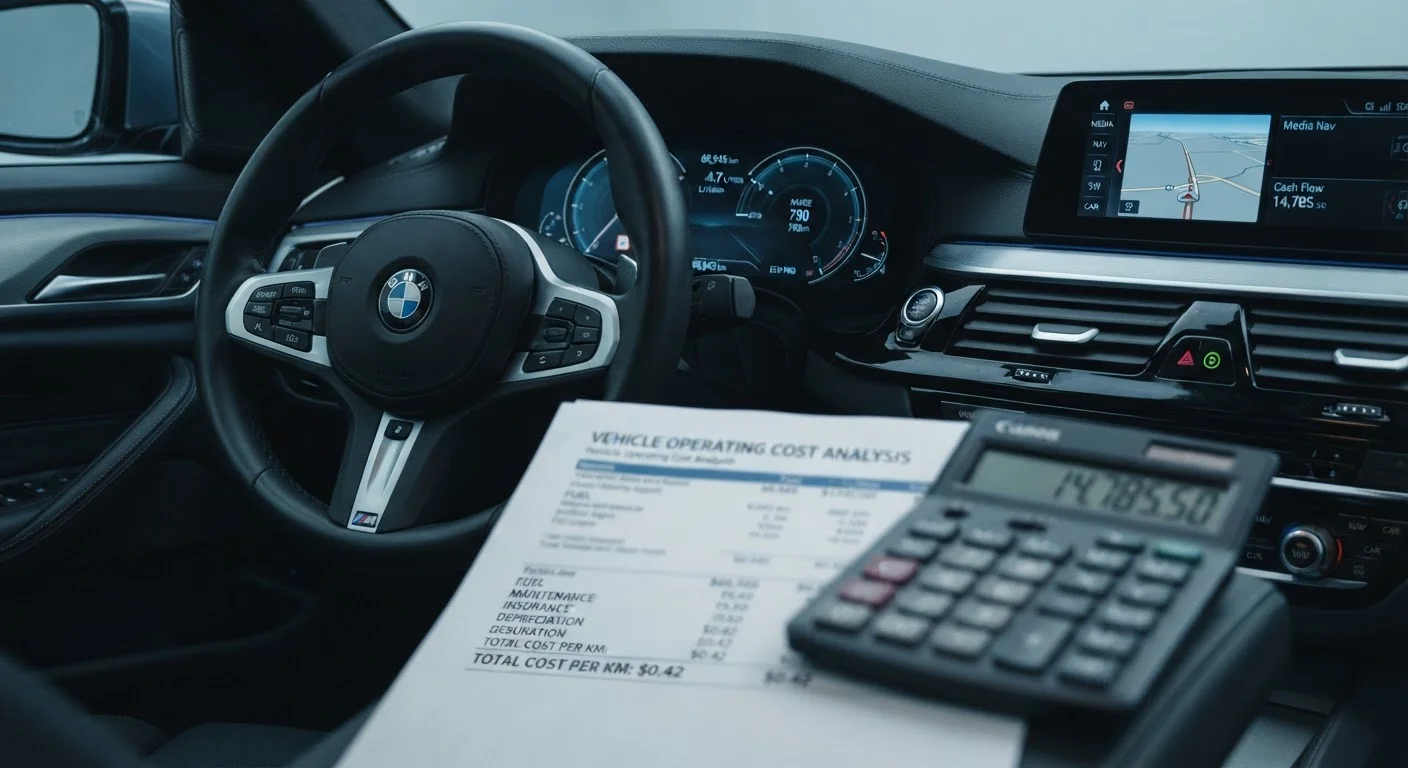
Photo: AnswersVista.com | Trustworthy Information Every Day editorial
Why Financial Vocabulary Matters for Car Owners
A vehicle is one of the largest ongoing expenses most American households carry - yet the terminology surrounding car costs is rarely explained in plain English. Dealerships, lenders, and insurance agents all use specialized language that can obscure the true financial picture. Knowing what these terms actually mean puts you in a stronger position whether you're buying, budgeting, or simply trying to understand your monthly statement.
This glossary covers the core financial concepts tied to vehicle ownership. For a broader look at maintenance vocabulary, see the Car Care A-Z glossary for everyday drivers. If you want to understand how these cost concepts connect to smarter long-term habits, keeping long-term ownership costs under control walks through practical approaches financially savvy drivers use.
Total Cost of Ownership (TCO)
The sum of all expenses associated with owning a vehicle over a defined period, including purchase price, financing, insurance, fuel, maintenance, repairs, taxes, and depreciation. TCO is the most accurate way to compare two vehicles' true costs.
Depreciation
The decline in a vehicle's market value over time. New vehicles typically depreciate most steeply in the first one to three years of ownership, representing a real financial cost even when no cash changes hands.
Annual Percentage Rate (APR)
The annualized cost of a loan, expressed as a percentage and inclusive of fees. APR provides a standardized basis for comparing financing offers from different lenders.
Residual Value
The estimated market value of a vehicle at the end of a lease term or specified period. In leasing, a higher residual value typically translates to lower monthly payments.
Gap Insurance
An optional coverage that pays the difference between an insurance payout and the remaining loan balance if a vehicle is totaled or stolen. It protects borrowers who owe more than the car's current market value.
Deductible
The fixed amount a policyholder pays out of pocket before auto insurance covers a claim. Higher deductibles generally result in lower premium costs.
Capitalized Cost
In a lease, the negotiated price of the vehicle before adjustments. Reducing the capitalized cost through negotiation lowers monthly lease payments, similar to negotiating a purchase price.
Money Factor
The financing rate used in a lease, expressed as a small decimal (e.g., 0.00125). Multiplying the money factor by 2,400 converts it to an approximate APR equivalent for easier comparison.
Equity
The portion of a vehicle's current market value that exceeds what is owed on a loan. Positive equity can be applied toward a future purchase; negative equity (being "underwater") means you owe more than the car is worth.
Registration and Title Fees
State and local government charges required to legally operate and document ownership of a vehicle. These fees vary widely by state and are a recurring annual ownership cost.
Opportunity Cost
The financial return foregone by committing money to a vehicle rather than an alternative use. Relevant when evaluating large down payments or decisions between buying and leasing.
Cost Per Mile
Total vehicle operating expenses divided by miles driven over a given period. A useful metric for comparing the efficiency of different vehicles or evaluating whether a higher-mileage lease makes financial sense.
Key Cost Metrics and What They Reveal
Several metrics are especially useful when evaluating what a vehicle truly costs over time. Understanding how they interact helps you compare options honestly rather than fixating on the monthly payment alone.
| Typical new-car depreciation (Year 1) | Approximately 15-25% of purchase price (Industry estimates; varies by make, model, and market conditions) |
| Average auto loan term (U.S.) | Around 69-72 months (Federal Reserve and consumer finance industry data) |
| Share of TCO often attributed to depreciation | Roughly 35-40% for new vehicles (General industry cost modeling; varies significantly by vehicle) |
| Common lease money factor conversion | Money factor × 2,400 ≈ APR equivalent (Standard automotive finance calculation) |
| Gap insurance applicability | Typically recommended when loan-to-value ratio exceeds 100% (Insurance industry guidance) |
Total Cost of Ownership (TCO) is the single most comprehensive metric available. It aggregates every expense category - purchase price, financing, insurance, fuel, maintenance, repairs, taxes, fees, and depreciation - across the full period you plan to own the vehicle. TCO comparisons often reveal that a lower-priced vehicle can actually cost more over five years than a pricier one with better fuel economy and reliability. For a thorough breakdown of how TCO applies beyond cars, see understanding total cost of ownership before any big purchase.
Depreciation is typically the single largest cost of ownership for new vehicles. Most new cars lose a significant portion of their value in the first few years - industry data consistently shows steep drops in the first 12 to 24 months. This is a real financial cost even if it doesn't appear on a monthly bill, because it represents wealth lost when you eventually sell or trade in the vehicle.
If you're approaching vehicle ownership for the first time and want a ground-level explanation of every cost category, Car Ownership 101 covers the full financial commitment before you buy.
Financing and Insurance Terms You'll Encounter
Most drivers finance their vehicles, which introduces a second layer of terminology on top of the vehicle's base cost. Misunderstanding even one of these terms can result in paying significantly more than anticipated.
Annual Percentage Rate (APR) is the annualized cost of borrowing, expressed as a percentage. It includes the interest rate plus any lender fees, making it more useful for comparison than the raw interest rate alone. A lower APR reduces the total amount repaid over the loan term.
Loan term refers to the repayment period, typically expressed in months (e.g., 48, 60, or 72 months). Longer terms lower the monthly payment but increase total interest paid - and can lead to being "underwater" on the loan if depreciation outpaces the payoff schedule.
Gap insurance (Guaranteed Asset Protection) covers the difference between what you owe on a loan and what your vehicle is worth if it's totaled or stolen. Without it, you could owe thousands to your lender even after an insurance payout.
Comprehensive and collision coverage are the two main optional auto insurance components that protect the vehicle itself - collision pays for damage from accidents, while comprehensive covers theft, weather, and non-collision events. Both carry a deductible, which is the out-of-pocket amount you pay before insurance applies.
For additional context on how warranty language intersects with ownership costs, warranty terms decoded explains what the fine print actually tells you. Practical maintenance guidance that directly affects your long-term costs is available through the Car Maintenance hub.
The content provided on our blog site traverses numerous categories, offering readers valuable and practical information. Readers can use the editorial team’s research and data to gain more insights into their topics of interest. However, they are requested not to treat the articles as conclusive. The website team cannot be held responsible for differences in data or inaccuracies found across other platforms. Please also note that the site might also miss out on various schemes and offers available that the readers may find more beneficial than the ones we cover.