
Keeping Long-Term Ownership Costs Under Control: What Financially Savvy Drivers Do Differently

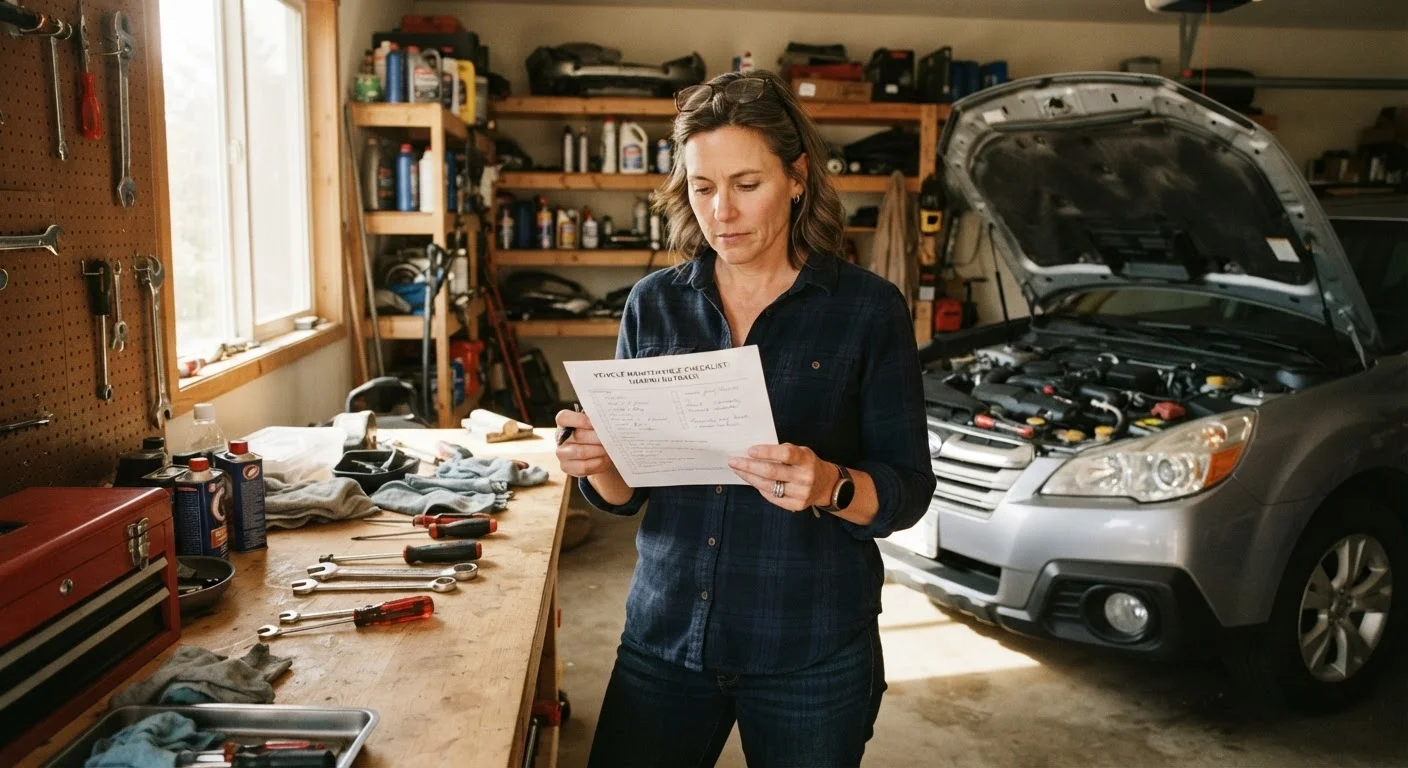
Photo: AnswersVista.com | Trustworthy Information Every Day editorial
Key Takeaways
- Following your manufacturer's maintenance schedule is one of the most effective ways to prevent costly repairs.
- Tracking all vehicle expenses reveals patterns that help you plan for future costs and avoid financial surprises.
- Reviewing your auto insurance annually can uncover meaningful savings without reducing necessary coverage.
- Driving habits directly affect fuel costs, tire wear, and brake longevity - all of which add up over time.
- Building a dedicated vehicle savings fund smooths out the financial impact of unexpected repairs.
Why Total Ownership Cost Is More Than Your Car Payment
Most drivers focus on the sticker price or monthly payment when acquiring a vehicle, but those numbers represent only a fraction of what a car actually costs over time. The true financial picture includes fuel, insurance, maintenance, tires, registration fees, and eventual repairs - what's often called the total cost of ownership (TCO). Understanding TCO is the foundation of financially smart vehicle ownership. For a deeper look at the terminology involved, see the Car Ownership Cost Glossary for definitions every driver should know.
Depreciation alone - the loss in vehicle value over time - typically accounts for the single largest ownership expense, especially in the first few years. Drivers who ignore the full cost picture often find themselves underprepared when a major repair or replacement expense arrives. The goal isn't to eliminate costs, but to anticipate and manage them so they don't derail your finances.
$12,000+
Average annual cost to own and operate a vehicle
According to AAA's annual Your Driving Costs study, average total vehicle ownership costs - including depreciation, fuel, insurance, and maintenance - exceed $12,000 per year for many American drivers.
~35%
Share of ownership costs from depreciation alone
Industry analyses consistently find that depreciation represents roughly a third or more of total ownership cost, making it the single largest expense most drivers underestimate.
Best Practices That Separate Savvy Owners from the Rest
The habits below reflect how experienced, financially disciplined drivers approach vehicle ownership differently - not through luck, but through consistency and planning.
Follow your manufacturer's maintenance schedule without exception.
Track every vehicle expense in a dedicated log or spreadsheet.
Review your auto insurance policy at least once a year.
Build and maintain a dedicated vehicle savings fund.
Get multiple estimates before authorizing major repairs.
Address small issues before they become large ones.
Start With What You Can Do Today
Long-term financial control over your vehicle doesn't require an overhaul - it starts with a handful of practical steps you can act on immediately.
Driving behavior is another often-overlooked lever. Aggressive acceleration, hard braking, and high-speed highway driving all increase fuel consumption and mechanical wear faster than most drivers realize. Our guide to habits that quietly accelerate wear on your car outlines the specific behaviors worth changing. Small adjustments behind the wheel can meaningfully extend the life of your brakes, tires, and drivetrain - reducing how often you're writing checks to the shop.
“The most expensive repair is usually the one that was preventable. Consistent, scheduled maintenance isn't a cost - it's an investment that pays back many times over.”
— Automotive industry guidance, Widely cited principle in vehicle maintenance and fleet management
Building a System That Works Over the Long Haul
The drivers who manage ownership costs most effectively treat their vehicle like a long-term financial asset rather than a recurring expense to react to. That means setting up systems - a maintenance log, a dedicated savings account for vehicle costs, calendar reminders for service intervals - rather than relying on memory or luck.
If you're in it for the long term with a higher-mileage vehicle, the stakes for consistent upkeep rise. Our article on keeping a high-mileage car reliable covers the maintenance priorities that matter most as vehicles age. And for those weighing whether to hold onto a vehicle or move on, reviewing the long-term financial trade-offs of leasing vs. buying can help put the decision in clearer perspective.
Routine maintenance is easy to put off - until it becomes an emergency repair. See the long-term payoff of staying on top of routine maintenance for an honest look at how consistent upkeep pays off over a vehicle's lifetime. And for a comprehensive framework covering every stage of ownership, the complete owner's roadmap is a useful reference to bookmark.
The content provided on our blog site traverses numerous categories, offering readers valuable and practical information. Readers can use the editorial team’s research and data to gain more insights into their topics of interest. However, they are requested not to treat the articles as conclusive. The website team cannot be held responsible for differences in data or inaccuracies found across other platforms. Please also note that the site might also miss out on various schemes and offers available that the readers may find more beneficial than the ones we cover.