
Car Ownership and Maintenance: A Complete Owner's Roadmap

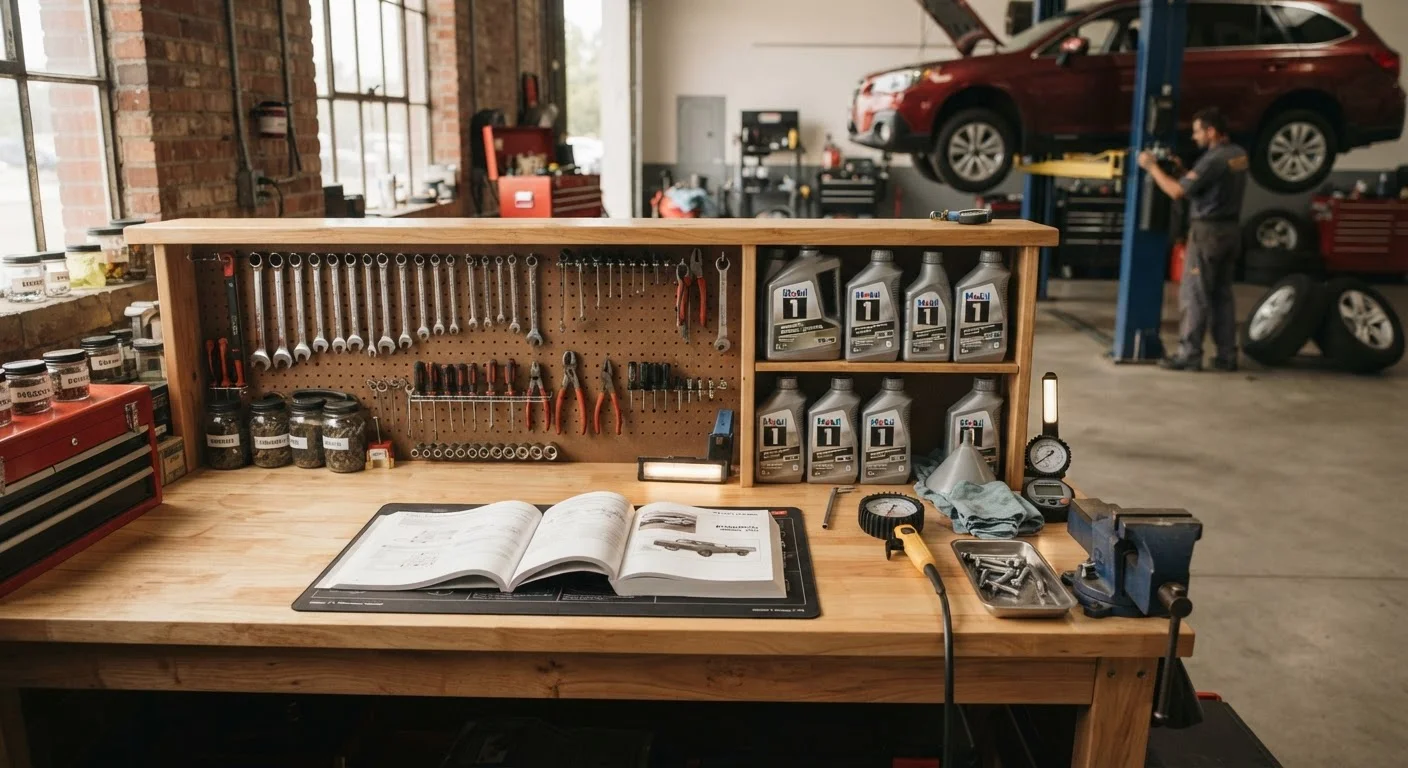
Photo: AnswersVista.com | Trustworthy Information Every Day editorial
Key Takeaways
- Following your owner's manual service schedule is the most reliable guide to what your vehicle actually needs.
- Neglecting small maintenance tasks like fluid checks and tire rotations typically leads to far more expensive repairs.
- Tires and brakes are safety-critical - inspect them regularly and never delay replacement when wear limits are reached.
- Building a maintenance fund and keeping service records reduces both surprise costs and long-term ownership expenses.
- High-mileage vehicles benefit from more frequent inspections, not fewer.
Why Routine Maintenance Pays Off
Most major vehicle breakdowns don't happen without warning - they develop slowly from neglected small tasks. Routine maintenance exists to intercept those problems before they become expensive emergencies. The American Automobile Association (AAA) has consistently reported that vehicle repair costs from preventable breakdowns run into the billions annually, with many failures traceable to missed oil changes, worn belts, or low fluids.
Think of maintenance as protecting two things at once: your safety and your investment. A well-maintained vehicle holds its value better, passes inspections more reliably, and keeps you out of unexpected repair situations. For a deeper look at how these habits translate into real dollar savings over time, see how financially savvy drivers manage long-term ownership costs.
$792
Average annual vehicle maintenance and repair cost
According to AAA's annual Your Driving Costs study, the average American driver spends roughly this amount each year on maintenance and repairs.
35%
Breakdowns linked to tire-related failures
AAA roadside assistance data indicates that tire problems - including blowouts and flats - account for a significant share of on-road emergencies each year.
10,000
Miles between oil changes (modern vehicles)
Many current vehicles using full synthetic oil are engineered to go up to 10,000 miles between oil changes, per manufacturer specifications - though driving conditions affect this.
Your Owner's Manual: The Most Underused Tool You Already Own
Your owner's manual is the authoritative source for your specific vehicle - not generic internet advice, not what worked for a neighbor's car. It contains manufacturer-specified service intervals, recommended fluid grades, tire pressure specs, and maintenance schedules that engineers designed for your exact model and engine combination.
Many drivers have never opened theirs. That's a costly oversight. The manual will tell you whether your vehicle needs oil changes every 5,000 miles or every 10,000, what grade of motor oil to use, when to replace the timing belt or chain, and which warning lights require immediate attention versus a scheduled visit.
Never rely solely on the dealership's mileage sticker for your next oil change - cross-reference it with the interval listed in your owner's manual for your specific driving conditions.
Take photos of your tires, fluid levels, and brake components each time you perform a check - it creates a timestamped visual record that helps spot gradual wear more reliably than memory alone.
If you're unfamiliar with the terms you'll encounter in the manual or at the shop, our plain-language glossary for everyday drivers explains the most common maintenance terminology in straightforward terms.
Core Maintenance Intervals Every Driver Should Know
While your manual is always the definitive reference, most vehicles share a common rhythm of maintenance needs:
- Engine oil and filter: Typically every 5,000-10,000 miles depending on oil type and driving conditions. Severe driving - frequent short trips, towing, extreme temperatures - often calls for shorter intervals.
- Cabin and engine air filters: Generally every 15,000-25,000 miles. A clogged air filter reduces fuel efficiency and engine performance.
- Coolant flush: Often every 30,000-50,000 miles, though some modern systems go longer. Coolant that degrades loses its ability to prevent corrosion and regulate temperature.
- Transmission fluid: Automatic transmissions typically need fluid changes every 30,000-60,000 miles; manual transmissions vary. Neglecting this is one of the most expensive mistakes owners make.
- Spark plugs: Conventional plugs often around 30,000 miles; iridium or platinum plugs may last 60,000-100,000 miles.
These intervals are starting points. Always confirm against your owner's manual and adjust for your real-world driving conditions.
Tires, Brakes, and Safety-Critical Systems
No maintenance category matters more directly to your safety than tires and brakes. Both degrade gradually, which makes it easy to underestimate how far they've worn.
Tires
Tire tread depth should never fall below 2/32 of an inch - the legal minimum in most states - though many safety experts recommend replacing tires at 4/32 for adequate wet-weather grip. Use the penny test as a quick check: insert a penny into a tread groove with Lincoln's head facing down; if you can see the top of his head, the tire is at or near the legal limit. Also check tire pressure monthly - underinflation increases wear, reduces fuel economy, and raises blowout risk.
Brakes
Brake pads typically last 25,000-65,000 miles depending on driving habits and pad material. Symptoms of wear include squealing, grinding, increased stopping distance, or a pulsating pedal. If you notice any of these, have your brakes inspected by a qualified mechanic promptly - do not delay. Rotors, calipers, and brake fluid condition should also be evaluated at each inspection.
Never Ignore Brake Warning Signs
Planning for Long-Term Reliability
A car becomes more demanding - not less - as it ages and accumulates miles. Proactive planning is what separates vehicles that reach 200,000 miles in solid shape from those that become money pits at 120,000.
Key habits for long-term reliability include:
- Keeping a written or digital service log - dates, mileage, and work performed. This helps identify patterns, proves maintenance history, and is valuable if you sell the vehicle.
- Scheduling a comprehensive inspection around major mileage milestones (60,000, 100,000, 150,000 miles). Have a mechanic assess belts, hoses, seals, and suspension components proactively.
- Addressing small leaks and unusual noises early. What costs $80 to fix today may cost $800 if ignored for six months.
If your vehicle already has significant miles on it, our guide to keeping a high-mileage car reliable covers the specific habits and fluid upgrades that help aging vehicles stay dependable.
Managing the Financial Side of Ownership
Ownership costs extend well beyond the car payment. Fuel, insurance, registration, maintenance, and unexpected repairs all add up - and most drivers underestimate how much they'll spend over the life of a vehicle.
A practical starting point is setting aside a dedicated monthly maintenance fund. Industry guidance commonly suggests budgeting between $50 and $150 per month depending on vehicle age, make, and mileage - though actual costs will vary. Having that reserve means a $600 brake job doesn't derail your finances.
If budget is a concern, prioritize safety-critical and engine-health tasks first. Tires, brakes, oil, and coolant protect you and prevent catastrophic failures. Other items - like cosmetic repairs or upgraded accessories - can wait. For practical strategies on this prioritization, car maintenance on a tight budget outlines how to keep your vehicle safe without overspending.
Finally, understanding the full financial picture of ownership from day one helps set realistic expectations. Car Ownership 101 breaks down every cost category new and returning buyers should account for before signing anything.
This article is for general informational purposes only. Always consult a qualified mechanic for diagnosis and repair decisions specific to your vehicle.
The content provided on our blog site traverses numerous categories, offering readers valuable and practical information. Readers can use the editorial team’s research and data to gain more insights into their topics of interest. However, they are requested not to treat the articles as conclusive. The website team cannot be held responsible for differences in data or inaccuracies found across other platforms. Please also note that the site might also miss out on various schemes and offers available that the readers may find more beneficial than the ones we cover.