
Keeping a High-Mileage Car Reliable

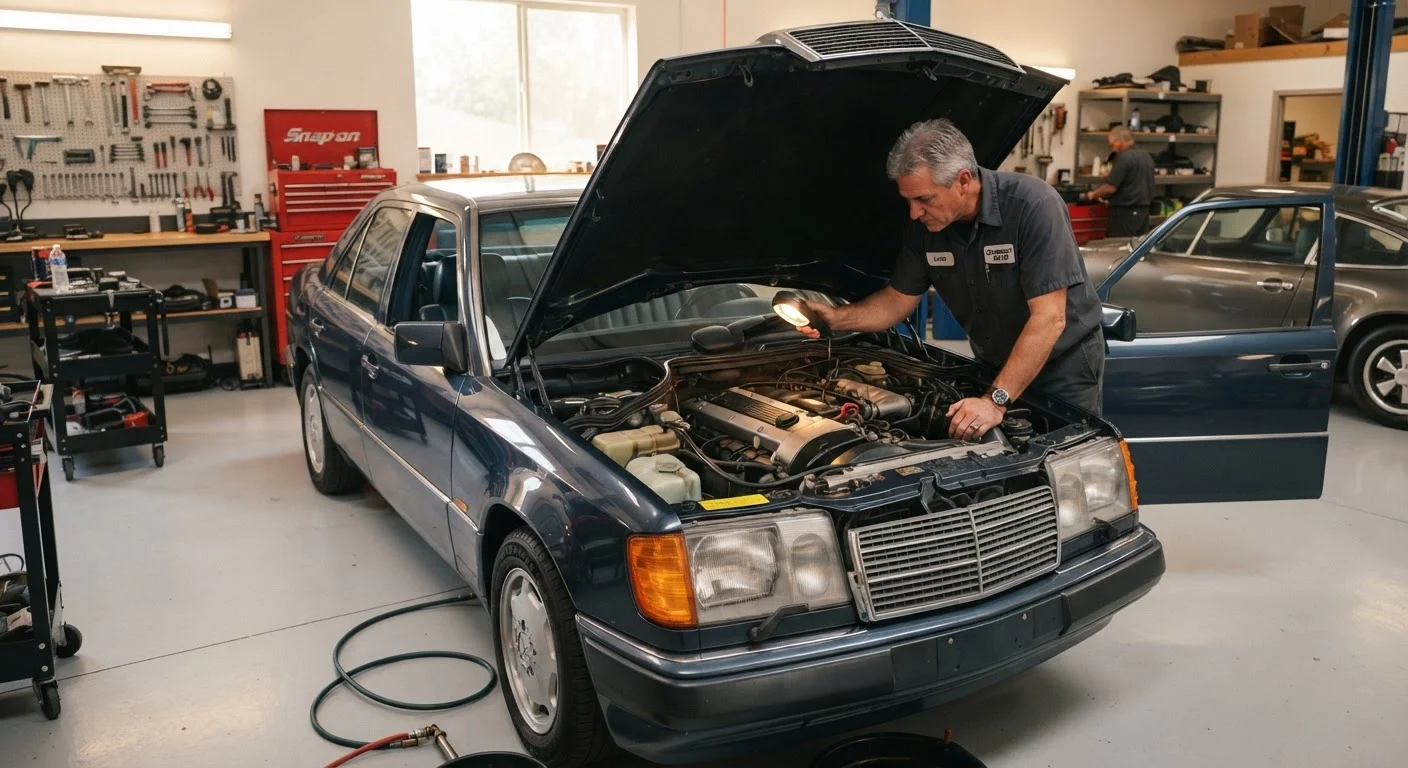
Photo: AnswersVista.com | Trustworthy Information Every Day editorial
Key Takeaways
- High-mileage vehicles need more frequent fluid and seal inspections than newer cars.
- Switching to high-mileage oil formulations can help condition aging gaskets and reduce leaks.
- Shortened inspection intervals catch minor problems before they become expensive failures.
- Addressing small issues promptly is nearly always cheaper than waiting for a breakdown.
- Cooling system health is especially critical in older engines prone to overheating damage.
Why High-Mileage Vehicles Demand a Different Approach
Once a vehicle crosses the 100,000-mile mark, the maintenance calculus changes. Engine seals lose elasticity, coolant passages accumulate deposits, and components that were once maintenance-free start requiring attention. None of this means the car is finished - millions of vehicles run reliably well past 200,000 miles - but it does mean that the standard schedule written for a new car may no longer be sufficient.
The core shift in mindset: move from reactive to proactive. On a newer vehicle, skipping one oil change rarely causes immediate harm. On a high-mileage engine, the same lapse can accelerate sludge buildup and wear on already-tight tolerances. Our guide to understanding your maintenance schedule explains how those mileage and time intervals were designed - and why aging vehicles often benefit from compressing them.
Best Practices for Long-Term High-Mileage Reliability
The following practices are grounded in what professional mechanics and manufacturers recommend for vehicles with significant accumulated mileage. Consistency matters more than any single service.
Switch to a high-mileage oil formulation at your next oil change.
Shorten your oil change interval compared to the factory recommendation.
Flush and replace coolant on the schedule your owner's manual specifies - or sooner.
Inspect rubber components - belts, hoses, and boots - at every other oil change.
Monitor tire condition and wheel alignment more frequently as mileage climbs.
Have the battery and charging system tested at least once a year.
Quick Actions You Can Take Right Now
You don't need a full service appointment to start protecting your investment today. These immediate steps address the highest-risk failure points on older vehicles.
Staying ahead of fluid condition is one of the most impactful things you can do. Our walkthrough for checking and topping off fluids shows exactly where to look under the hood and what healthy fluid looks like versus fluid that's overdue for a change.
The Financial Case for Proactive Upkeep
Older vehicles are often kept precisely because they're paid off - and that financial advantage evaporates quickly with a major repair. A neglected cooling system can lead to a blown head gasket, a repair that commonly costs more than many older cars are worth on the open market. By contrast, a thermostat replacement or coolant flush is a fraction of that cost.
$4,000+
Typical cost of a head gasket replacement
Industry repair data consistently places head gasket jobs among the most expensive engine repairs, often exceeding the market value of older vehicles.
~$150
Average cost of a coolant system flush
A routine coolant flush - the service that helps prevent head gasket and water pump failures - is a fraction of the cost of the damage it helps prevent.
The strategies financially savvy owners use apply just as much to maintenance scheduling as to insurance and financing decisions. And if budget is a real constraint, maintaining your car on a tight budget is entirely achievable with the right priorities. The long-term payoff of consistent upkeep makes the case clearly: proactive spending on maintenance reliably beats reactive spending on repairs.
“The cheapest repair is always the one you prevent. On a high-mileage vehicle, that means staying ahead of the fluids and the rubber - those are where aging cars tell you what they need next.”
— Automotive Editorial Team, Editorial assessment based on widely cited mechanic guidance
The content provided on our blog site traverses numerous categories, offering readers valuable and practical information. Readers can use the editorial team’s research and data to gain more insights into their topics of interest. However, they are requested not to treat the articles as conclusive. The website team cannot be held responsible for differences in data or inaccuracies found across other platforms. Please also note that the site might also miss out on various schemes and offers available that the readers may find more beneficial than the ones we cover.