
Car Maintenance on a Tight Budget

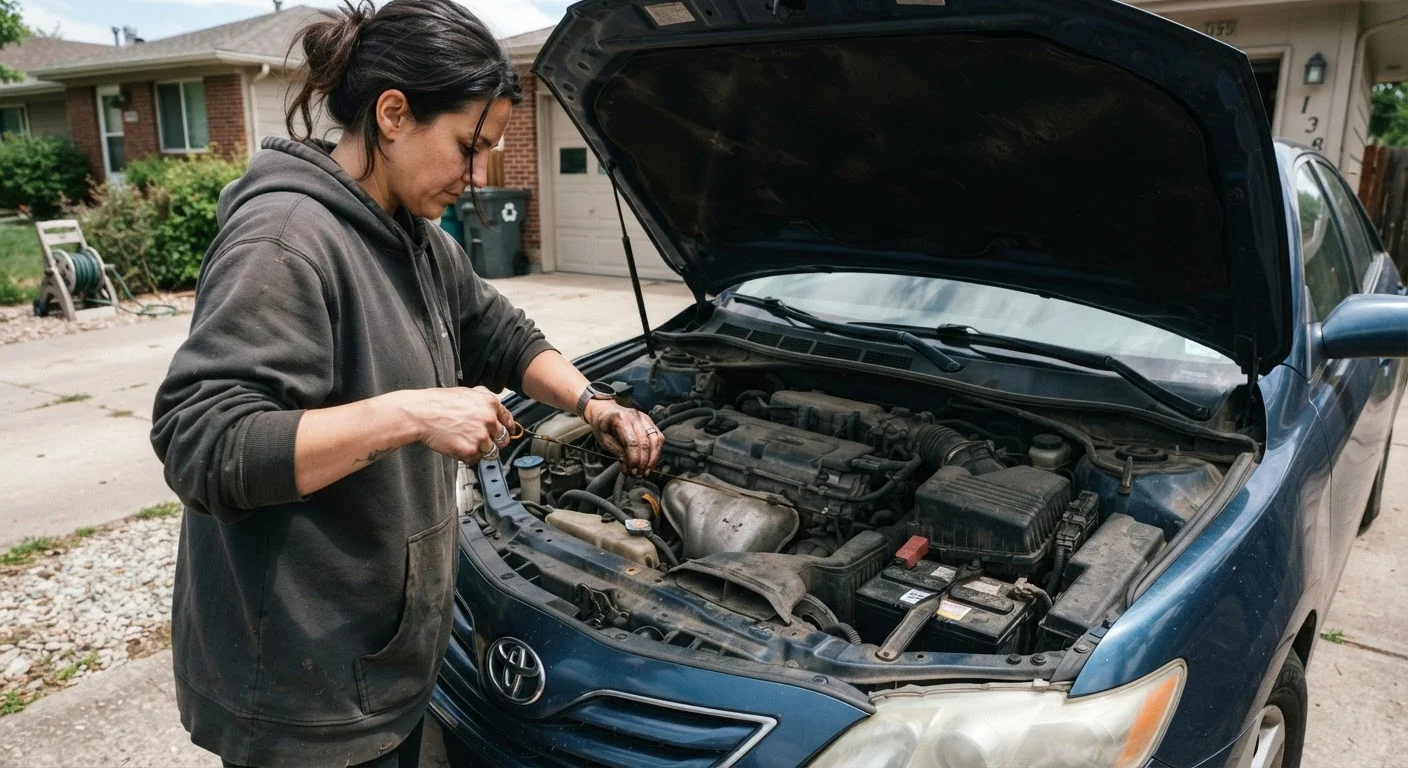
Photo: AnswersVista.com | Trustworthy Information Every Day editorial
Key Takeaways
- Your owner's manual is the most reliable - and free - maintenance guide you already own.
- Skipping routine services typically leads to far more expensive repairs down the road.
- Several high-impact maintenance tasks can be done at home with minimal tools or cost.
- Comparing shop estimates before committing can meaningfully reduce your out-of-pocket costs.
- Tire pressure and fluid checks take minutes and protect some of your vehicle's most critical systems.
Maintenance Isn't Optional - But It Can Be Affordable
For many drivers, vehicle maintenance feels like a luxury that competes with rent, groceries, and other pressing bills. But the reality is that skipping routine upkeep almost always costs more in the long run. A neglected oil change that leads to engine sludge, or worn brake pads that destroy rotors, can turn a $40 service into a $1,000 repair. As explored in The Hidden Financial Cost of Skipping Routine Maintenance, the savings from deferring service are rarely real.
The good news: keeping your car roadworthy on a tight budget is genuinely possible with the right priorities and a bit of planning. The strategies below focus on protecting your safety and your wallet - in that order.
Start with your owner's manual
Your vehicle's owner's manual contains the manufacturer-recommended maintenance schedule - oil change intervals, fluid types, tire rotation frequency, and more. It's the most accurate and free resource available to you, and following it prevents over-servicing (paying for things you don't need yet) and under-servicing (missing critical intervals). Many drivers have never opened it. Your Car's Maintenance Schedule, Explained breaks down what each mileage milestone actually means in plain language.
Your owner's manual is the only maintenance guide written specifically for your exact vehicle.
Handle the easy checks yourself
Tire pressure, engine oil level, coolant, windshield washer fluid, and battery terminal condition are all things you can inspect at home in under 10 minutes - no mechanical expertise required. Catching a slow tire leak or low coolant before it becomes a roadside emergency saves both money and stress. For a walkthrough on fluid locations and what to look for, see Checking and Topping Off Your Car's Fluids. Tire pressure basics are covered in Tire Pressure and Tread Depth: The Numbers Every Driver Should Know.
A $1 tire gauge and five minutes can prevent a blowout - and a tow bill.
Prioritize safety-critical systems above all else
When money is tight, it's tempting to delay everything. But brakes, tires, and steering components are non-negotiable - their failure puts you and others at risk, and the repair costs for deferred brake work escalate quickly. Worn brake pads that damage rotors can triple the original service cost. Why Brake Maintenance Gets Delayed - and What That Delay Costs explains the real financial and safety consequences of waiting. If you must delay something, defer cosmetic or comfort items - not safety systems.
Brakes and tires are never the right place to cut corners - the cost of failure is too high.
Get multiple estimates for bigger repairs
Labor rates and parts markups vary significantly between dealerships, independent shops, and specialty garages. For any repair over $150-$200, it's worth calling two or three shops for quotes on the same job. Describe the issue clearly, mention the year, make, model, and mileage, and ask for a written estimate. Independent mechanics often charge lower labor rates than dealerships without sacrificing quality, particularly for routine services. Understanding basic repair terminology before you call helps you compare estimates accurately - Car Care A-Z: A Quick-Reference Glossary for Everyday Drivers is a useful reference.
A few phone calls can save you hundreds on the same repair job at different shops.
Consider DIY for low-risk maintenance tasks
Some routine jobs - air filter replacement, wiper blade swaps, cabin filter changes - require no special tools and carry minimal risk if done carefully, with proper guidance. Others, like oil changes, are manageable for mechanically confident drivers but involve disposal of used oil and working under a vehicle, which carries real safety considerations. DIY Oil Changes vs. Taking It to a Shop lays out the honest trade-offs. Always research your specific vehicle before attempting any DIY task, and know when to hand the job to a qualified mechanic.
Air filters and wiper blades are straightforward DIY wins that cost a fraction of shop prices.
Avoid driving habits that accelerate wear
How you drive directly affects how quickly components wear out. Hard braking, aggressive acceleration, riding the clutch, and ignoring warning lights all shorten the life of expensive parts. These habits are free to change and can meaningfully extend service intervals. Habits That Quietly Accelerate Wear on Your Car covers specific behaviors to avoid. Smoother driving also improves fuel economy, which adds up to real savings over time.
Changing how you drive costs nothing and can extend the life of brakes, tires, and your transmission.
Putting It All Together
Budget-conscious maintenance isn't about doing less - it's about doing the right things at the right time. Consistent small investments in your vehicle protect you from the large, unpredictable bills that derail a tight budget far more severely. For a broader view of how these habits compound over time, see The Long-Term Payoff of Staying on Top of Routine Maintenance.
If you're unsure where to start, your owner's manual and a trusted mechanic are your two most valuable resources. And if navigating the shop feels intimidating, Talking to a Mechanic: What to Say, Ask, and Watch Out For can help you ask the right questions and evaluate estimates with confidence.
Build a small maintenance fund
The content provided on our blog site traverses numerous categories, offering readers valuable and practical information. Readers can use the editorial team’s research and data to gain more insights into their topics of interest. However, they are requested not to treat the articles as conclusive. The website team cannot be held responsible for differences in data or inaccuracies found across other platforms. Please also note that the site might also miss out on various schemes and offers available that the readers may find more beneficial than the ones we cover.