
The Hidden Financial Cost of Skipping Routine Maintenance

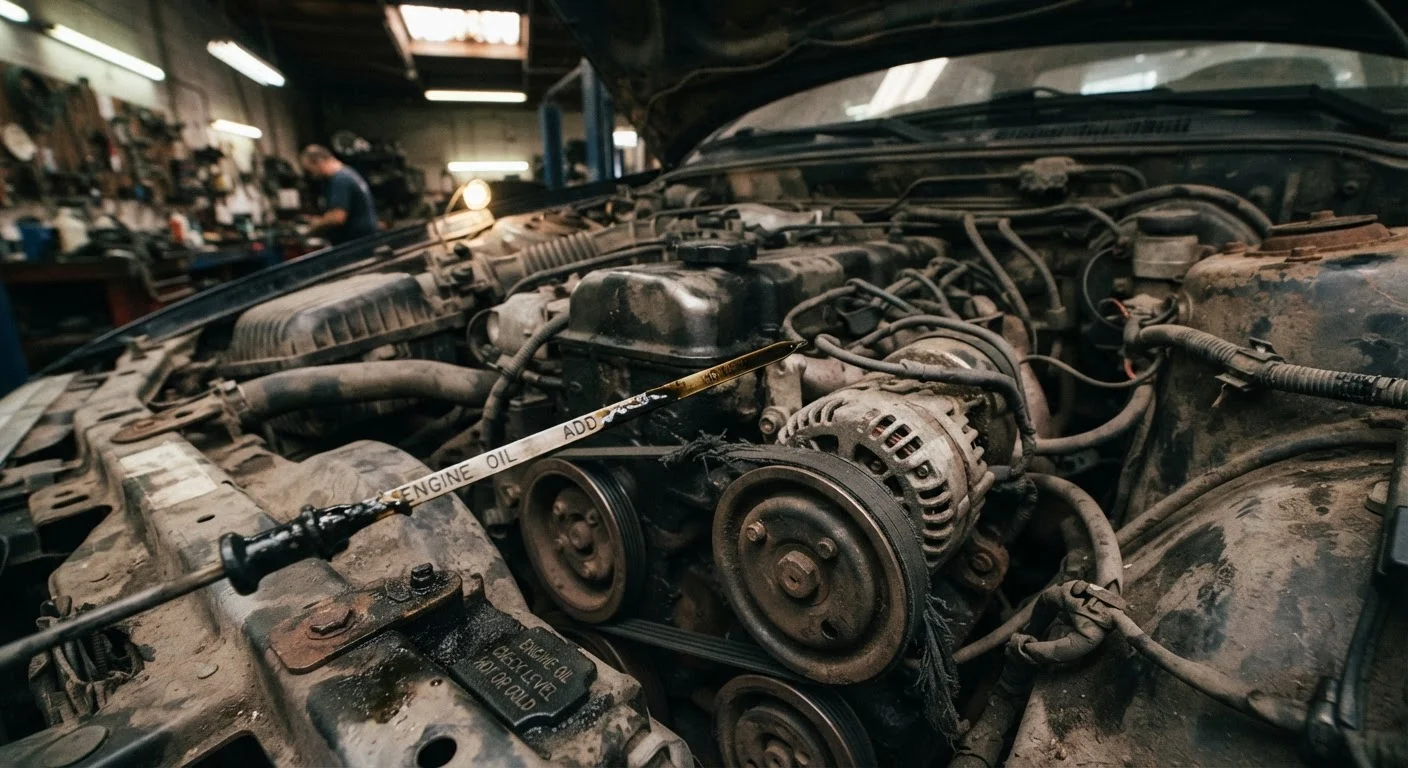
Photo: AnswersVista.com | Trustworthy Information Every Day editorial
Key Takeaways
- Skipping routine maintenance consistently leads to repair bills that dwarf the original service cost.
- Oil changes, tire rotations, and fluid checks are the highest-leverage, lowest-cost interventions available.
- Neglected maintenance can void manufacturer warranties and reduce resale value significantly.
- Most deferred maintenance mistakes stem from short-term thinking rather than a true lack of funds.
Why Skipping Maintenance Feels Reasonable - Until It Isn't
It's easy to justify skipping an oil change when your car is running fine and your budget is tight. The logic seems sound: if nothing is broken, why spend the money? The problem is that engines, transmissions, and braking systems don't send invoices the moment you neglect them - they accumulate damage quietly, then present the bill all at once.
Understanding where that bill comes from is the first step to avoiding it. The car maintenance decisions you make today directly shape the repair costs you face in one, three, or five years. This article breaks down the most common maintenance mistakes American drivers make, why they happen, and what they actually cost.
Skipping oil changes because the car seems to be running fine.
Ignoring tire rotation and pressure checks until a tire fails.
Delaying brake service until metal-on-metal grinding begins.
Neglecting coolant, transmission fluid, and other fluid checks.
Treating the check engine light as background noise.
The Real Numbers Behind Deferred Maintenance
The financial gap between routine upkeep and reactive repair is substantial. An oil change typically costs between $35 and $100 depending on oil type and service center - a cost that, when skipped repeatedly, can lead to engine sludge buildup and, eventually, engine failure. Replacing a seized engine can run $4,000 to $10,000 or more, according to industry repair cost data.
$4,000-$10,000+
Typical engine replacement cost from oil neglect
Industry repair data consistently shows engine failure from sludge buildup - preventable with routine oil changes - falls in this range before labor.
Up to 40%
Fuel economy loss from a failing oxygen sensor
According to the U.S. Department of Energy, a malfunctioning oxygen sensor - often flagged by a check engine light - can reduce fuel economy by as much as 40%.
Tire neglect follows a similar pattern. Rotating tires every 5,000 to 7,500 miles typically costs $20 to $50 and extends tire life significantly. Skipping rotations causes uneven tread wear, leading to early tire replacement - sets of four tires often run $400 to $1,200 before installation. And that's before factoring in alignment damage that uneven wear can cause to suspension components.
For drivers trying to manage vehicle expenses month to month, recurring ownership costs like these are often underestimated in household budgets. The long-term payoff of consistent maintenance is well-documented - but only for drivers who stay on schedule.
Deferred Maintenance Can Void Your Warranty
Financially savvy drivers treat maintenance as a fixed monthly cost rather than an optional expense. If you're looking to build that kind of discipline into a broader financial plan, the principles covered in long-term ownership cost management apply directly here.
The content provided on our blog site traverses numerous categories, offering readers valuable and practical information. Readers can use the editorial team’s research and data to gain more insights into their topics of interest. However, they are requested not to treat the articles as conclusive. The website team cannot be held responsible for differences in data or inaccuracies found across other platforms. Please also note that the site might also miss out on various schemes and offers available that the readers may find more beneficial than the ones we cover.