
Talking to a Mechanic: What to Say, Ask, and Watch Out For

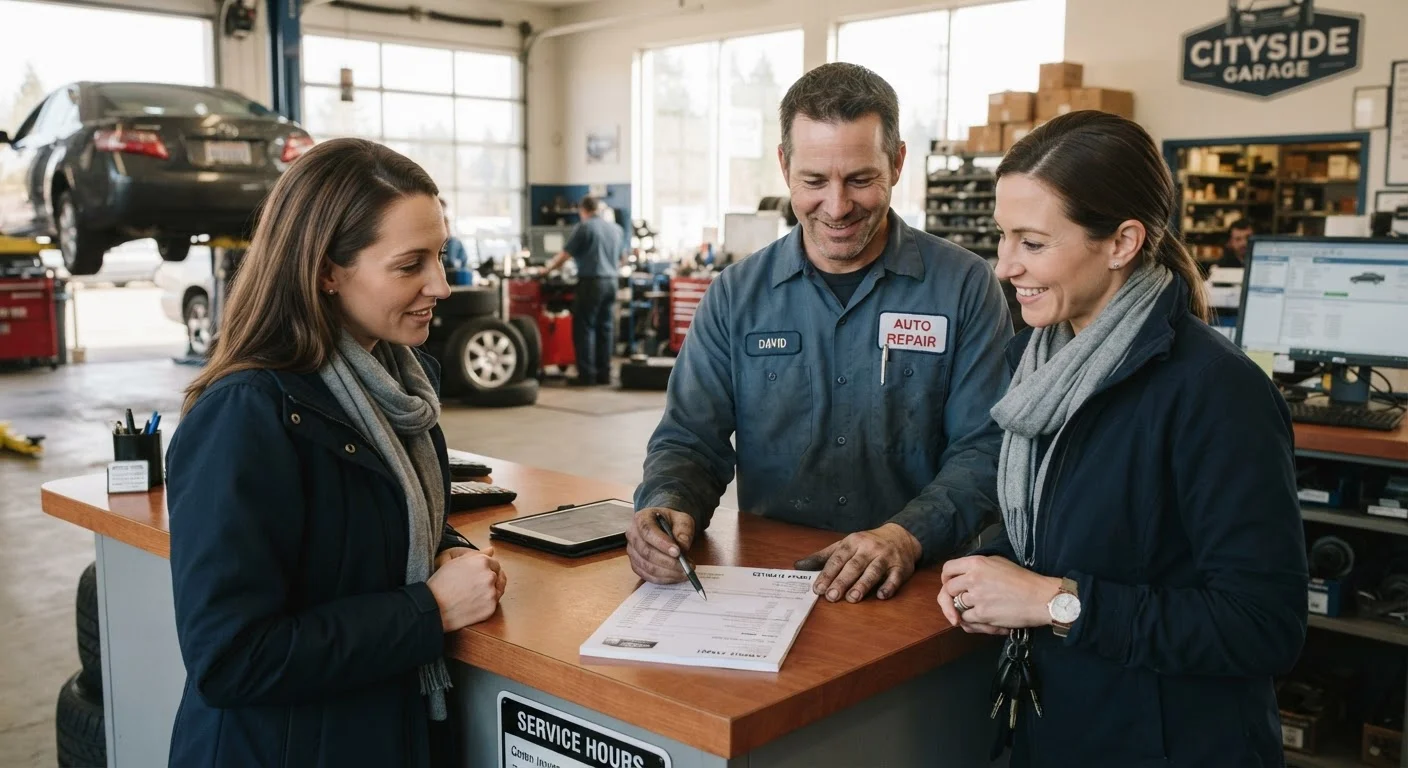
Photo: AnswersVista.com | Trustworthy Information Every Day editorial
Key Takeaways
- Describing symptoms clearly and specifically helps mechanics diagnose problems faster and more accurately.
- Always request a written estimate before authorizing any repair work.
- Asking for replaced parts back is a legitimate way to verify that work was actually performed.
- Understanding a few key terms - like "diagnosis fee" and "OEM vs. aftermarket" - protects your wallet.
- A trustworthy shop welcomes questions and explains findings without pressure tactics.
Start With What You Notice, Not What You Think Is Wrong
Walking into a repair shop already convinced of the diagnosis can actually slow things down. Mechanics are trained to trace problems to their source, and the most useful thing you can give them is an accurate account of what your vehicle is doing.
Before your appointment, think through these questions: When does the issue happen - only when the engine is cold, or after it warms up? Is it constant or intermittent? Does it get worse under certain conditions, like braking, accelerating, or turning? Has anything changed recently - new fuel, a long road trip, a minor fender bump?
Writing this down and sharing it at drop-off sets the mechanic up to work efficiently. It also creates a paper trail of what you reported, which matters if questions arise later. For a broader understanding of what technicians evaluate when they look over your vehicle, see what your mechanic sees that you don't.
The Questions That Protect You
Most drivers feel uncomfortable asking questions at a shop, worried they'll seem uninformed or slow the process. In reality, good shops expect and welcome them. These are the questions worth asking every time:
Describe symptoms in plain language before using mechanical terms.
Request a written estimate with line-item part and labor costs before authorizing work.
Ask what happens if you decline a recommended repair.
Ask for your old parts back when parts are replaced.
Clarify whether parts are OEM, aftermarket, or remanufactured - and what warranty applies.
Get a second opinion for repairs estimated above a few hundred dollars.
Diagnosis Fees Are Normal
Understanding the vocabulary on a repair order doesn't require a mechanical background. If an estimate includes a term you don't recognize, it's reasonable to ask for a plain-language explanation - or look it up in a resource like the Car Care A-Z glossary for everyday drivers before signing anything.
How to Evaluate an Estimate
A written estimate should break out parts costs and labor costs separately. Labor is typically billed by the hour, and shops reference standard time guides to set those hours - so a job that takes a technician 45 minutes might still be billed at a full hour based on the industry guide rate. That's normal, but it's worth understanding.
Look for these specifics on any estimate:
- Part number and description - confirms exactly what's being installed
- Labor hours and rate - lets you spot if something seems unusually high
- Warranty terms - how long are parts and labor covered?
- Authorization signature line - you should sign before work begins, not after
Keeping vehicle expenses in view is part of responsible ownership. If managing repair costs is a concern, our guide on car maintenance on a tight budget offers practical strategies for prioritizing without cutting corners on safety.
Red Flags and What They Mean
Most mechanics are professionals doing honest work. But like any industry, it helps to know what warning signs look like. None of the following automatically means wrongdoing - they're prompts to ask more questions.
- Pressure to decide immediately - legitimate safety issues do exist, but a reputable shop will explain the risk clearly rather than demand an instant decision.
- Vague or verbal-only estimates - if a shop won't put the scope of work in writing, that's a reason to pause.
- New problems discovered after every visit - occasional additional findings are normal; a pattern of escalating repairs on a recently serviced vehicle warrants scrutiny.
- Resistance to returning old parts - shops that can't or won't return replaced components without a clear explanation deserve a follow-up question.
If you're ever uncertain about the true cost of a repair relative to your vehicle's value and your overall ownership costs, reviewing a resource like a vehicle cost checklist can help put repair decisions in broader financial context.
“The customer who asks the most questions is usually the one who ends up with the best outcome. A clear description of the problem is worth more than any dashboard warning light.”
— Automotive Service Excellence (ASE), National certification body for automotive technicians
The content provided on our blog site traverses numerous categories, offering readers valuable and practical information. Readers can use the editorial team’s research and data to gain more insights into their topics of interest. However, they are requested not to treat the articles as conclusive. The website team cannot be held responsible for differences in data or inaccuracies found across other platforms. Please also note that the site might also miss out on various schemes and offers available that the readers may find more beneficial than the ones we cover.