
Movement Myths That Keep People Out of the Gym

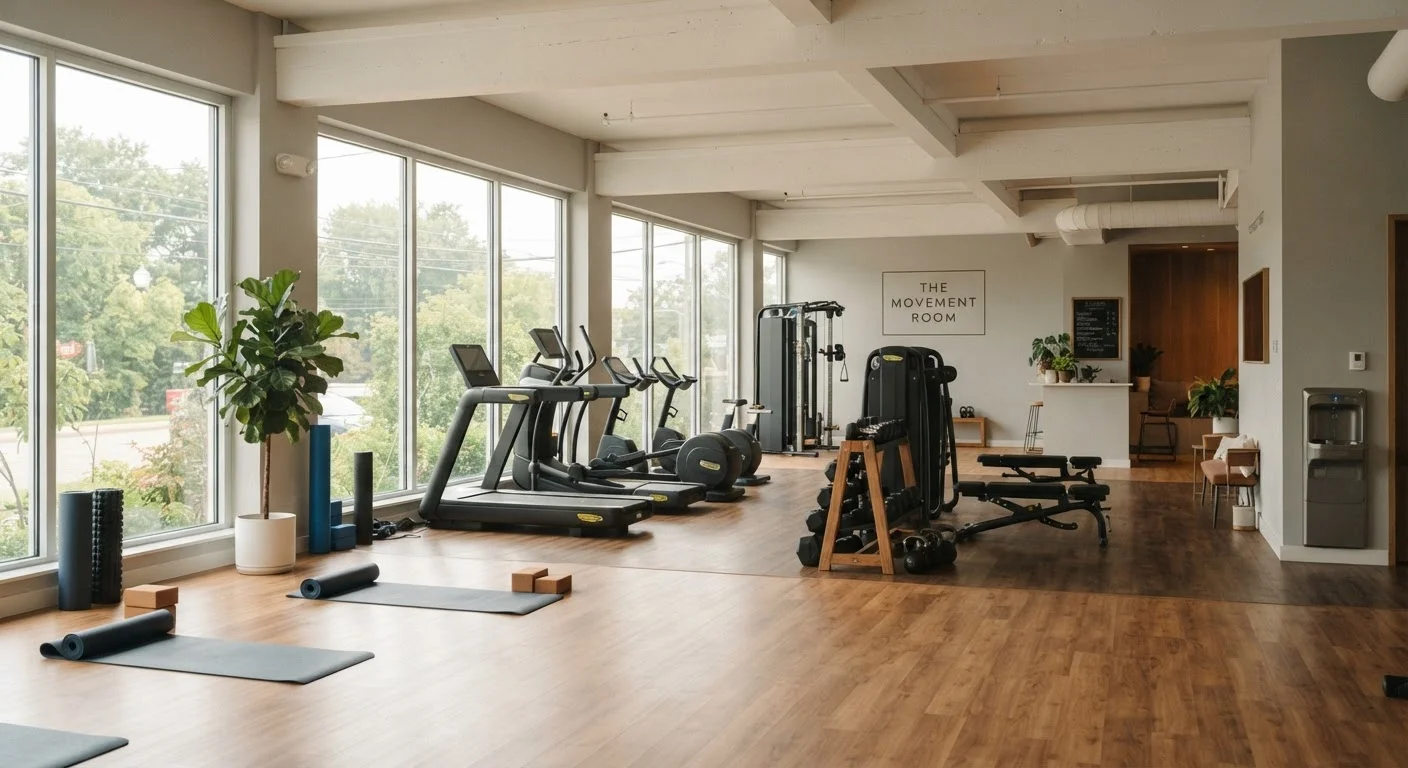
Photo: AnswersVista.com | Trustworthy Information Every Day editorial
Key Takeaways
- You do not need to feel pain during exercise for it to be effective or beneficial.
- Strength training is safe and highly beneficial for older adults when done appropriately.
- Cardio is not the only or most efficient way to support fat loss and metabolic health.
- Short exercise sessions still deliver meaningful health benefits - consistency matters more than duration.
- Spot-reducing fat in specific body areas through targeted exercises is not supported by evidence.
Why Fitness Myths Are So Persistent
Exercise misinformation spreads easily because it often contains a kernel of truth, gets repeated by authority figures, or simply confirms what people already fear. The result: millions of Americans delay or abandon physical activity based on beliefs that don't hold up to scrutiny.
Misconceptions about movement aren't just harmless - they're a genuine barrier. If someone believes that a 20-minute walk doesn't count, or that working out without soreness means they're wasting their time, they're far less likely to stay consistent. The evidence tells a very different story.
Myth-busting here isn't about judging anyone's past choices. It's about removing the mental obstacles that keep real people from moving more - and feeling better for it. Similar myth-driven paralysis shows up in other areas of life too; see how false beliefs affect financial behavior in our piece on money myths that derail debt payoff.
Myth
No pain, no gain - if it doesn't hurt, the workout isn't working.
Fact
Discomfort from exertion is normal; sharp pain is a warning sign, not a progress indicator.
The phrase has been misread as a prescription for pain. Exercise science distinguishes between the mild burn of muscle fatigue - which is a normal sign of effort - and actual pain, which can signal injury. Working through genuine pain risks harm. Effective workouts consistently performed at moderate-to-vigorous intensity produce significant health and fitness benefits without requiring suffering. The American College of Sports Medicine does not recommend pain as a benchmark for workout quality.
Myth
Strength training will make you bulk up and look too muscular.
Fact
Building significant muscle mass requires specific, sustained effort - casual resistance training produces tone and strength, not bulk.
Significant hypertrophy (muscle growth that produces a noticeably larger physique) depends on genetic factors, caloric surplus, and specialized, high-volume training programs. For the average person doing two or three resistance sessions per week, the outcome is improved muscle tone, functional strength, better bone density, and a healthier metabolism. This concern disproportionately deters women from strength training - a category of people who stand to gain particularly strong health benefits from it.
Myth
Cardio is the best - and really the only - way to burn fat.
Fact
Resistance training, daily movement, sleep, and diet all play significant roles in body composition; cardio alone is not uniquely superior.
Aerobic exercise does burn calories during activity, but resistance training increases resting metabolic rate over time by building lean muscle tissue. Research published in sports medicine literature shows that combining resistance and aerobic training typically produces better body composition results than either alone. Total daily movement - including steps taken, standing, and light activity - also contributes meaningfully. Fat loss is a whole-lifestyle outcome, not a cardio-only equation.
Myth
If you're not sore after a workout, you didn't work hard enough.
Fact
Delayed onset muscle soreness (DOMS) is one possible response to novel exercise stress - its absence doesn't mean the session was ineffective.
DOMS typically appears 24-48 hours after exercise and is caused by microscopic stress on muscle fibers. It's common when starting a new program or significantly increasing intensity. But as the body adapts, soreness often diminishes - even as fitness continues to improve. An experienced runner rarely feels sore after a standard training run, yet their cardiovascular system is still being conditioned. Soreness is a side effect, not a performance metric.
Myth
You can target fat loss in specific body areas through focused exercises.
Fact
Spot reduction of fat - losing fat from a chosen body part by exercising it - is not supported by evidence.
Doing hundreds of abdominal exercises will strengthen the core muscles, but it will not preferentially burn fat stored in that area. Fat mobilization occurs throughout the body in response to overall energy expenditure and hormonal signals, not locally in response to which muscles are contracting. Studies examining this question - including those looking at arm fat in tennis players who use one arm far more than the other - consistently find no significant difference in fat distribution at the exercised site.
Myth
Older adults should avoid strength training because it's too risky.
Fact
Resistance training is recommended for older adults by major health organizations and is linked to reduced falls, improved bone density, and better functional independence.
The risk calculation is actually the reverse of this myth. Age-related muscle loss (sarcopenia) and bone density reduction are significant health risks - and both respond positively to regular resistance exercise. Organizations including the CDC and the World Health Organization recommend muscle-strengthening activities for adults of all ages. The key is appropriate load, proper technique, and progression - which is also true for younger exercisers. Individuals with specific health conditions should consult a healthcare professional before starting any new program.
What the Evidence Actually Supports
Once these myths are cleared away, a much more accessible picture of exercise emerges. Physical activity doesn't have to be punishing, marathon-length, or gym-based to deliver real health returns. Research consistently shows that moderate, consistent movement - including activities as simple as daily walking - improves cardiovascular health, mood, blood pressure, and longevity.
150 min
Weekly moderate activity recommended for adults
The CDC and WHO both recommend at least 150 minutes of moderate-intensity aerobic activity per week for substantial health benefits.
~30%
Reduction in all-cause mortality risk with regular activity
Research published in leading epidemiological journals links regular moderate physical activity to roughly a 30% lower risk of all-cause mortality compared to inactivity.
2x/week
Minimum muscle-strengthening sessions recommended
Major health guidelines recommend muscle-strengthening activities on at least two days per week for adults, in addition to aerobic activity.
If you're weighing your options for where and how to exercise, our honest comparison of home workouts and gym memberships can help you find what fits your life. And if you're curious how far a simple daily walk can take you, the research explored in walking for fitness may surprise you.
Exercise Guidance Is Not One-Size-Fits-All
This article is for general informational and educational purposes only and does not constitute medical advice. Always consult a qualified healthcare professional before beginning or changing any exercise program, particularly if you have existing health conditions.
The content provided on our blog site traverses numerous categories, offering readers valuable and practical information. Readers can use the editorial team’s research and data to gain more insights into their topics of interest. However, they are requested not to treat the articles as conclusive. The website team cannot be held responsible for differences in data or inaccuracies found across other platforms. Please also note that the site might also miss out on various schemes and offers available that the readers may find more beneficial than the ones we cover.