
Why Americans Are Sleeping Less-and What That Shift Means

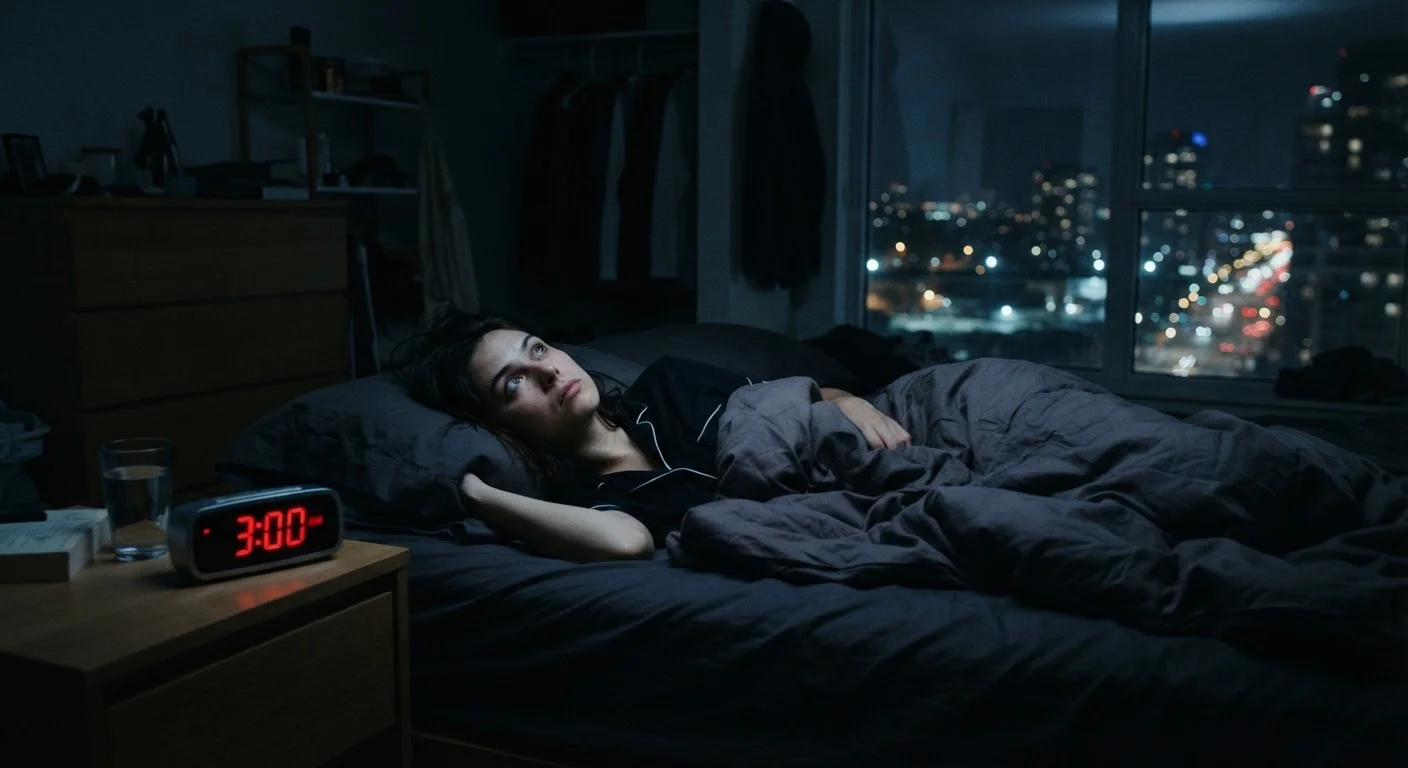
Photo: AnswersVista.com | Trustworthy Information Every Day editorial
Key Takeaways
- Roughly one in three U.S. adults regularly sleeps fewer than seven hours per night.
- Work schedules, screen time, and financial stress are among the most commonly cited structural drivers.
- Sleep insufficiency is not evenly distributed - race, income, and geography all shape who is most affected.
- Chronic short sleep is associated with a wide range of physical and mental health concerns.
- Cultural attitudes that treat lost sleep as a productivity badge may reinforce the problem.
The Data Behind the Decline
According to the CDC, about 35% of U.S. adults regularly get fewer than seven hours of sleep per night - a figure that has drawn sustained attention from public health researchers. While self-reported sleep data carry limitations, the consistency of findings across multiple national surveys points to a real and meaningful pattern.
Average sleep duration in the United States appears to have fallen gradually over the past several decades, tracking alongside major shifts in how Americans work, consume media, and structure daily life. The decline is not dramatic from year to year, but its accumulation over time has measurable consequences at the population level.
~35%
U.S. adults sleeping under 7 hours nightly
According to CDC data from the Behavioral Risk Factor Surveillance System, roughly one in three American adults regularly falls short of recommended sleep duration.
1 in 3
Adults affected by sleep insufficiency
The CDC has described insufficient sleep as a public health epidemic, noting its links to chronic disease, injury, and reduced quality of life.
7-9 hrs
Recommended nightly sleep for adults
The American Academy of Sleep Medicine and the Sleep Research Society recommend that adults aged 18-60 sleep at least seven hours per night for optimal health.
Structural Forces Reshaping American Sleep
Individual habit often gets the most attention in discussions about sleep, but structural factors play an equally significant role. Consider the following:
- Work schedules and commute times: Non-standard hours - including evening, overnight, and rotating shifts - are common in sectors like healthcare, logistics, and retail. Long commutes further compress the hours available for rest.
- Economic pressure: Americans working multiple jobs or facing financial insecurity report higher rates of sleep insufficiency. Economic stress itself can activate physiological arousal that makes sleep harder to initiate or maintain.
- Technology and screen exposure: The proliferation of smartphones, streaming services, and social media has extended the waking day well into hours previously reserved for sleep. Light from screens can interfere with the body's natural sleep-wake signaling.
- Always-on work culture: Email access and remote work blurring professional and personal hours have eroded what were once natural stopping points in the workday.
For a deeper look at the daily routines that affect rest quality, see our guide to sleep hygiene.
Who Bears the Greatest Burden
Sleep loss is not experienced equally across the population. National data consistently show that certain groups face a disproportionate share of sleep insufficiency:
- Non-Hispanic Black adults report short sleep at higher rates than other racial groups, a disparity researchers link to neighborhood noise, occupational exposure, and chronic stress from systemic disadvantage.
- Adults in lower-income brackets are more likely to work overnight or multiple jobs, reducing both sleep duration and consistency.
- People living in urban environments face greater noise and light pollution, both of which can disrupt sleep architecture.
Understanding sleep as a health equity issue - not merely a personal discipline problem - is important context for any public conversation about the trend.
“Sleep is not a luxury. It is a biological necessity, and the evidence is clear that cutting it short has real consequences for physical health, mental health, and safety.”
— Matthew Walker, Professor of Neuroscience and Psychology, University of California, Berkeley; author on sleep science
Culture, Productivity, and the Stigma of Rest
One underappreciated driver of declining sleep is cultural: in many American professional and social environments, sleeping less has been treated as a signal of dedication, ambition, or toughness. Phrases like "I'll sleep when I'm dead" reflect a deeply embedded norm that positions rest as a luxury or weakness rather than a biological necessity.
This framing can create a self-reinforcing cycle. When sleep loss is normalized or even celebrated, people are less likely to protect their sleep hours - and more likely to interpret fatigue as something to push through rather than address. Public health communicators have increasingly pushed back on this narrative, emphasizing that sleep is a foundational pillar of health alongside nutrition and physical activity.
It is worth noting that the same behavioral patterns driving sleep loss - chronic busyness, financial stress, inadequate planning for long-term well-being - also show up in other areas of American life. Research into why Americans reach retirement underprepared reveals similar dynamics: short-term pressures consistently crowd out long-term health and security.
This article is for general informational and educational purposes only and does not constitute medical advice. If you have concerns about your sleep or overall health, please consult a qualified healthcare professional.
Frequently Asked Questions
The content provided on our blog site traverses numerous categories, offering readers valuable and practical information. Readers can use the editorial team’s research and data to gain more insights into their topics of interest. However, they are requested not to treat the articles as conclusive. The website team cannot be held responsible for differences in data or inaccuracies found across other platforms. Please also note that the site might also miss out on various schemes and offers available that the readers may find more beneficial than the ones we cover.