
Sleep Hygiene: The Habits That Shape How Well You Rest

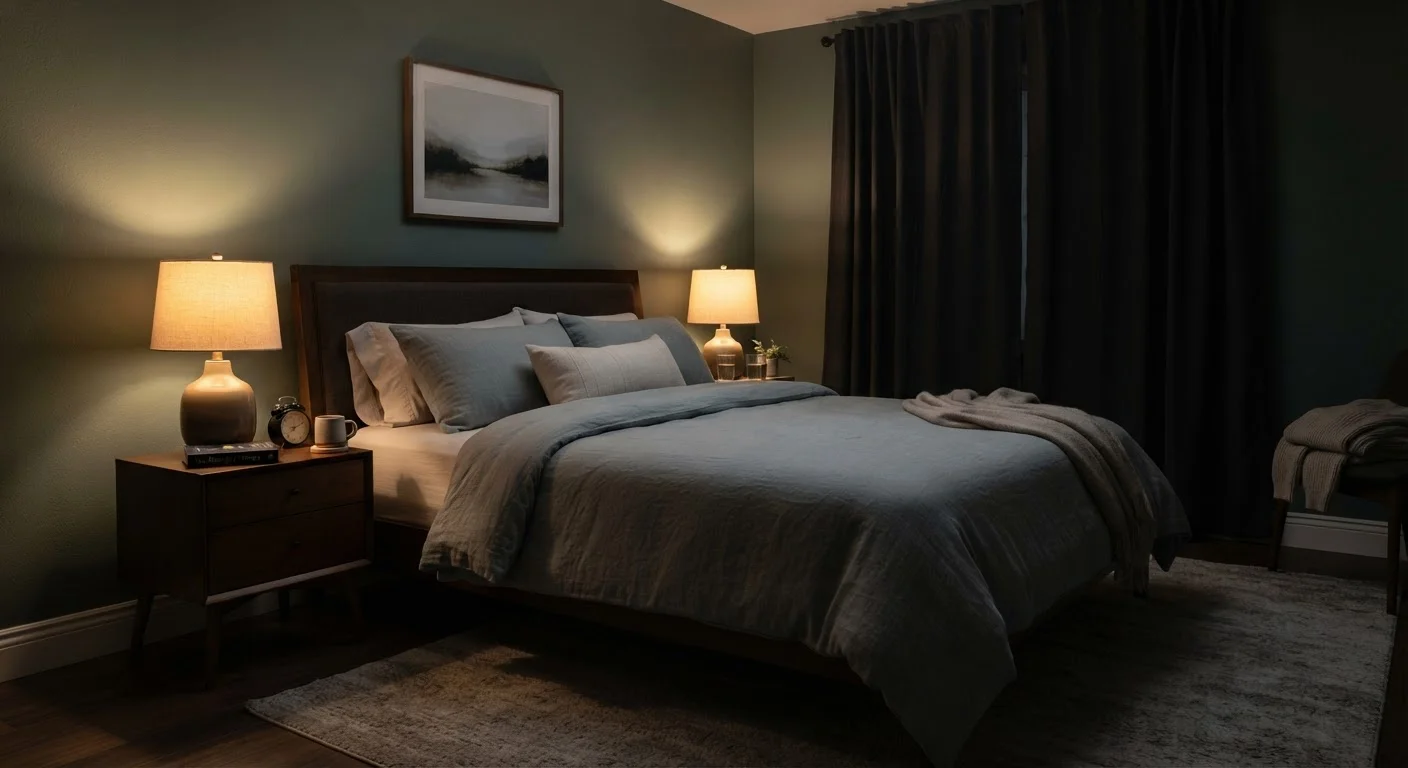
Photo: AnswersVista.com | Trustworthy Information Every Day editorial
Key Takeaways
- Sleep hygiene refers to the full range of daily habits and environmental conditions that influence sleep quality.
- Consistent sleep and wake times are among the most evidence-supported strategies for better rest.
- Light exposure, temperature, noise, and screen use all meaningfully affect how quickly and deeply you sleep.
- Daytime behaviors - including exercise timing, caffeine, and stress - shape nighttime sleep quality.
- Persistent sleep difficulties should be discussed with a qualified healthcare professional, not self-treated.
What Sleep Hygiene Actually Means
The term sleep hygiene was coined by sleep researchers in the 1970s to describe the behavioral and environmental conditions that support healthy, consistent sleep. It has nothing to do with cleanliness in the conventional sense - it's a framework for understanding how the choices you make throughout the day accumulate to determine how well you rest at night.
Poor sleep hygiene doesn't necessarily mean you're doing anything dramatically wrong. More often, it reflects small, habitual patterns - irregular bedtimes, late caffeine, or a bedroom that's too bright - that compound over time and erode sleep quality. The encouraging part: most of these factors are adjustable. For a broader look at social and structural forces also driving sleep loss across the country, see why Americans are sleeping less.
The Role of Circadian Rhythm
Your circadian rhythm is an internal biological clock, roughly 24 hours long, that regulates your sleep-wake cycle, hormone release, body temperature, and metabolism. It responds most powerfully to light - particularly the presence or absence of natural daylight.
When your daily schedule aligns with your circadian rhythm, falling asleep and waking naturally becomes easier. When it doesn't - due to shift work, travel across time zones, or erratic sleep timing - you can experience what researchers call social jet lag: a misalignment between your biological clock and your social schedule.
Anchor your alarm time first, not your bedtime. A fixed wake time is the most reliable lever for stabilizing your circadian rhythm, even when your schedule varies.
If you can't sleep after roughly 20 minutes in bed, get up and do something quiet in dim light until you feel genuinely sleepy - then return. Lying awake in bed trains your brain to associate the sleep environment with wakefulness.
The single most impactful sleep hygiene habit supported by research is maintaining a consistent wake time, even on weekends. This anchors your circadian rhythm and makes the rest of your sleep schedule easier to regulate.
Your Sleep Environment: What Matters Most
Your bedroom environment exerts a direct, measurable influence on how quickly you fall asleep and how deeply you stay asleep. Research points to four primary environmental variables:
- Light: Darkness signals the brain to increase melatonin production. Even low-level light - from a hallway, phone screen, or streetlamp - can suppress this process. Blackout curtains and removing bright-LED devices are practical solutions.
- Temperature: Core body temperature drops slightly as part of normal sleep onset. A cooler room (generally described in research as somewhere in the mid-60s to low 70s Fahrenheit range) supports this process, though individual comfort varies.
- Noise: Intermittent or unpredictable sounds disrupt sleep architecture even when they don't fully wake you. Consistent background sound - such as white noise or a fan - can mask disruptive noise spikes.
- Mattress and bedding comfort: Your sleep surface matters in ways that are easy to underestimate. If you're evaluating your setup, a framework for comparing mattress types can help you understand the structural differences between common options.
Daytime Habits That Quietly Affect Nighttime Sleep
Sleep quality is not determined solely by what you do at bedtime. Several daytime behaviors have well-documented effects on sleep:
1 in 3
U.S. adults not getting enough sleep
According to the Centers for Disease Control and Prevention (CDC), about one-third of American adults regularly sleep fewer than the recommended seven hours per night.
5-7 hrs
Caffeine half-life in most adults
Pharmacological research shows caffeine's half-life averages five to seven hours, meaning afternoon consumption can still impair sleep onset at night.
~90 min
Length of a single sleep cycle
Sleep architecture research establishes that one complete sleep cycle - light sleep, deep sleep, and REM - lasts approximately 90 minutes and repeats several times per night.
- Caffeine timing: Caffeine has a half-life of approximately five to seven hours in most adults, meaning a mid-afternoon coffee can still be active in your system at midnight. Individual metabolism varies, but many sleep researchers recommend avoiding caffeine after early afternoon for those who are sensitive.
- Physical activity: Regular exercise is consistently associated with better sleep quality. However, vigorous exercise very close to bedtime may elevate core body temperature and alertness in some individuals. How rest and recovery fit into a fitness routine offers useful context on timing and recovery.
- Alcohol: While alcohol has a sedative effect, it disrupts REM (rapid eye movement) sleep and typically causes fragmented sleep in the second half of the night.
- Stress and mental load: Unresolved anxiety and cognitive arousal are among the most common drivers of sleep-onset difficulty. Building a daily mental health routine during waking hours can meaningfully reduce nighttime rumination.
Building a Wind-Down Routine That Works
A consistent pre-sleep routine signals to your nervous system that rest is approaching. It doesn't need to be elaborate. The goal is a reliable, low-stimulation transition between your active day and sleep.
Evidence-supported wind-down practices include:
- Reducing screen exposure in the hour before bed - the blue-light wavelength emitted by screens suppresses melatonin more than warm-toned light.
- Engaging in low-arousal activities such as reading physical print, light stretching, or listening to calm audio.
- Setting a consistent bedtime that gives you enough time for your full sleep need - most adults require seven to nine hours, though this varies individually.
- Keeping the bedroom for sleep - avoiding work, eating, or intense conversations in bed helps maintain the mental association between the space and rest.
Routine-building applies broadly to wellness: the same principles that underpin sustainable eating habits - consistency, low friction, and realistic expectations - transfer directly to sleep.
When Sleep Problems Signal Something More
Sleep hygiene practices are effective for many people with subclinical or lifestyle-driven sleep difficulties. They are not a substitute for professional evaluation when sleep problems are persistent, severe, or accompanied by other symptoms.
Conditions such as insomnia disorder, obstructive sleep apnea, restless legs syndrome, and circadian rhythm disorders require clinical assessment and often specific treatments - such as Cognitive Behavioral Therapy for Insomnia (CBT-I), which is currently considered a first-line treatment for chronic insomnia by major sleep medicine bodies. These approaches go well beyond behavioral self-management.
Don't Self-Diagnose Persistent Sleep Disorders
This article is for general informational and educational purposes only and is not a substitute for professional medical advice, diagnosis, or treatment. If you are experiencing persistent sleep difficulties or symptoms that affect your daily functioning, please consult a qualified healthcare provider.
The content provided on our blog site traverses numerous categories, offering readers valuable and practical information. Readers can use the editorial team’s research and data to gain more insights into their topics of interest. However, they are requested not to treat the articles as conclusive. The website team cannot be held responsible for differences in data or inaccuracies found across other platforms. Please also note that the site might also miss out on various schemes and offers available that the readers may find more beneficial than the ones we cover.