
Vitamins and Minerals: A Quick-Reference Glossary

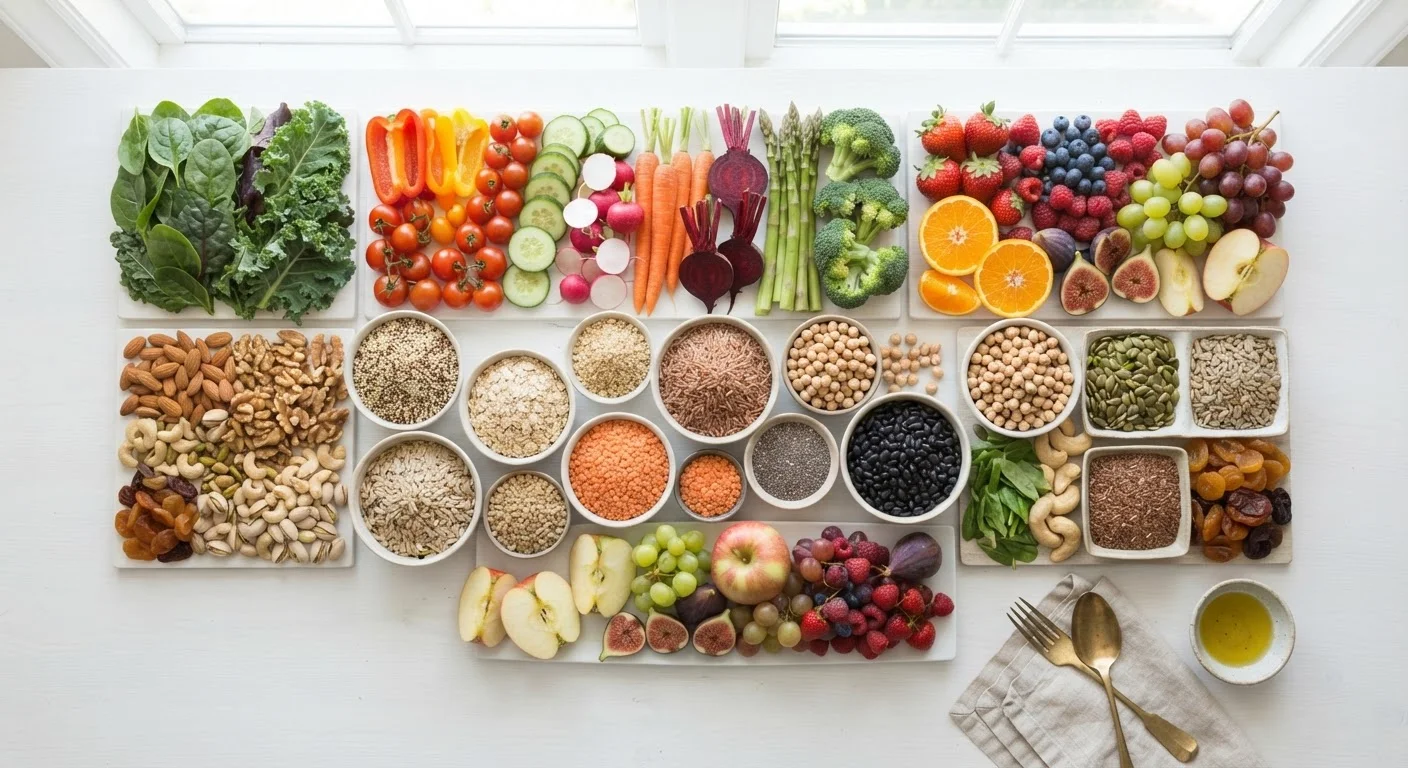
Photo: AnswersVista.com | Trustworthy Information Every Day editorial
Why This Reference Exists
Nutrition labels, doctor recommendations, and wellness articles all assume you already know what riboflavin does or why magnesium matters. Most people don't - and that gap makes everyday health decisions harder than they need to be. This glossary is designed to close it.
Each entry below covers a vitamin or mineral's primary role in the body and its most reliable food sources. It is general educational information, not personal medical advice. If you have questions about your own nutritional needs, consult a qualified healthcare professional or registered dietitian.
New to nutrition concepts altogether? Our beginner's nutrition guide builds the foundational context that makes a reference like this even more useful.
| Total essential vitamins | 13 (Recognized by the National Institutes of Health) |
| Fat-soluble vitamins | A, D, E, K |
| Water-soluble vitamins | C and the 8 B vitamins |
| Most common deficiency globally | Iron deficiency (World Health Organization) |
| Vitamin D synthesis | Triggered by UVB sunlight exposure on skin |
| Folate importance | Critical during early pregnancy for neural tube development (CDC guidance) |
Fat-Soluble Vitamins (A, D, E, K)
Fat-soluble vitamins are stored in body fat and liver tissue, meaning they accumulate over time. Both deficiency and excess can cause health problems, so balance matters.
Vitamin A
A fat-soluble vitamin essential for vision (especially in low light), immune function, and cell growth. Found in liver, dairy, eggs, and as beta-carotene in orange and dark-green vegetables like carrots and spinach.
Vitamin D
A fat-soluble vitamin that regulates calcium absorption and supports bone health, immune function, and muscle performance. The body produces it when skin is exposed to sunlight; dietary sources include fatty fish, egg yolks, and fortified foods.
Vitamin E
A fat-soluble antioxidant that protects cells from oxidative damage and supports immune function. Found in nuts, seeds, vegetable oils, and wheat germ.
Vitamin K
A fat-soluble vitamin with two main forms - K1 (phylloquinone) and K2 (menaquinone). It is essential for blood clotting and bone metabolism. K1 is found in leafy greens; K2 is found in fermented foods and some animal products.
Folate (Vitamin B9)
A water-soluble B vitamin critical for DNA synthesis, cell division, and healthy red blood cell formation. Particularly important during pregnancy to support fetal neural development. Found in leafy greens, legumes, and fortified grains.
Vitamin B12
A water-soluble vitamin required for producing red blood cells and maintaining neurological function. It is found almost exclusively in animal-derived foods, making people following plant-based diets more susceptible to deficiency.
Macrominerals
Minerals the body requires in relatively large amounts (generally more than 100 mg per day), including calcium, magnesium, potassium, phosphorus, and sodium. They support structural, fluid-balance, and nerve-signaling functions.
Trace Minerals
Minerals needed in very small amounts - typically micrograms to low milligrams per day - that still perform essential roles. Examples include iron, zinc, iodine, selenium, and copper.
Because fat-soluble vitamins require dietary fat for absorption, pairing vitamin-rich plant foods with a small amount of healthy fat - such as adding olive oil to a leafy green salad - can meaningfully improve uptake. For a deeper look at how hydration intersects with nutrient absorption, see our article on hydration and nutrition.
Water-Soluble Vitamins (C and B-Complex)
Unlike their fat-soluble counterparts, water-soluble vitamins are not stored in significant quantities. The body excretes excess amounts through urine, which reduces the risk of toxicity but means regular dietary intake is essential.
- Vitamin C: Supports immune function, collagen synthesis, and iron absorption. Found in citrus fruits, bell peppers, strawberries, and broccoli.
- Vitamin B1 (Thiamine): Helps convert carbohydrates into energy and supports nerve function. Found in whole grains, pork, legumes, and nuts.
- Vitamin B2 (Riboflavin): Involved in energy metabolism and cellular growth. Found in dairy products, eggs, lean meats, and leafy greens.
- Vitamin B3 (Niacin): Supports energy production and DNA repair. Found in poultry, fish, peanuts, and fortified grains.
- Vitamin B6: Plays a role in protein metabolism and neurotransmitter synthesis. Found in poultry, fish, potatoes, and bananas.
- Vitamin B9 (Folate): Critical for DNA synthesis and cell division; especially important during pregnancy. Found in dark leafy greens, legumes, and fortified foods.
- Vitamin B12: Required for red blood cell formation and neurological function. Found almost exclusively in animal products; those following plant-based diets should discuss supplementation with a healthcare provider.
- Biotin (B7): Supports fatty acid synthesis and glucose metabolism. Found in eggs, nuts, seeds, and salmon.
- Pantothenic Acid (B5): Involved in synthesizing coenzyme A, essential for energy metabolism. Found in chicken, beef, potatoes, oats, and tomatoes.
A Note on Supplementation
Key Minerals: Macrominerals and Trace Minerals
Minerals are inorganic elements the body cannot manufacture on its own. Macrominerals are needed in larger amounts; trace minerals are required in smaller quantities but are no less important.
| Mineral | Primary Role | Common Food Sources |
|---|---|---|
| Calcium | Bone and tooth structure, muscle contraction, nerve signaling | Dairy, fortified plant milks, kale, sardines |
| Magnesium | Enzyme function, blood pressure regulation, muscle and nerve activity | Pumpkin seeds, almonds, spinach, black beans |
| Potassium | Fluid balance, muscle contractions, heart rhythm | Bananas, sweet potatoes, white beans, avocado |
| Phosphorus | Bone mineralization, energy storage (ATP) | Meat, fish, dairy, lentils, pumpkin seeds |
| Sodium | Fluid balance, nerve impulse transmission | Table salt, processed foods, canned goods |
| Iron | Oxygen transport in red blood cells | Red meat, lentils, tofu, fortified cereals, spinach |
| Zinc | Immune function, wound healing, protein synthesis | Oysters, beef, pumpkin seeds, chickpeas |
| Iodine | Thyroid hormone production | Iodized salt, seaweed, dairy, seafood |
| Selenium | Antioxidant defense, thyroid function | Brazil nuts, tuna, eggs, sunflower seeds |
| Copper | Iron metabolism, connective tissue formation | Shellfish, nuts, seeds, dark chocolate |
This article is for general informational purposes only and does not constitute medical or nutritional advice. Speak with a qualified healthcare professional or registered dietitian before making changes to your diet, especially if you have an existing health condition or are considering supplementation.
The content provided on our blog site traverses numerous categories, offering readers valuable and practical information. Readers can use the editorial team’s research and data to gain more insights into their topics of interest. However, they are requested not to treat the articles as conclusive. The website team cannot be held responsible for differences in data or inaccuracies found across other platforms. Please also note that the site might also miss out on various schemes and offers available that the readers may find more beneficial than the ones we cover.