
Nutrition from Scratch: A Foundation for Absolute Beginners

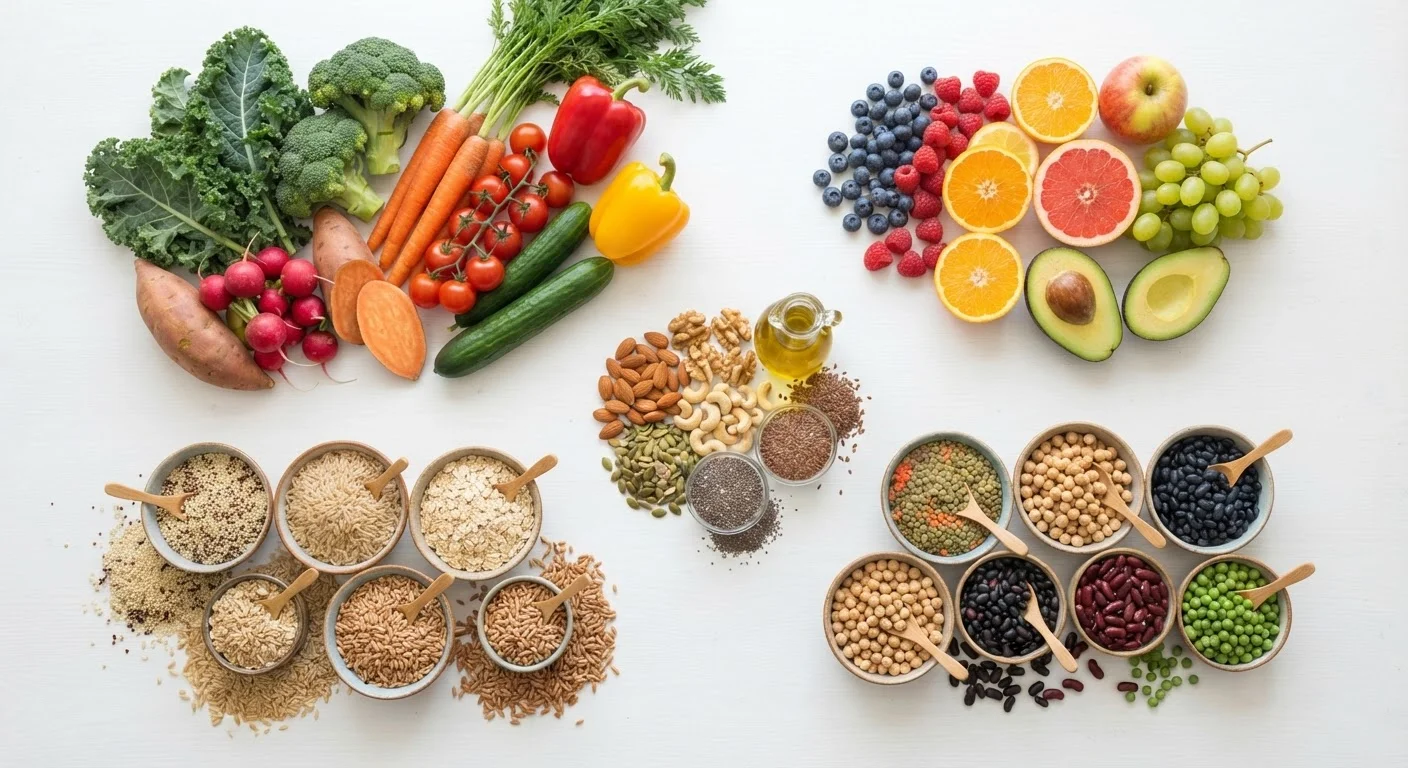
Photo: AnswersVista.com | Trustworthy Information Every Day editorial
Key Takeaways
- Nutrition is simply the science of how food fuels and supports every function in your body.
- Six core nutrient categories - carbohydrates, proteins, fats, vitamins, minerals, and water - all play distinct roles.
- Calories measure energy; balance between intake and expenditure shapes your overall health picture.
- No single food group is the enemy - variety across all groups supports complete nutrition.
- A balanced plate is a practical, flexible tool, not a rigid rulebook.
- Building nutrition knowledge gradually leads to more sustainable, confident food choices.
Why Nutrition Basics Matter
Nutrition information is everywhere - on packaging, in social media feeds, and in well-meaning advice from friends and family. Yet for many people, that flood of information makes eating feel more confusing, not less. This guide cuts through the noise by starting at the very beginning: what nutrition actually is, and why understanding it gives you real, everyday power over your well-being.
At its core, nutrition is the study of how the food and beverages you consume provide your body with the materials it needs to function. Every heartbeat, thought, and step you take depends on a continuous supply of nutrients. Understanding a few foundational concepts helps you make more intentional food choices - without obsessing over every bite.
This article provides general health information for educational purposes only. It is not a substitute for personalized advice from a qualified healthcare professional.
The Core Nutrients Your Body Needs
Scientists group the substances your body extracts from food into six major categories. Each plays a distinct role, and your body generally needs all of them.
Nutrient
A substance in food that your body uses for energy, growth, or to regulate body processes. Nutrients include carbohydrates, proteins, fats, vitamins, minerals, and water.
Macronutrient
A nutrient needed in relatively large amounts that provides calories (energy). The three macronutrients are carbohydrates, proteins, and fats.
Micronutrient
A vitamin or mineral needed in smaller amounts than macronutrients, but essential for regulating body functions and preventing deficiency-related health problems.
Calorie
A unit used to measure the amount of energy a food or beverage provides to your body when digested.
Fiber
A type of carbohydrate found in plants that the body cannot fully digest. It supports digestive health, helps you feel full, and is linked to heart and metabolic health.
Nutrient density
A measure of how many beneficial nutrients a food contains relative to its calorie count. Foods like vegetables and legumes are nutrient-dense; heavily processed snacks often are not.
Basal metabolic rate (BMR)
The minimum number of calories your body needs at rest to maintain basic functions like breathing, circulation, and cell repair.
Amino acids
The building-block molecules that make up proteins. Some amino acids must come from food because the body cannot make them on its own - these are called essential amino acids.
- Carbohydrates are your body's primary and most efficient fuel source. They're found in grains, fruits, vegetables, and legumes.
- Proteins are constructed from amino acids and serve as the building blocks for muscle, enzymes, hormones, and immune cells. Sources include meat, fish, eggs, dairy, beans, and tofu.
- Fats support brain health, hormone production, and the absorption of fat-soluble vitamins (A, D, E, and K). Healthy sources include nuts, seeds, avocado, and fish.
- Vitamins and minerals act as regulators - they enable thousands of chemical reactions and support immunity, bone health, and more. For a concise reference on specific vitamins and minerals, see our Vitamins and Minerals Quick-Reference Glossary.
- Water is often overlooked as a nutrient, but it underpins virtually every body process - from temperature regulation to nutrient transport.
Understanding Calories and Energy Balance
A calorie is simply a unit of energy. Food calories measure how much energy a food provides when metabolized. Your body needs a certain amount of energy each day just to breathe, circulate blood, and maintain basic functions - this is called the basal metabolic rate (BMR). Physical activity, digestion, and other factors add to that baseline need.
Energy balance refers to the relationship between calories consumed and calories expended. Over time, consistently consuming significantly more or fewer calories than your body uses affects body weight and health - but the picture is more nuanced than simple arithmetic. The quality of those calories, your hormonal environment, sleep, stress, and genetics all play roles. Focusing exclusively on calorie counting can obscure what matters more: eating a variety of nutrient-dense foods.
Focus on Food Quality, Not Just Numbers
Food Groups and What They Contribute
Food groups are a practical organizing framework - they help you think about variety and coverage across your diet. The USDA's MyPlate framework, one widely recognized reference in the United States, organizes foods into five groups:
| Food Group | Key Contributions | Common Examples |
|---|---|---|
| Vegetables | Fiber, vitamins, minerals, antioxidants | Leafy greens, broccoli, peppers, carrots |
| Fruits | Natural sugars, fiber, vitamins C and A | Berries, citrus, apples, bananas |
| Grains | Carbohydrates, B vitamins, fiber (whole grains) | Brown rice, oats, whole wheat bread |
| Protein foods | Amino acids, iron, zinc, healthy fats | Chicken, fish, beans, eggs, nuts |
| Dairy / Fortified alternatives | Calcium, vitamin D, protein | Milk, yogurt, cheese, fortified soy milk |
No food group is inherently bad. The concept of whole foods versus processed foods matters within each group - a whole grain and a heavily refined grain both fall under "grains," but they differ meaningfully in nutritional value.
Building a Balanced Plate
A balanced plate is one of the most practical tools for translating nutrition knowledge into daily action. Rather than tracking every gram, visualize your plate divided roughly as follows:
- Half your plate: vegetables and fruits - prioritizing variety and color
- One quarter: whole grains or starchy vegetables
- One quarter: lean or plant-based protein
- Add a source of healthy fat and a beverage - ideally water
This isn't a rigid prescription; it's a flexible mental model. Meals like soups, stews, or stir-fries can still hit these proportions - just think about what's in the pot. For practical guidance on translating these principles into your weekly shopping, our Grocery Shopping With Nutrition in Mind offers a useful starting framework.
Your Next Steps in Nutrition Learning
Understanding these fundamentals is a genuine accomplishment - most people navigate food decisions for years without ever pausing to learn the underlying principles. From here, the most productive next step is building consistent, realistic habits rather than seeking a perfect system.
Our guide on building sustainable eating habits covers meal timing, food variety, mindful eating, and navigating social situations - all grounded in evidence, not fads. Apply what you've learned here gradually, pay attention to how your body responds, and consult a registered dietitian if you have specific health goals or concerns. Nutrition doesn't have to be complicated; it just needs to be consistent.
This article is for general informational and educational purposes only and does not constitute medical or dietary advice. Always consult a qualified healthcare professional before making significant changes to your diet, especially if you have a health condition.
Frequently Asked Questions
The content provided on our blog site traverses numerous categories, offering readers valuable and practical information. Readers can use the editorial team’s research and data to gain more insights into their topics of interest. However, they are requested not to treat the articles as conclusive. The website team cannot be held responsible for differences in data or inaccuracies found across other platforms. Please also note that the site might also miss out on various schemes and offers available that the readers may find more beneficial than the ones we cover.