
Grocery Shopping With Nutrition in Mind

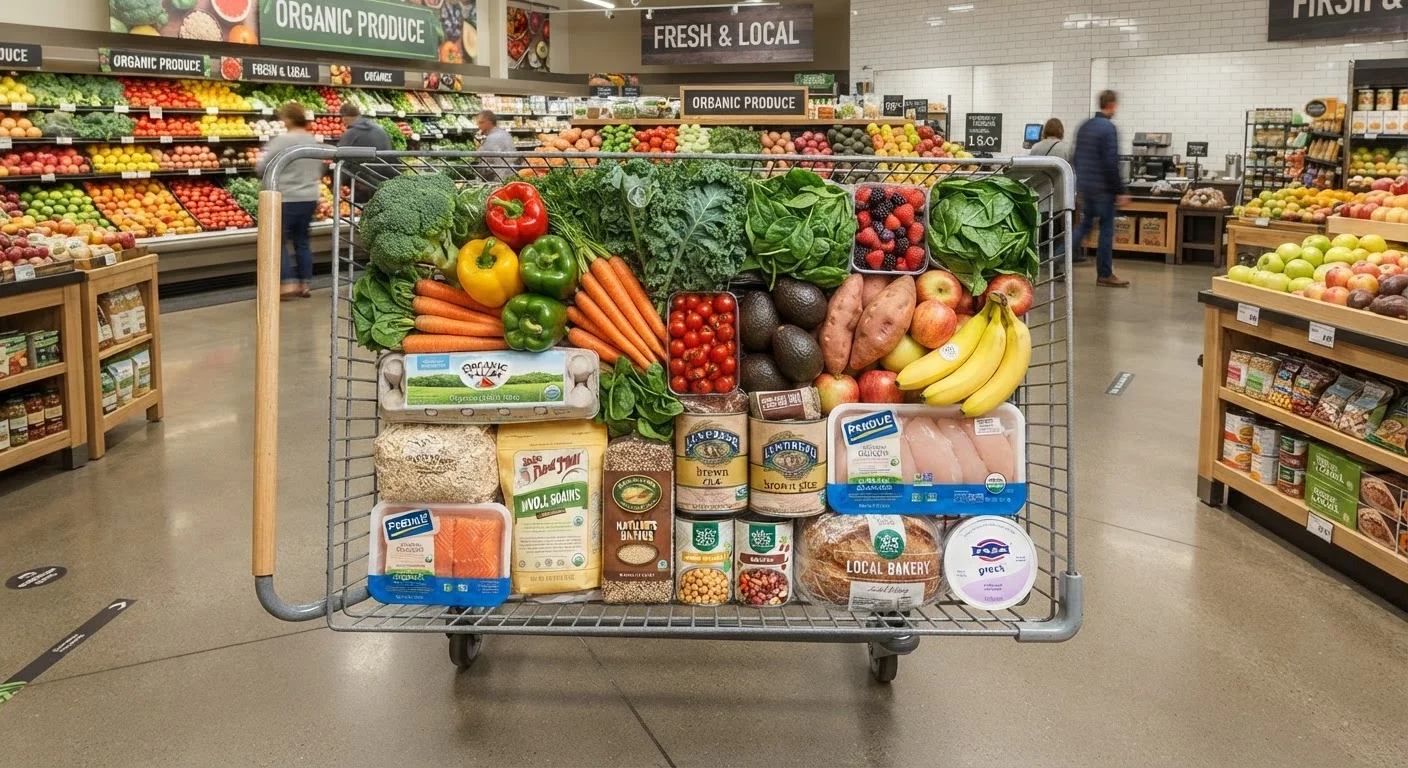
Photo: AnswersVista.com | Trustworthy Information Every Day editorial
Key Takeaways
- Shopping the store's perimeter first naturally steers you toward whole, minimally processed foods.
- Nutrition labels reveal far more than calories-sodium, fiber, and added sugars deserve equal attention.
- A written list based on a loose meal plan reduces impulse buys and nutritional gaps.
- Frozen and canned produce can be as nutritious as fresh when chosen carefully.
- Building a well-stocked pantry makes it easier to assemble balanced meals throughout the week.
Why Intentional Grocery Shopping Matters
What ends up in your cart largely determines what ends up on your plate. For most Americans, grocery shopping happens on autopilot-same aisles, same brands, same habits. But small, deliberate shifts in how you shop can meaningfully support better eating patterns without requiring dramatic dietary overhauls.
This checklist is designed as a practical reference you can use each time you shop. It covers preparation before you leave home, navigation strategies inside the store, label-reading basics, and pantry-building principles. Think of it as a reusable framework, not a rigid prescription. As with any nutritional guidance, individual needs vary-if you have specific health conditions or dietary requirements, consult a registered dietitian or qualified healthcare provider for personalized direction.
For broader context on how food choices fit together day to day, our guide to building a balanced plate offers evidence-informed portion frameworks worth reviewing before your next shop.
Before You Leave Home
Navigating the Store
Reading Nutrition Labels
Pantry Staples to Keep Stocked
Reading Labels With Confidence
Nutrition facts panels contain a surprising amount of useful information once you know what to focus on. Most shoppers scan calories and move on, but a few additional data points tell a much richer story about a product's nutritional value.
Serving size is the first line to read-everything else on the label is calculated against it. A package that looks single-serving may contain two or three. Added sugars (listed separately under Total Sugars since 2020 labeling updates) reveal how much sweetness has been introduced beyond what occurs naturally in the food. Sodium can accumulate quickly, especially in packaged soups, sauces, and snack foods. And dietary fiber is a nutrient most Americans consistently fall short on-if you want to understand why it matters so much, see our dedicated article on fiber and why most Americans under-eat it.
Ingredient lists follow a simple rule: ingredients appear in descending order by weight. If added sugars, refined flours, or oils appear in the first two or three slots, the product leans heavily on those components regardless of how its front-of-package marketing reads.
Front-of-Package Claims Can Be Misleading
Stocking a Nutritionally Resilient Pantry
A well-organized pantry does a lot of the nutritional heavy lifting between shopping trips. Staples like canned legumes, whole grains, nut butters, canned fish, and low-sodium broths make it far easier to assemble balanced meals on busy nights without defaulting to heavily processed convenience options.
Frozen vegetables and fruits deserve particular mention. Freezing typically occurs shortly after harvest, preserving vitamins and minerals effectively. In many cases, frozen produce is nutritionally comparable to-and sometimes better than-fresh produce that has been shipped long distances and stored for days. Choosing frozen options without added sauces, sugars, or sodium keeps them genuinely useful.
If you're also thinking about how your grocery budget intersects with nutrition goals, our article on stretching a grocery budget without eating differently covers practical approaches that don't require compromising on food quality. And for protein variety across your weekly meals, protein sources across a typical American diet is a useful companion reference.
Weekly Meal Plan Template
A simple grid or note listing planned meals helps translate nutritional intentions into a structured, useful shopping list.
Nutrition Facts Panel
The standardized label on packaged foods is the most reliable tool for comparing serving size, sodium, fiber, and added sugar across products.
Reusable Tote Bags
Organizing bags by food category (produce, refrigerated, pantry) at checkout can make unpacking and storage faster and less error-prone.
Grocery List App or Notepad
A pre-organized list grouped by store section reduces browsing time and keeps nutritional intentions on track.
This article is for general informational and educational purposes only and does not constitute medical or dietary advice. Consult a qualified healthcare professional or registered dietitian for guidance tailored to your individual health needs.
The content provided on our blog site traverses numerous categories, offering readers valuable and practical information. Readers can use the editorial team’s research and data to gain more insights into their topics of interest. However, they are requested not to treat the articles as conclusive. The website team cannot be held responsible for differences in data or inaccuracies found across other platforms. Please also note that the site might also miss out on various schemes and offers available that the readers may find more beneficial than the ones we cover.