
Protein Sources Across a Typical American Diet

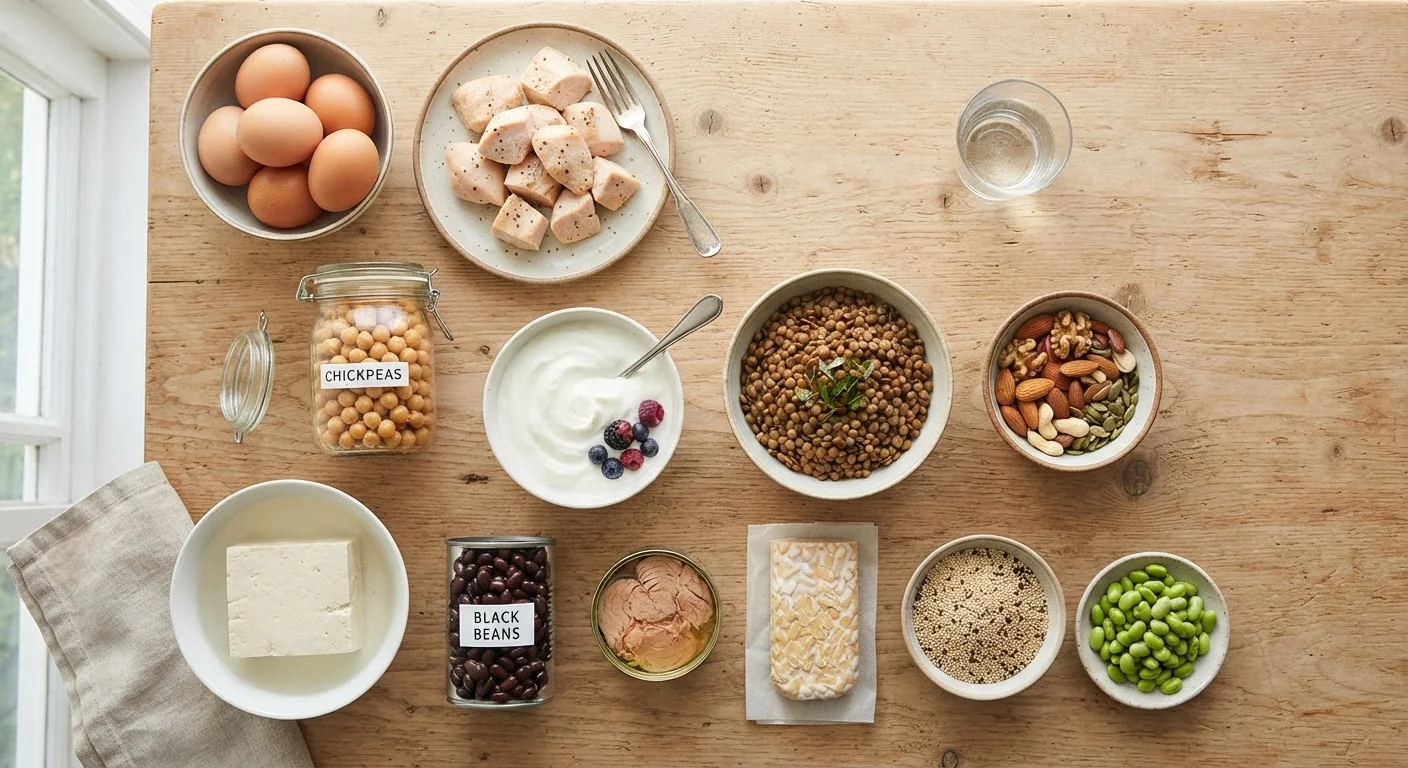
Photo: AnswersVista.com | Trustworthy Information Every Day editorial
Key Takeaways
- Animal proteins like meat, eggs, and dairy are considered complete proteins, containing all essential amino acids.
- Plant proteins such as beans, lentils, and soy can fully meet protein needs when consumed across a varied diet.
- Digestibility varies between protein sources - a factor worth considering alongside total protein content.
- Diversifying protein sources supports both nutritional completeness and long-term dietary sustainability.
- Most Americans meet daily protein targets, but the distribution and variety of sources often has room for improvement.
Why Protein Source Matters
Protein is one of the three macronutrients essential to human health, supporting muscle repair, immune function, enzyme production, and dozens of other biological processes. But not all protein is nutritionally identical. Two key factors distinguish protein sources: amino acid completeness and digestibility.
Amino acids are the building blocks of protein. Of the 20 amino acids the body uses, nine are considered essential - meaning the body cannot synthesize them and must obtain them from food. A protein source containing all nine in adequate proportions is called a complete protein. Animal-based foods typically meet this standard. Most plant proteins are considered incomplete individually, though combining different plant foods throughout the day can provide all essential amino acids.
Digestibility refers to how efficiently the body absorbs and uses the protein consumed. Scientists measure this using tools such as the Protein Digestibility-Corrected Amino Acid Score (PDCAAS) and the Digestible Indispensable Amino Acid Score (DIAAS). Animal proteins generally score higher, though many plant proteins - particularly soy - score very well. If you're newer to thinking about these distinctions, the nutrition fundamentals guide is a helpful starting point.
Poultry
Chicken and turkey are among the most widely consumed protein sources in the United States. Both are considered complete proteins with relatively high digestibility. Skinless cuts, particularly breast meat, are lower in saturated fat than many red meat options. Preparation method matters significantly - roasting or grilling preserves nutritional value better than heavy frying. Poultry also provides B vitamins, zinc, and phosphorus alongside its protein content.
Poultry is a lean, complete protein that pairs well with nearly any dietary pattern.
Eggs
Eggs are frequently cited in nutrition literature as a high-quality reference protein. The egg white supplies pure protein, while the yolk contributes fat-soluble vitamins (A, D, E, K), choline, and additional protein. A whole egg contains roughly 6 grams of protein. Eggs are versatile, affordable, and widely available - making them a practical protein source across a range of income levels and cooking abilities.
Whole eggs offer protein alongside a broad nutrient profile rarely matched by single-ingredient foods.
Dairy and Dairy Alternatives
Milk, Greek yogurt, cottage cheese, and hard cheeses are complete protein sources that also deliver calcium and vitamin D. Greek yogurt and cottage cheese are particularly protein-dense - Greek yogurt can contain 15-20 grams per cup. For those who avoid dairy, fortified soy-based products (soy milk, soy yogurt) are the closest plant-based equivalent in terms of protein quality and amino acid profile. Other dairy alternatives such as almond or oat milk typically contain far less protein.
Greek yogurt and cottage cheese are among the most protein-dense dairy foods commonly available.
Red Meat and Pork
Beef, pork, and lamb are complete proteins that also supply iron (in a highly bioavailable heme form), zinc, and B12. Lean cuts - such as sirloin, tenderloin, or pork loin - offer protein without excessive saturated fat. Major health organizations generally suggest moderating processed red meat (bacon, sausage, deli meats), which carries different health associations than unprocessed red meat. Consumed as one component of a varied diet, unprocessed red meat can be a nutritionally substantive protein choice.
Unprocessed lean red meat provides heme iron and B12 alongside complete protein.
Fish and Seafood
Fish delivers complete protein alongside omega-3 fatty acids - particularly EPA and DHA - which are not found in meaningful quantities in most other common American protein sources. Fatty fish (salmon, mackerel, sardines) are especially rich in these fats. Canned tuna and salmon are accessible, affordable options that retain substantial nutritional value. General dietary guidance from public health bodies often recommends including fish in the diet multiple times per week, though pregnant individuals should consult a healthcare provider regarding specific types and amounts.
Fish is one of the few protein sources that also delivers omega-3 fatty acids EPA and DHA.
Legumes: Beans, Lentils, and Peas
Legumes are among the most nutritionally dense plant foods available. While most are not complete proteins on their own (soybeans are an exception), they supply substantial protein - lentils offer roughly 18 grams per cooked cup - alongside fiber, potassium, folate, and iron. Eaten alongside grains, nuts, or seeds throughout the day, legumes can fully contribute to protein needs. They're also among the most affordable protein sources at the grocery store, making them accessible across budget levels.
Legumes combine meaningful protein with fiber and micronutrients rarely found together in animal proteins.
Soy-Based Foods
Soybeans are one of the few plant foods considered a complete protein with a digestibility score comparable to animal proteins. Tofu, tempeh, edamame, and soy milk are common preparations. Tempeh, a fermented form, is particularly high in protein and also supports gut health. Soy has been a subject of ongoing research regarding its phytoestrogen content; current scientific consensus from major health bodies does not support concern over moderate consumption for most healthy adults, though individuals with specific health conditions should discuss this with a healthcare provider.
Soy is the only widely available plant protein that is both complete and highly digestible.
Building a Well-Rounded Protein Intake
No single food provides every nutrient the body needs, which is why diversity across protein sources is consistently supported by nutrition research. Relying exclusively on red meat, for example, may mean missing fiber and phytonutrients abundant in legumes - a topic explored in depth in the fiber nutrition guide. Conversely, a diet heavy in processed protein products - bars, powders, packaged snacks - often sacrifices the broader nutritional matrix found in whole foods. For context on that distinction, see whole foods vs. processed foods.
Vary Your Sources Throughout the Week
Understanding how protein fits within the full meal picture is equally important. The balanced plate guide offers practical, evidence-informed frameworks for proportioning protein alongside vegetables, carbohydrates, and fats at each meal. For those looking to apply this knowledge at the store, grocery shopping with nutrition in mind offers a straightforward approach to selecting varied protein sources week to week.
This article is for general informational and educational purposes only and is not a substitute for professional medical or dietary advice. Consult a qualified healthcare provider or registered dietitian for guidance specific to your health needs.
The content provided on our blog site traverses numerous categories, offering readers valuable and practical information. Readers can use the editorial team’s research and data to gain more insights into their topics of interest. However, they are requested not to treat the articles as conclusive. The website team cannot be held responsible for differences in data or inaccuracies found across other platforms. Please also note that the site might also miss out on various schemes and offers available that the readers may find more beneficial than the ones we cover.