
Stretching a Grocery Budget Without Eating Differently

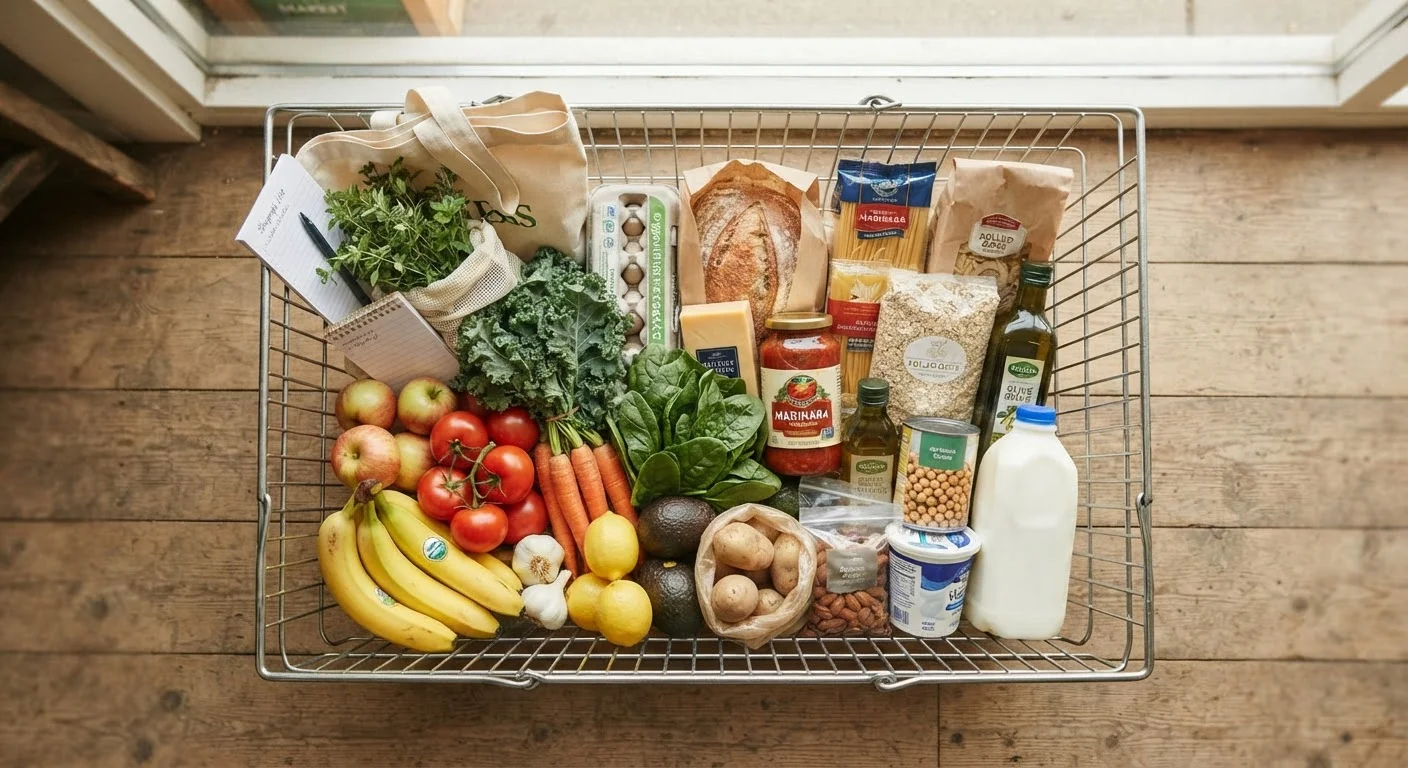
Photo: AnswersVista.com | Trustworthy Information Every Day editorial
Key Takeaways
- Changing your shopping habits - not your diet - is often the fastest path to grocery savings.
- Unit price comparison, not sticker price, is the single most reliable tool for cutting food costs.
- Timing your shopping around store markdown cycles can reduce spending without clipping a single coupon.
- A simple list built around your existing meals prevents the impulse purchases that silently inflate grocery bills.
- Buying shelf-stable items in bulk only saves money when you will realistically use them before they expire.
Why the Problem Is Usually How You Shop, Not What You Eat
Most grocery budget advice eventually circles back to cutting foods you enjoy - swap the cheese, skip the snacks, eat more lentils. That approach works for some people but creates friction that makes it hard to sustain. The more durable path is examining the mechanics of how you shop: when you go, what information you use to make decisions at the shelf, and which habits quietly add dollars to your total each week.
Research on consumer spending consistently finds that unplanned purchases, poor unit-price awareness, and shopping without a list account for a meaningful share of grocery overspend. None of these require eating differently to fix. They require small, repeatable process shifts that compound over time. For a broader look at how spending patterns accumulate, the Budgeting Basics hub covers foundational tracking strategies that pair well with the grocery-specific steps below.
What you will need
The Six Steps to Spending Less on the Same Food
The following steps are designed to be implemented gradually - you do not need to overhaul everything in one trip. Start with the one or two that address your most recognizable habits, then build from there. If you want to pair these strategies with smarter nutritional choices at the same time, shopping with nutrition in mind offers a compatible checklist that works alongside a budget-focused approach.
Pen and notepad (or phone notes app)
Writing a structured shopping list organized by store section to avoid backtracking and impulse grabs.
Store loyalty or rewards card
Accessing member-only sale prices available at most major grocery chains at no cost to join.
Calculator or phone
Calculating unit prices (cost per ounce, per count) to make accurate size and brand comparisons.
Audit what you already have
Before writing any list, spend five minutes scanning your pantry, fridge, and freezer. Note what is already on hand and nearing its use-by date. This single habit prevents you from buying duplicates of items you already own - one of the most common sources of quiet grocery overspend.
Build a meal-anchored shopping list
Map out the meals you plan to eat for the week, then work backward to list only the ingredients you actually need. A list organized around real meals - rather than a vague mental inventory - curbs the impulse additions that tend to inflate totals at checkout. For households managing shared finances, aligning on the weekly meal plan before anyone heads to the store can prevent duplicate or conflicting purchases.
Compare unit prices, not package prices
The shelf tag in most U.S. grocery stores displays a unit price - typically cost per ounce, per count, or per pound - in small print. This number, not the large package price, tells you which size or brand actually costs less. A larger package is not always cheaper per unit, and store-label products frequently match or undercut name brands on this metric. Get into the habit of checking the unit price before deciding between options.
Time your shopping to catch markdown cycles
Most grocery stores reduce prices on perishables - meat, bread, prepared foods, and some produce - on a predictable weekly schedule tied to delivery and freshness windows. Asking a staff member which days markdowns typically happen, or observing patterns over two or three visits, can help you shop on the days when more items carry reduced stickers. This works with your existing diet because you are buying the same foods, simply at a lower point in their pricing cycle.
Evaluate bulk purchases honestly
Buying in larger quantities can lower your per-unit cost, but only if the product will genuinely be used before it expires or goes stale. Shelf-stable staples - dry beans, rice, oats, canned tomatoes, pasta - are strong candidates for bulk buying. Perishables or specialty items you rarely use are not. Understanding when bulk quantities actually pay off depends on your realistic consumption rate, not just the per-unit math.
Use store loyalty programs - but only for items already on your list
Most major U.S. grocery chains offer free loyalty programs that unlock sale prices unavailable to non-members. Signing up takes minutes and costs nothing. The discipline, however, is to redeem those savings only on items you planned to buy anyway. A promoted item that was not on your list is still an unplanned expense, even at a discount. Discount-triggered impulse buying is one of the most reliably budget-draining habits in grocery shopping.
Track Your Grocery Spend for Just Two Weeks
For a wider view of where these grocery strategies fit within your overall financial picture, the value-focused approach across all major shopping categories applies the same unit-price and timing thinking to electronics, clothing, and home goods.
The content provided on our blog site traverses numerous categories, offering readers valuable and practical information. Readers can use the editorial team’s research and data to gain more insights into their topics of interest. However, they are requested not to treat the articles as conclusive. The website team cannot be held responsible for differences in data or inaccuracies found across other platforms. Please also note that the site might also miss out on various schemes and offers available that the readers may find more beneficial than the ones we cover.