
A Quick-Reference Glossary of Home Organization Terms

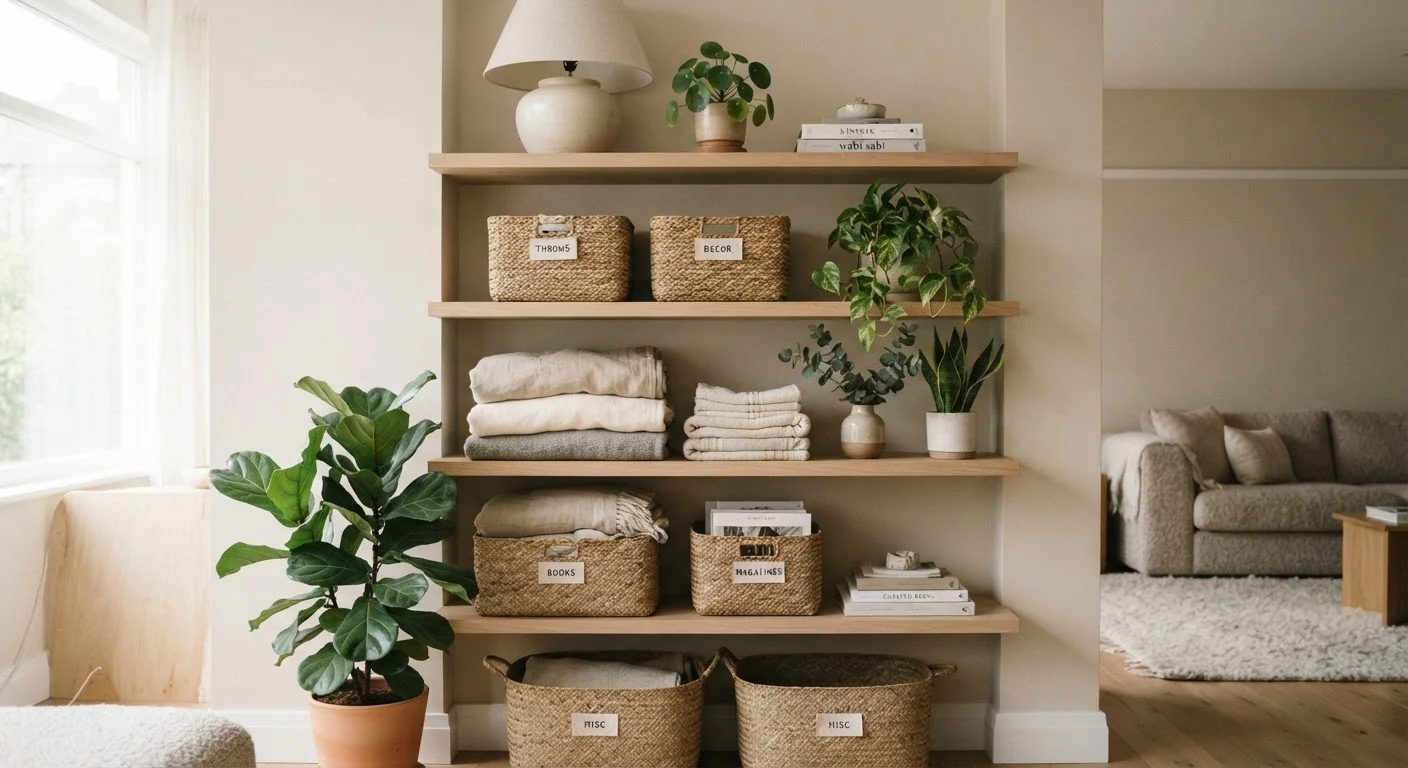
Photo: AnswersVista.com | Trustworthy Information Every Day editorial
Why Organization Has Its Own Language
Home organization guides are filled with terms that can feel like insider shorthand - decluttering, zone storage, capsule wardrobe - without always stopping to explain what they mean. This glossary gives you a plain-English reference for the vocabulary you'll encounter most, so you can read any organizing guide with confidence and put the ideas to work immediately.
Whether you're just getting started or refining a system you already have, understanding the terminology helps you evaluate advice more critically and apply it to your specific space. See our beginner's guide to home organization for practical first steps once you're familiar with the concepts below.
Decluttering
The process of intentionally removing items from a space that are no longer useful, meaningful, or needed. It typically precedes any storage or organizational work, since organizing clutter just hides the underlying problem.
Zone Storage
A system of organizing a space by grouping items according to where and how they are used. For example, a kitchen might have a baking zone, a coffee station, and a meal-prep area - each containing only the tools relevant to that activity.
Capsule Wardrobe
A deliberately small, curated collection of clothing items that mix and match easily. The goal is a functional wardrobe with less volume, reducing decision fatigue and unused pieces.
One-In, One-Out Rule
A maintenance habit where each new item brought into the home is paired with the removal of an existing one. It helps prevent accumulation after an initial declutter.
Categorization
The step in organizing where items are grouped by type, function, or frequency of use before being assigned a permanent location. Good categorization makes retrieval faster and storage more logical.
Dead Zone
An area of a home that accumulates items by default rather than by design - often a countertop, entryway table, or the floor near a door. Identifying dead zones is a common first step in reorganizing high-traffic areas.
Vertical Storage
Using wall height rather than just floor space to store or display items. Shelving, wall-mounted hooks, and tall cabinetry are all forms of vertical storage, particularly valuable in small rooms.
The KonMari Method
An organizing approach developed by Marie Kondo that involves sorting belongings by category (not room) and keeping only items that 'spark joy.' It emphasizes a one-time, thorough tidying event rather than incremental efforts.
Decanting
Transferring items from their original packaging into uniform containers - often used in pantries and bathrooms. It creates visual consistency and makes quantities easier to see at a glance.
Landing Zone
A designated spot near an entry point - such as a hook, shelf, or small table - where everyday carry items like keys, bags, and mail are consistently placed. A well-designed landing zone reduces the time spent searching for these items.
Negative Space
Intentionally empty areas within a storage system or room layout. Negative space prevents a space from feeling crowded and allows room for future additions without disrupting the system.
Flow (in a room layout)
The ease with which people and activity move through a room. Good organizational planning considers flow by keeping frequently used items accessible and ensuring pathways remain clear.
Core Concepts in Practice
Knowing the terms is only half the equation - understanding how they relate to each other is what makes an organizing system stick. Several of these concepts work together in sequence: you declutter before you categorize, establish zones before adding storage solutions, and use the one-in, one-out rule to maintain whatever system you build.
Labels are one of the most discussed tools in home organization, and their usefulness depends heavily on context. Our companion article on when and how to use storage labels explores exactly that. For a room-by-room application of these principles, the home organization checklist is a useful next step.
| Primary organizing sequence | Declutter → Categorize → Assign zones → Store → Label |
| Most common dead zones | Kitchen counters, entryway surfaces, bedroom chairs |
| Purpose of negative space | Prevents overcrowding and leaves room for system growth |
| One-in, one-out rule applies to | Clothing, kitchen tools, books, toys, and similar accumulating categories |
| Decanting most commonly used in | Pantry, bathroom, and laundry storage areas |
| Zone storage benefit | Reduces retrieval time and keeps related items together |
If you find that organizing your home is prompting larger conversations about what you own and what you spend, the vocabulary of budgeting works hand in hand with these habits - our budgeting terms glossary covers that ground in the same plain-language format.
The content provided on our blog site traverses numerous categories, offering readers valuable and practical information. Readers can use the editorial team’s research and data to gain more insights into their topics of interest. However, they are requested not to treat the articles as conclusive. The website team cannot be held responsible for differences in data or inaccuracies found across other platforms. Please also note that the site might also miss out on various schemes and offers available that the readers may find more beneficial than the ones we cover.