
Getting Started with Home Organization When You Don't Know Where to Begin

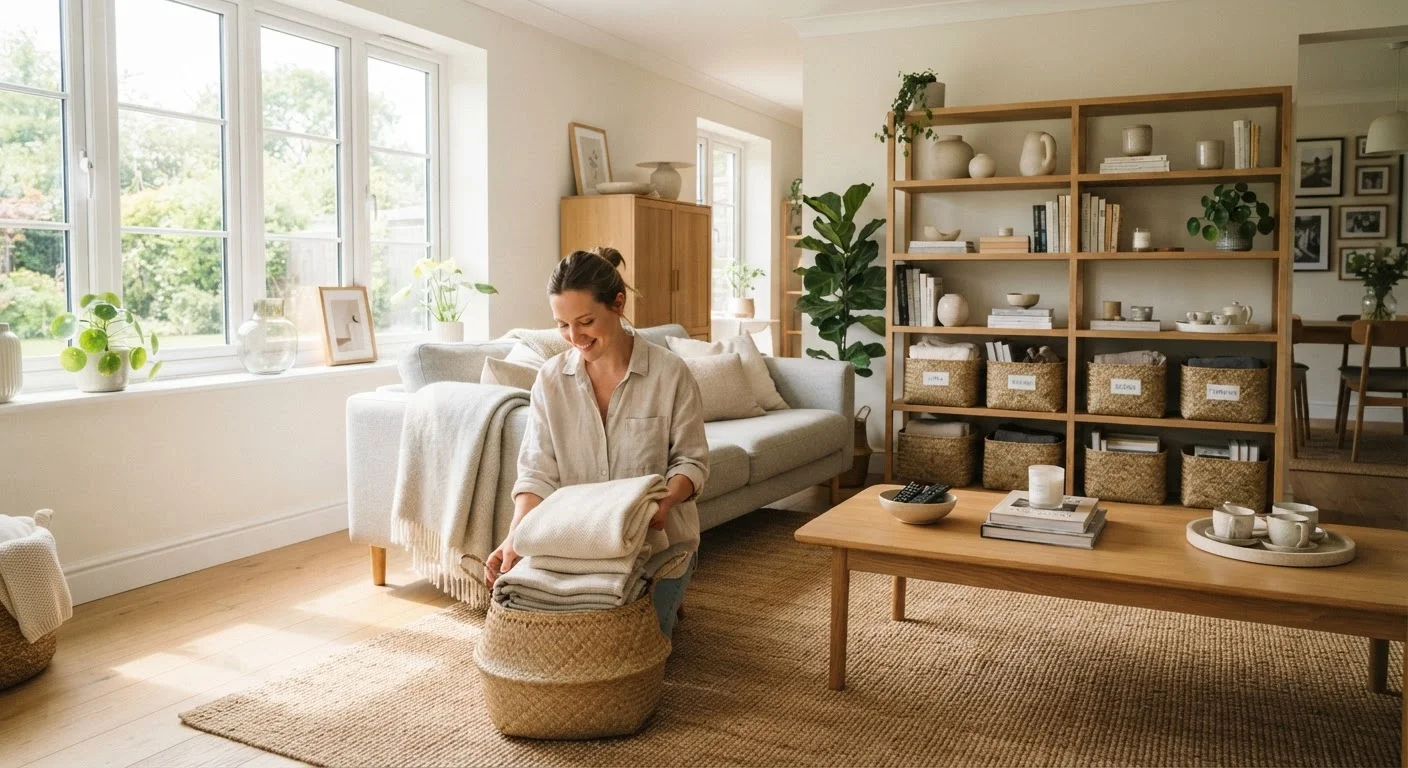
Photo: AnswersVista.com | Trustworthy Information Every Day editorial
Key Takeaways
- Overwhelm is normal - it doesn't mean you lack the skill to organize your home.
- Start with a single high-friction area rather than attempting the whole house at once.
- Decluttering always comes before buying storage products.
- Sustainable organization depends on small, repeatable habits - not one big session.
- Your system only needs to work for you and your household, not look perfect.
Why Home Organization Feels So Overwhelming
Most people don't struggle with organization because they're lazy or hopeless at it. They struggle because they're staring at years of accumulated decisions all at once - every item representing a choice they didn't have time to make. That visual and mental load is genuinely heavy.
Add to that the pressure of social media imagery showing immaculate pantries and color-coded closets, and it's easy to conclude that a perfectly organized home requires either endless free time or a complete personality overhaul. It doesn't. It requires a workable process, applied consistently over time.
If you've believed any of the common myths around what organization has to look like, our article on home organization myths offers a useful reality check before you spend a dollar or move a single item.
Decluttering
The process of deciding which items to keep, donate, recycle, or discard - reducing the total volume of things in your home before organizing what remains.
Friction zone
An area of your home that consistently slows you down, causes stress, or requires extra effort to navigate - a useful indicator of where to start organizing.
Designated home
A specific, consistent location where a particular item always lives when it's not in use, making it easy to find and easy to return.
One-in, one-out rule
A simple habit where every new item brought into the home is matched by removing a comparable existing item, keeping overall volume stable.
Daily reset
A brief, regular habit - typically five to ten minutes - of returning items to their designated homes to prevent small messes from accumulating.
Setting the Right Mindset Before You Start
Before you touch a single drawer, it helps to clarify what you're actually trying to achieve. Organization isn't about having fewer things - it's about having the right things in the right places so your home supports your daily life rather than working against it.
A few mental shifts that tend to make the process smoother:
- Progress over perfection. A drawer that's 70% better is a real improvement, not a failure.
- Function before aesthetics. A system that looks chaotic but works reliably beats a pretty setup that collapses after a week.
- Your home, your rules. The goal is a space that fits how you actually live - not how an idealized version of you lives.
Give Yourself a Time Limit
How to Identify Where to Begin
The most common advice - "start small" - is correct but vague. A more useful frame: start where friction is highest. Ask yourself which area of your home costs you the most time, energy, or stress on a daily basis. That's your priority zone.
Common high-friction areas for beginners include:
- The kitchen counter or junk drawer you wade through every morning
- The entryway where things pile up and are never found again
- The bedroom floor or chair that accumulates clothes
- A garage that's become a catch-all for everything without a home
You don't need to audit every room before taking action, but once you're ready to broaden your scope, our room-by-room organization checklist gives you a structured way to assess the whole house.
Your First Practical Steps
Once you've chosen your starting area, work through these steps in order:
- Empty the space completely. Pull everything out so you can see exactly what you're working with. Sorting in place leads to half-measures.
- Sort into categories. Group like with like - not by where things came from, but by what they are. This reveals duplicates and forgotten items.
- Decide what stays. For each item, ask whether you use it, need it, or genuinely want it. If the answer is no to all three, it leaves. Donate, recycle, or discard accordingly.
- Assign every keeper a home. Items you use most frequently should be easiest to reach. Less-used items can live in harder-to-access spots.
- Only then consider storage solutions. Now that you know what you're keeping and where, you can make informed decisions about any containers or organizers you might need.
For deeper guidance on applying this room by room, our complete room-by-room guide walks through every space in the house in detail. If the garage is your biggest challenge, the garage organization guide covers that specifically.
Resist the Urge to Shop First
Building Habits That Last
A single organizing session won't hold unless you build a few lightweight habits around it. The homes that stay organized aren't maintained by marathon weekend sessions - they're maintained by small, consistent actions.
Three habits worth starting immediately:
- One-in, one-out. When something new enters your home, something comparable leaves. This prevents gradual accumulation from undoing your work.
- The daily reset. Spend five to ten minutes each evening returning items to their designated homes. This prevents small messes from compounding overnight.
- A monthly check-in. Walk through your highest-friction areas once a month and address anything that's drifted. Catching it early takes minutes; catching it after months takes hours.
For a full breakdown of what a sustainable maintenance routine looks like week to week, see our guide on maintaining an organized home. Sustainable organization is less about discipline and more about designing systems that make the right choice the easy choice.
Frequently Asked Questions
The content provided on our blog site traverses numerous categories, offering readers valuable and practical information. Readers can use the editorial team’s research and data to gain more insights into their topics of interest. However, they are requested not to treat the articles as conclusive. The website team cannot be held responsible for differences in data or inaccuracies found across other platforms. Please also note that the site might also miss out on various schemes and offers available that the readers may find more beneficial than the ones we cover.