
The Complete Guide to Organizing Every Room in Your Home

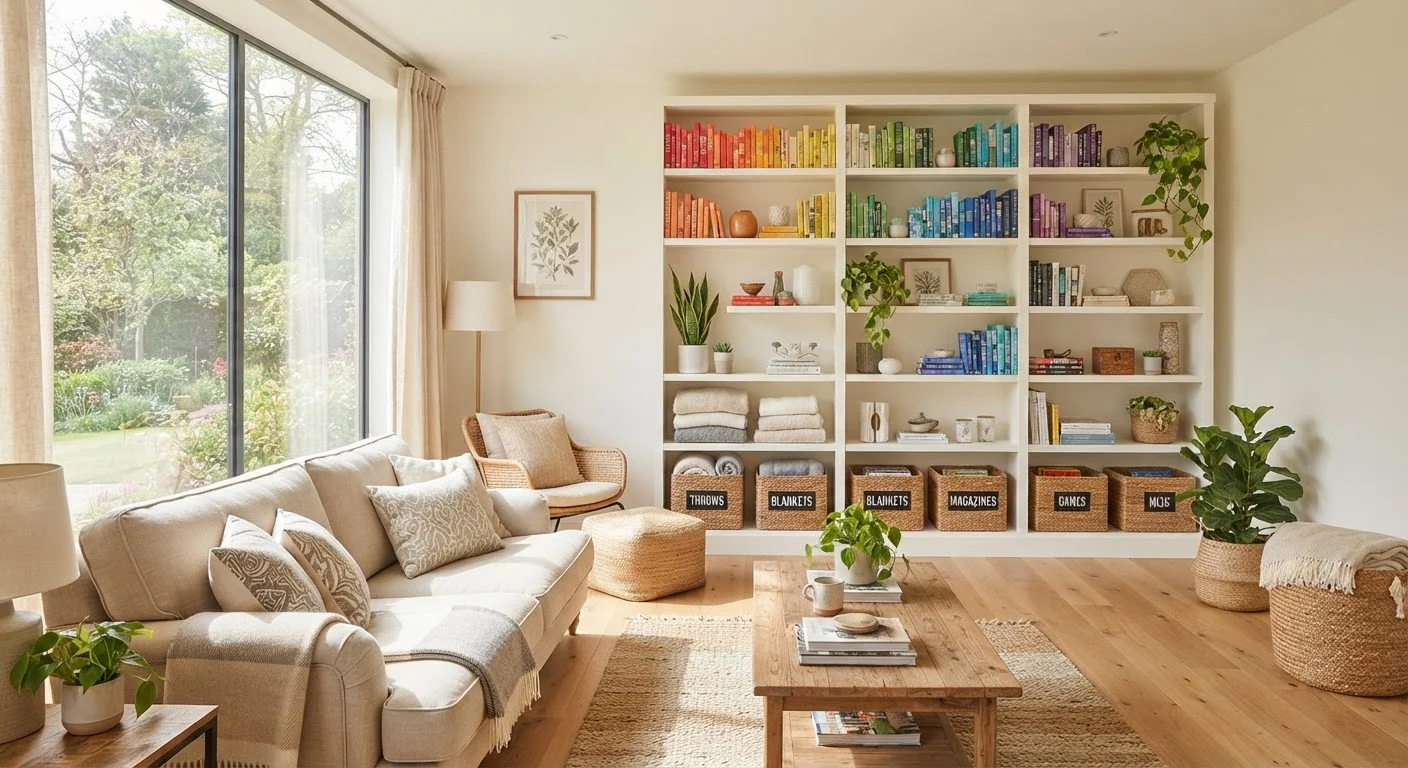
Photo: AnswersVista.com | Trustworthy Information Every Day editorial
Key Takeaways
- Decluttering before buying storage prevents wasted money on containers that don't solve the real problem.
- Every item in your home should have a designated home - ambiguity is the root cause of most clutter.
- High-traffic zones like entryways and kitchen counters require the simplest, most friction-free systems.
- Small, consistent habits outperform seasonal overhauls for keeping a home organized long-term.
- Room-specific zoning - grouping items by how and where you use them - makes organization intuitive.
The Core Principles Behind Effective Home Organization
Before tackling a single drawer or closet, it helps to understand the principles that make organization stick. Without them, even expensive storage systems fall apart within weeks.
Declutter before you organize. Buying bins and baskets for items you don't actually need is one of the most common and costly organizational mistakes. Sort first - keep, donate, discard - then figure out storage. If you're skeptical of popular decluttering methods, our guide on home organization myths separates helpful advice from unhelpful noise.
Assign a home to everything. Clutter accumulates when items don't have a designated place. If something lands on the counter repeatedly, that's a signal it lacks a home - not that the person is disorganized.
Match systems to your actual behavior. The best organizational system is one you'll use. If you never hang up jackets, a hook by the door will serve you better than a closet rod. Design for how you live, not an idealized version of it.
Start your declutter in the room that bothers you most, not the easiest one. The momentum from solving your biggest pain point carries through to the rest of the house.
Before purchasing any storage product, measure your space and write down the categories of items you need to store. Buying without this step is the most common reason storage solutions fail.
For a structured starting point, use the room-by-room organization checklist to audit every space before committing to a system.
Kitchen and Pantry: Function First
The kitchen is one of the highest-traffic rooms in any home, which means disorganization here carries an outsized cost in daily friction.
Zone by task. Group items near where they're used: prep tools near the cutting board, baking supplies together, coffee items adjacent to the coffee maker. This reduces the number of steps you take during routine tasks.
Pantry clarity. Place newer items behind older ones (first in, first out), use clear containers for dry goods, and label shelves rather than individual containers when possible. This makes restocking faster and reduces food waste.
Counter discipline. Counters should hold only daily-use appliances. Everything else earns cabinet space. A crowded counter is the most visible sign of kitchen disorganization and one of the easiest to remedy.
25%
of homeowners can't park in their own garage
A frequently cited estimate from home organization surveys suggests roughly one in four American households uses their garage primarily for storage rather than vehicles.
40%
of housework involves dealing with clutter
Home management researchers have noted that a significant share of household cleaning time is spent moving, sorting, or working around disorganized items rather than cleaning surfaces.
Drawer and cabinet audit: Pull everything out, wipe the space, and only return what you actively use. Duplicates, broken tools, and mystery gadgets are common culprits eating up prime kitchen real estate.
Bedrooms and Closets: Creating Calm Spaces
Bedrooms have a direct relationship with sleep quality and stress levels. A visually calm, organized room supports both.
Closet zoning. Divide your closet by category - work clothes, casual, seasonal - and within categories by color or frequency of use. Hang what wrinkles; fold what doesn't. Store seasonal items in bins on high shelves or under the bed in flat storage containers.
The one-in, one-out rule. For clothing especially, committing to removing one item whenever a new one enters prevents slow accumulation over time. Unfamiliar with terms like "capsule wardrobe"? The home organization glossary offers plain-language definitions.
Nightstand discipline. Limit nightstand surfaces to sleep-adjacent items only: lamp, book, water glass. A cluttered nightstand disrupts the sense of calm that supports restful sleep.
Living Areas and Entryways: Managing Daily Traffic
Living rooms and entryways absorb the chaos of daily life. Systems here need to be nearly effortless - anything requiring too many steps won't be used consistently.
Entryway essentials. Install hooks at usable heights, a tray or bin for shoes, and a small basket for items that need to leave the house (library books, returns, mail to send). These three elements handle the majority of entryway clutter.
Living room storage. Use furniture that doubles as storage - ottomans with lids, media consoles with doors, side tables with drawers. Keep surfaces intentional: decorative items should be chosen, not accumulated.
Remote controls and tech. Designate a single tray or drawer for remotes, charging cables, and small electronics. Searching for remotes is a small but consistent daily friction point that a defined home eliminates entirely.
The Basket Test for Living Rooms
Bathrooms and Laundry Rooms: Small Spaces, Big Impact
Bathrooms are typically the smallest rooms in a home, which means even moderate clutter feels overwhelming. The solution is almost always subtraction, not addition.
Under-sink organization. Use stackable bins or a small shelf riser to make use of vertical space under the sink. Group items by category: hair care, first aid, cleaning supplies. Keep daily-use items at the front.
Medicine cabinet audit. Check expiration dates on medications and skincare products regularly. Expired items not only waste space but can be a safety concern - check local guidelines for proper medication disposal.
Laundry room efficiency. If space allows, mount a folding table or wall-mounted shelf above the washer and dryer. Use labeled bins for sorting (darks, lights, delicates) so laundry arrives pre-sorted. A hanging rod for items that need to air dry prevents them from piling up on every available surface.
Garage and Utility Spaces: Reclaiming Overflow Areas
Garages tend to become default dumping grounds for anything without a clear home inside. Reclaiming the space requires the same zone-based approach used indoors.
Zone your garage. Divide the space into functional areas: automotive, lawn and garden, sports and recreation, seasonal storage, tools and hardware. Keep zones distinct and label shelving clearly.
Vertical storage is your best asset. Wall-mounted pegboards, overhead ceiling racks, and tall shelving units dramatically increase usable space without touching the floor footprint. Heavy items - such as bins with seasonal decorations - belong on lower, sturdier shelves.
For a deeper walkthrough, see our dedicated guide on garage organization, which covers zoning, tool storage, and seasonal item management in detail.
Avoid Storing Hazardous Materials Improperly
Building Habits That Keep Order Lasting
Organization is not a one-time project - it's an ongoing practice. The homes that stay organized aren't maintained by marathon weekend sessions but by small, consistent daily habits.
The daily reset. Spend five to ten minutes each evening returning items to their designated homes. This habit prevents the slow drift that turns a tidy room into a cluttered one over days and weeks.
Seasonal reviews. Schedule a quarterly walk-through of each room to catch items that have migrated, storage systems that have stopped working, and categories that need re-evaluation. This is especially useful for kids' rooms, which evolve rapidly.
For a full breakdown of daily, weekly, and seasonal routines, the guide on maintaining an organized home offers a realistic framework that accounts for how real households function.
Worth noting: physical clutter and digital clutter share more in common than most people realize. If you've organized your home but still feel overwhelmed, exploring digital vs. physical clutter may offer useful perspective on the shared root causes.
The content provided on our blog site traverses numerous categories, offering readers valuable and practical information. Readers can use the editorial team’s research and data to gain more insights into their topics of interest. However, they are requested not to treat the articles as conclusive. The website team cannot be held responsible for differences in data or inaccuracies found across other platforms. Please also note that the site might also miss out on various schemes and offers available that the readers may find more beneficial than the ones we cover.