At-Home Grooming Without the Struggle: Techniques That Reduce Pet Stress

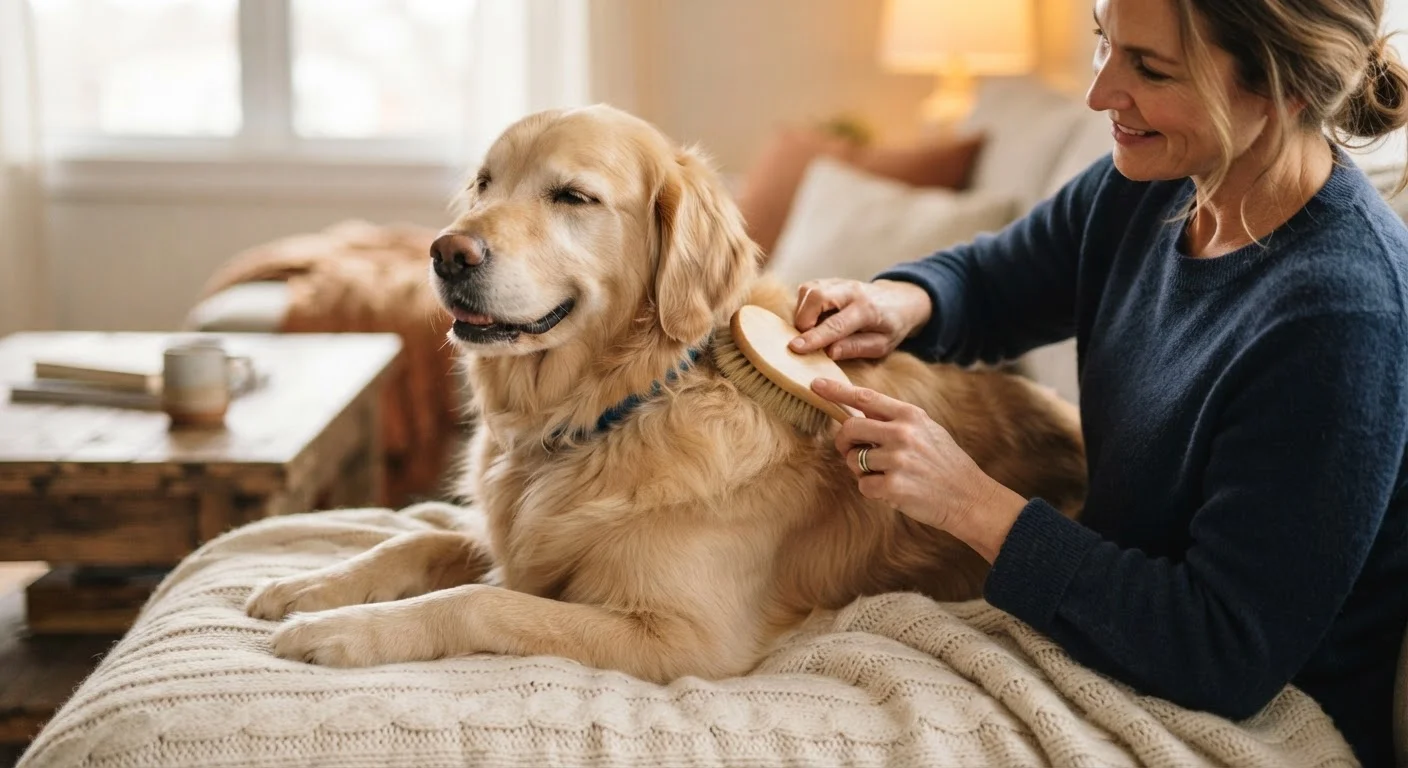
Photo: AnswersVista.com | Trustworthy Information Every Day editorial
Key Takeaways
- Short, positive grooming sessions repeated frequently outperform long, infrequent ones.
- Desensitization - gradual exposure paired with rewards - reduces fear of tools and handling.
- Reading your pet's body language lets you stop before stress escalates into resistance.
- Consistent routines help pets predict what is coming, which lowers anxiety over time.
- Severely anxious pets may benefit from veterinary guidance before home grooming is attempted.
Why Grooming Feels Like a Battle - And How to Change That
For many pet owners, grooming sessions end in scratches, escaped pets, and frayed nerves on both sides. The root cause is almost never stubbornness - it is usually fear. When a pet hasn't been gradually introduced to handling, tools like nail clippers or brushes become unpredictable threats. A single painful experience (a nicked quick, a tangled mat pulled too fast) can create lasting wariness.
The good news is that wariness is learned, which means it can be unlearned. Low-stress grooming relies on two core principles: predictability and positive association. When your pet knows what to expect and connects grooming with calm handling and small rewards, resistance fades over multiple sessions. This approach is supported by the same behavioral science that underlies reward-based training - see the pet training resources for context on how that foundation works.
Before starting any grooming session, check in with your pet's body language. Whale eye (whites of the eyes showing), flattened ears, a tucked tail, or stiff posture are all signals that your pet is not in a receptive state. Pushing through those signs typically backfires and makes future sessions harder. If your pet shows persistent, intense anxiety around grooming, consider discussing it with your veterinarian - chronic stress in pets can affect physical health and may warrant professional evaluation.
Tools and Setup That Make a Difference
The right environment removes a significant layer of stress before you touch your pet. Choose a quiet, familiar room with minimal foot traffic and no loud background noise. A non-slip surface - a yoga mat or rubber-backed rug - prevents the scrambling that makes pets feel unsafe on smooth floors.
What you will need
Slicker brush or deshedding comb
Removes loose fur and detangles coat without pulling, reducing discomfort during brushing.
Guillotine or scissor-style nail clippers
Trims nail tips cleanly to prevent overgrowth, splitting, or painful curling.
Styptic powder
Stops minor bleeding quickly if a nail quick is accidentally nicked during trimming.
Veterinarian-recommended ear cleaning solution
Loosens debris and wax inside the ear canal for safe, gentle cleaning.
Lick mat
Keeps dogs occupied with a spreadable treat while you work, reducing movement and attention on tools.
Non-slip mat
Provides secure footing so pets don't scramble or panic on smooth surfaces.
Gather everything before you begin. Reaching across the room mid-session to grab forgotten clippers signals a change in routine that can break your pet's calm. Keep treats small and high-value so they remain motivating without filling your pet up quickly. A lick mat spread with a thin layer of pet-safe peanut butter or plain pureed pumpkin can occupy dogs during brushing or nail trims, letting you work while they stay happily engaged.
Step-by-Step: A Low-Stress Grooming Session
Follow these steps in order, especially when working with a pet who is new to grooming or recovering from a bad experience. You do not need to complete every grooming task in one session - splitting brushing, nails, and ears across separate short sessions is perfectly acceptable and often preferable.
Start with a calm settling period
Before picking up any tool, let your pet settle in the grooming space. Sit quietly with them for two to three minutes, offering a few treats and calm praise. This is not wasted time - it lowers baseline arousal and signals that nothing alarming is about to happen. If your pet is too excited or too anxious to settle, end the session and try again later.
Introduce tools before using them
Hold the brush, clippers, or ear solution near your pet and let them sniff it. Pair the presence of each tool with a treat. Do this for one to two minutes before making contact. For pets who are tool-shy, dedicate entire early sessions just to this step - no actual grooming required. Rushing past tool introduction is the most common reason grooming sessions escalate into struggles.
Begin brushing with light, short strokes
Start on a part of the body your pet least objects to - typically the back or shoulders. Use gentle, short strokes in the direction of fur growth. Offer a treat every few strokes initially. Gradually work toward more sensitive areas (belly, paws, face) over multiple sessions rather than attempting them all at once. If you encounter a mat, work it loose from the ends inward using your fingers or a detangling spray before applying the brush.
Trim nails one at a time with frequent breaks
Clip just the very tip of each nail - the translucent hook at the end - to stay well clear of the quick (the pink blood vessel inside the nail). On dark nails where the quick isn't visible, take off tiny slices and stop when the cut surface shows a dark dot at the center, which indicates you're approaching the quick. Do one or two nails, offer a treat, and pause. You do not need to do all nails in one sitting.
Clean ears gently and only when indicated
Healthy ears don't require cleaning at every grooming session. Check for odor, dark discharge, or head shaking - signs that cleaning may be needed. When cleaning, apply a veterinarian-recommended ear solution to a cotton ball (never a cotton swab inserted into the canal) and wipe visible debris from the outer ear. Let the solution do the work; do not dig or probe deeper than you can clearly see.
End every session on a positive note
Stop before your pet's stress rises - always aim to finish while they are still calm and cooperative, even if you haven't completed everything planned. Offer a final treat, brief affection if your pet enjoys it, and release them calmly. Ending on a good note is what teaches your pet that grooming is a safe, rewarding experience, making the next session easier. Over time, you can extend session length as their comfort grows.
Frequency Beats Duration Every Time
Grooming as an Ongoing Health Practice
Regular at-home grooming does more than keep your pet tidy. It gives you consistent, close contact that helps you spot early changes - a new lump, skin irritation, ear odor, or overgrown nails that are beginning to curve. These observations are genuinely useful to your veterinarian. For a broader look at how home habits support professional care, see at-home pet health habits that support your vet's work.
Grooming needs also shift across a pet's life. Senior animals may have more sensitive skin, thinner coats, or joint pain that makes certain positions uncomfortable - senior pet care considerations are worth reviewing if your animal is entering their later years. For a deeper look at ear, coat, and dental routines specifically, the guide to overlooked pillars of routine pet health covers what a complete care routine actually involves.
This article provides general pet care information and is not a substitute for advice from a licensed veterinarian. If your pet shows signs of pain, injury, or severe anxiety during grooming, consult your vet before continuing home sessions.
The content provided on our blog site traverses numerous categories, offering readers valuable and practical information. Readers can use the editorial team’s research and data to gain more insights into their topics of interest. However, they are requested not to treat the articles as conclusive. The website team cannot be held responsible for differences in data or inaccuracies found across other platforms. Please also note that the site might also miss out on various schemes and offers available that the readers may find more beneficial than the ones we cover.