Teeth, Ears, and Coat: The Overlooked Pillars of Routine Pet Health

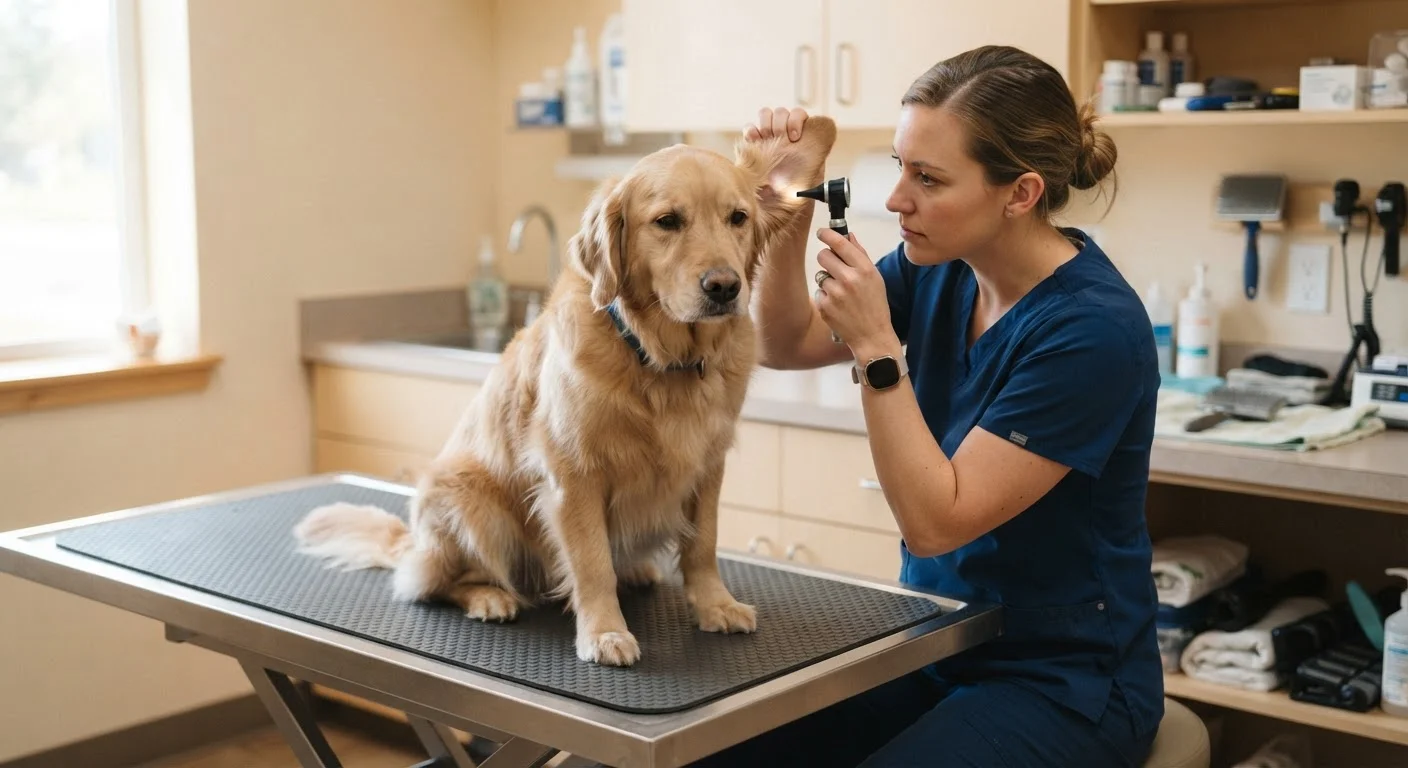
Photo: AnswersVista.com | Trustworthy Information Every Day editorial
Key Takeaways
- Dental disease affects the majority of dogs and cats by age three and is largely preventable with consistent home care.
- Ear infections are among the most common veterinary complaints and often result from moisture, debris, or underlying allergies.
- Regular coat and skin checks let owners spot parasites, lumps, or irritation early, improving treatment outcomes.
- Many grooming-related health problems develop gradually and are easy to miss without a structured routine.
- A complete pet care routine goes well beyond food and vaccines - daily and weekly hygiene habits matter significantly.
Why These Three Areas Get Skipped
Most pet owners stay on top of annual vaccines and parasite prevention - and for good reason. But dental hygiene, ear health, and coat condition are the areas that tend to fall through the cracks, often until a problem becomes impossible to ignore. By that point, what could have been a quick fix may require veterinary treatment, anesthesia, or extended recovery.
Veterinary organizations consistently report that periodontal (gum and tooth) disease is one of the most prevalent conditions seen in companion animals, with many dogs and cats showing signs by the time they turn three. Ear infections are similarly common, especially in breeds with floppy ears or dense ear canals. And coat-related issues - from matting and skin infections to undetected lumps - are frequently discovered only when they've progressed. This article is a practical reference for the daily and weekly habits that support your pet's long-term health, filling in the gaps that new pet owners often miss when building a care routine. For a broader overview of keeping pets healthy, visit our Pet Health hub.
Start handling habits early
The Essential Care Habits: A Practical List
Brush your pet's teeth - more often than you think
Daily tooth brushing is the gold standard recommended by most veterinary dental guidelines. Plaque begins mineralizing into tartar within 24 to 48 hours of formation, and once tartar hardens, it can only be removed under professional cleaning. Use a toothbrush and toothpaste formulated specifically for pets - human toothpaste contains ingredients that can be harmful to animals.
If daily brushing isn't realistic, aim for at least three to four times per week. Introduce the habit gradually: start by letting your pet taste the toothpaste, then progress to gently rubbing the outer tooth surfaces. Focus on the back molars and upper canines, where tartar tends to accumulate fastest. Signs that your pet may already have dental problems include bad breath, reluctance to eat hard food, pawing at the mouth, or visible brown buildup along the gumline. Any of these warrants a veterinary evaluation.
Plaque mineralizes into tartar within 48 hours, so brushing frequency directly determines how much builds up.
Inspect and clean ears on a regular schedule
Healthy ears should be light pink inside, odor-free, and free of excessive wax or debris. A small amount of light-colored wax is normal, but dark discharge, strong odor, redness, or swelling are signals that something is wrong - often a yeast or bacterial infection, or occasionally ear mites.
For routine maintenance, a gentle wipe of the visible outer ear canal using a cotton ball or pad moistened with a veterinarian-recommended ear cleaner is usually sufficient. Never insert cotton swabs deep into the ear canal, as this can push debris further in or cause injury. Dogs that swim frequently or have long, floppy ears (such as Basset Hounds or Cocker Spaniels) are at higher risk for ear infections due to moisture retention and reduced airflow. After swimming or bathing, gently dry the outer ear. Cats typically require less ear maintenance than dogs, but regular checks are still worthwhile. If you notice your pet shaking its head repeatedly, scratching at its ears, or tilting its head to one side, contact your veterinarian.
Dark discharge, odor, or redness in the ear canal are early warning signs of infection - don't wait to have them checked.
Brush the coat and check the skin underneath
Brushing isn't just about aesthetics. Regular coat brushing removes loose fur, reduces matting, distributes natural skin oils, and - critically - gives you a chance to examine the skin beneath. During each brushing session, use your hands to feel along your pet's body for unusual lumps, tender spots, redness, flaking, or signs of parasites such as flea dirt (small dark specks that turn reddish-brown when wet).
Brushing frequency depends on coat type: short-coated breeds may only need weekly attention, while long-haired or double-coated dogs and cats benefit from daily or every-other-day sessions. Mats that go unaddressed can tighten against the skin, causing irritation or hiding underlying sores. For dense or severely matted coats, a professional groomer or veterinarian should handle removal to avoid injuring the skin. Coat and skin checks are one of the most reliable ways to catch issues early - including parasites that your regular parasite prevention routine may not have caught in time.
Every brushing session is an opportunity to detect lumps, parasites, or skin changes before they progress.
Monitor for changes and document what's normal
One underrated habit is simply knowing your pet's baseline. What do their gums normally look like? What does a healthy ear smell (or not smell) like? How does their coat typically feel in different seasons? When you know the norm, deviations become much easier to catch early.
Consider keeping brief notes - even a simple log on your phone - recording any changes you observe during grooming sessions. This information is genuinely useful during annual veterinary exams, giving your vet a timeline and context that a once-a-year appointment alone can't provide. Note changes in coat texture or density, any new lumps or bumps, shifts in ear discharge color, or changes in how your pet responds to being touched in a particular area.
Knowing your pet's healthy baseline is the single most useful tool for catching problems early.
Know when to involve your veterinarian
Home care routines are powerful - but they have limits. Some conditions that begin with subtle signs can escalate quickly. Dental infections can affect the heart, kidney, and liver over time if left untreated. Ear infections can progress to the middle or inner ear, causing balance problems or hearing loss. Skin infections hidden beneath matted fur can become serious wounds.
The general guideline is straightforward: if something looks, smells, or feels wrong, and it doesn't resolve within a day or two, schedule a vet visit. Don't wait for a scheduled annual exam if you notice swollen gums, persistent scratching at the ears, bald patches, or a new lump. Your home routine keeps day-to-day health on track; your veterinarian handles what's beyond the scope of at-home observation. Staying consistent with both is what a complete care approach looks like.
Dental infections can affect internal organs over time - professional treatment isn't optional when problems arise.
Breed differences matter
Building These Habits Into Your Routine
Consistency matters more than perfection. Even if you can only brush your pet's teeth a few times a week, that's meaningfully better than nothing. Start each new habit gradually - short sessions with positive reinforcement help your pet accept handling of sensitive areas like the mouth and ears. Our guide on low-stress grooming techniques offers practical handling methods that make the process easier for anxious animals.
These at-home habits also strengthen the value of your annual vet visits. When you know what's normal for your pet's ears, teeth, and coat, you'll recognize changes sooner - and have more useful information to share with your veterinarian. See our article on at-home habits that support your vet's work for a broader framework. If you're just getting started with a newly adopted animal, the first 30-day health checklist is a useful companion resource.
This article is for general informational purposes only and is not a substitute for professional veterinary advice. Always consult a licensed veterinarian for guidance specific to your pet's health needs.
The content provided on our blog site traverses numerous categories, offering readers valuable and practical information. Readers can use the editorial team’s research and data to gain more insights into their topics of interest. However, they are requested not to treat the articles as conclusive. The website team cannot be held responsible for differences in data or inaccuracies found across other platforms. Please also note that the site might also miss out on various schemes and offers available that the readers may find more beneficial than the ones we cover.