Feeding Schedules Across Life Stages: Puppies, Adults, and Senior Pets


Photo: AnswersVista.com | Trustworthy Information Every Day editorial
Why Feeding Schedules Change With Age
A dog's nutritional needs are not static. From the rapid growth of puppyhood to the slower metabolism of the senior years, the right feeding frequency and portion size shift considerably at each life stage. Following an age-appropriate schedule helps maintain a healthy weight, supports organ function, and prevents common feeding-related problems like bloat, obesity, and hypoglycemia.
This reference guide covers what veterinary guidance generally recommends for each stage. Always confirm specific portions with your veterinarian, who can account for your pet's breed, weight, and health history. For a broader view of how health needs evolve as pets age, see how health needs shift as animals age.
| Puppy meal frequency (under 3 months) | 4 meals per day |
| Adult dog meal frequency | 2 meals per day |
| Age dogs are generally considered senior | Around 7 years (varies by breed size) |
| Nutritional standard to look for on labels | AAFCO statement for the appropriate life stage |
| Large breed puppy risk from overfeeding | Accelerated bone growth linked to joint problems |
Puppy Feeding: Frequent Meals for Fast Growth
Puppies grow rapidly and have small stomachs, which means they need more frequent meals than adult dogs. Their blood sugar also drops quickly between feedings, making consistent meal timing especially important in the first few months.
- 8-12 weeks: 4 meals per day. Puppies this young require energy every few hours to support bone and muscle development.
- 3-6 months: 3 meals per day. Growth is still rapid, but stomach capacity is increasing.
- 6-12 months: 2 meals per day for most breeds. Large and giant breeds may benefit from continuing 3 meals longer to reduce the risk of bloat.
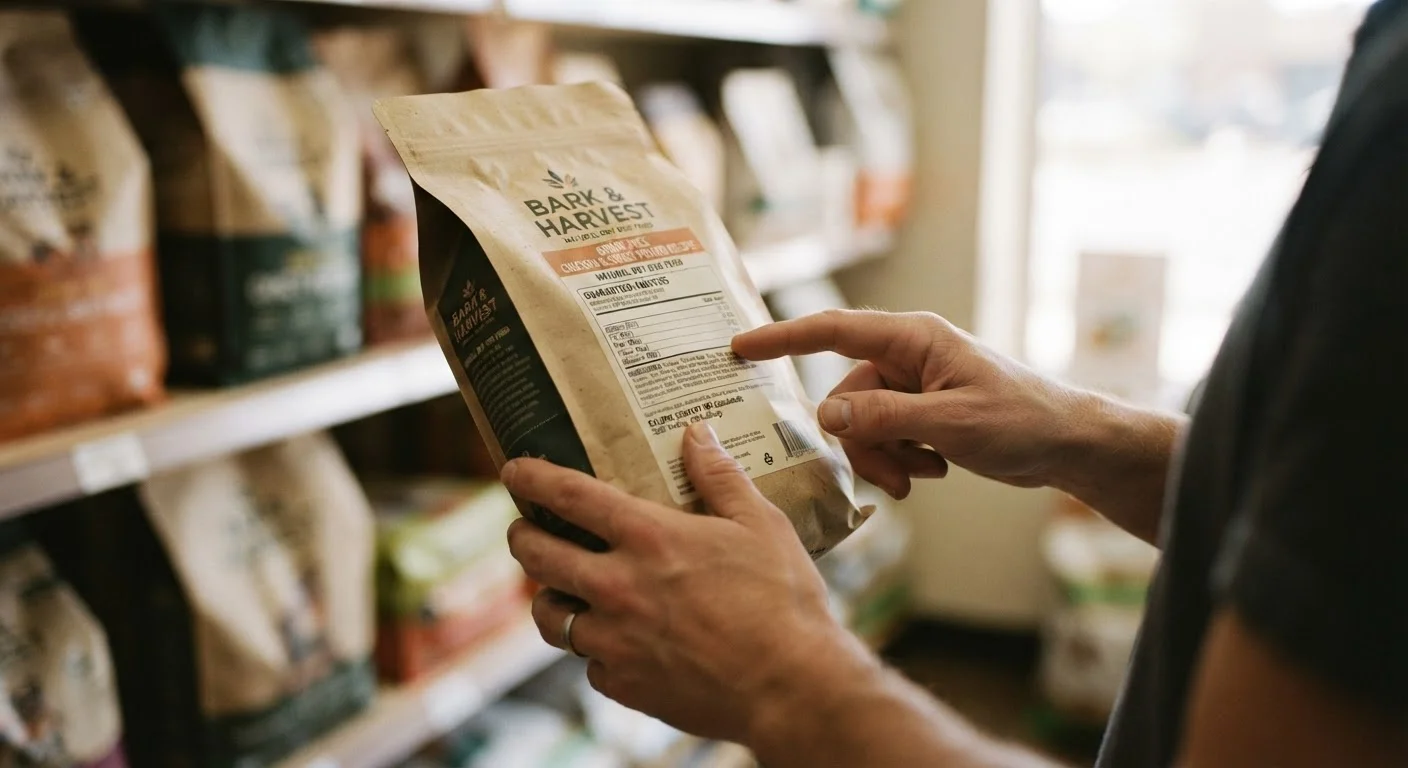
Puppies should eat food labeled for growth or "all life stages" that meets AAFCO nutritional standards. Portion sizes should follow the food's feeding guide, adjusted for your puppy's expected adult weight - not their current weight. Overfeeding a growing puppy, particularly a large breed, can accelerate bone growth in ways that stress developing joints.
For common mistakes new owners make around puppy feeding, visit our guide on new pet owner pitfalls.
Adult Dog Feeding: Consistency Is the Goal
Most dogs reach adulthood between 12 and 18 months of age, though large and giant breeds may not fully mature until age 2. Once a dog is fully grown, their metabolism stabilizes and a simpler feeding routine becomes appropriate.
- Recommended frequency: 2 meals per day, spaced roughly 8-12 hours apart. This supports stable energy levels and digestive health.
- Free feeding (leaving food out all day) is generally not advised for dogs because most will overeat. It also makes it harder to monitor appetite changes, which can be an early sign of illness.
- Portion guidance: Base portions on your dog's current healthy weight and activity level, using the food manufacturer's feeding chart as a starting point. Adjust based on body condition - you should be able to feel (but not prominently see) your dog's ribs.
Food choice matters as much as timing. See our comparison of dry kibble vs. wet food nutritional trade-offs to understand how format affects hydration, dental health, and calorie density.
AAFCO
The Association of American Feed Control Officials, a voluntary membership organization that sets nutritional standards for pet food sold in the United States. Foods meeting AAFCO profiles are considered nutritionally complete for the stated life stage.
Life stage feeding
The practice of adjusting a pet's diet - including food type, calorie content, and meal frequency - to match their current age and developmental phase. Puppies, adults, and seniors have distinct nutritional requirements.
Free feeding
Leaving food available to a pet at all times rather than offering measured meals at set times. While sometimes used for cats, it is generally discouraged for dogs because it can lead to overeating and makes monitoring food intake difficult.
Body condition score
A standardized scale used by veterinarians to assess whether a pet is underweight, at an ideal weight, or overweight, based on visible and tactile evaluation of fat and muscle coverage. Scores typically range from 1 to 9.
Senior Pet Feeding: Adjusting for a Slower Pace
Dogs are generally considered seniors at age 7, though smaller breeds age more slowly than larger ones. Senior pets often experience a decrease in metabolic rate and may develop conditions - such as kidney disease, arthritis, or dental issues - that affect how and what they can comfortably eat.
- Meal frequency: Most seniors do well on 2 meals per day, but some with digestive sensitivities benefit from 3 smaller meals.
- Caloric needs: Many seniors need fewer calories than they did as adults due to reduced activity. However, some senior dogs actually lose weight and may need calorie-dense food - particularly those with chronic illness or dental pain that makes eating difficult.
- Senior-formulated food: Foods marketed for seniors often contain adjusted protein levels, joint-supporting nutrients like glucosamine, and lower phosphorus to ease kidney workload. Whether these are necessary depends on your individual pet's health status - consult your vet before switching.
Regular weigh-ins and veterinary check-ups become even more important at this stage. For a comprehensive look at senior care, including diet, mobility, and vet visit frequency, see our senior pet care guide. You can also find this topic addressed as part of the full picture of responsible pet ownership.
This article provides general educational information about pet feeding practices and is not a substitute for personalized advice from a licensed veterinarian. Always consult your vet before making significant changes to your pet's diet or feeding routine.
The content provided on our blog site traverses numerous categories, offering readers valuable and practical information. Readers can use the editorial team’s research and data to gain more insights into their topics of interest. However, they are requested not to treat the articles as conclusive. The website team cannot be held responsible for differences in data or inaccuracies found across other platforms. Please also note that the site might also miss out on various schemes and offers available that the readers may find more beneficial than the ones we cover.