Dry Kibble vs. Wet Food: Nutritional Trade-Offs for Dogs and Cats

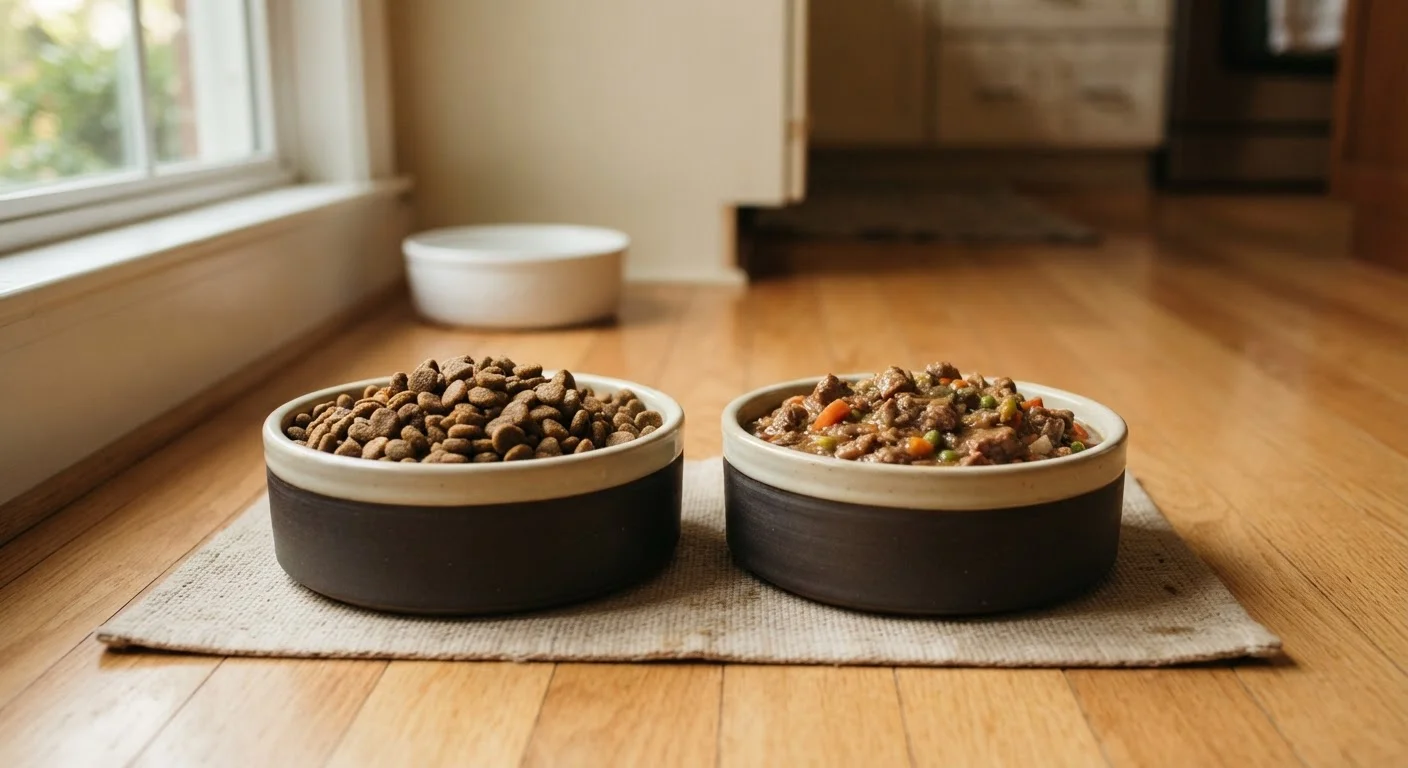
Photo: AnswersVista.com | Trustworthy Information Every Day editorial
Key Takeaways
- Wet food contains roughly 70-80% moisture, significantly boosting hydration compared to kibble's 10% water content.
- Dry kibble generally provides more calories per ounce and is easier to measure, store, and budget for.
- Neither format is universally superior - the right choice depends on your pet's health status, age, and lifestyle.
- Cats in particular benefit from extra dietary moisture due to their naturally low thirst drive.
- Dental health claims around kibble are modest; dedicated dental chews or brushing remain more effective.
- Mixing both formats is a widely used strategy that can balance hydration, palatability, and cost.
How the Two Formats Differ at a Glance
Dry kibble and wet food start from the same nutritional goal - delivering complete and balanced nourishment - but they take very different paths to get there. Understanding those differences helps you match the format to your specific pet's needs rather than defaulting to habit or convenience.
| Criterion | Dry Kibble | Wet Food |
|---|---|---|
| Moisture content | ~10% | 70-80% |
| Caloric density | Higher per volume | Lower per volume |
| Storage convenience | Easy; no refrigeration needed | Requires refrigeration after opening |
| Typical cost per serving | Generally lower | Generally higher |
| Palatability for picky eaters | Variable | Often higher |
| Dental benefit | Modest mechanical cleaning | Minimal to none |
| Suitability for senior or dental-compromised pets | May be difficult to chew | Gentler; easier to eat |
| Hydration support | Low | High |
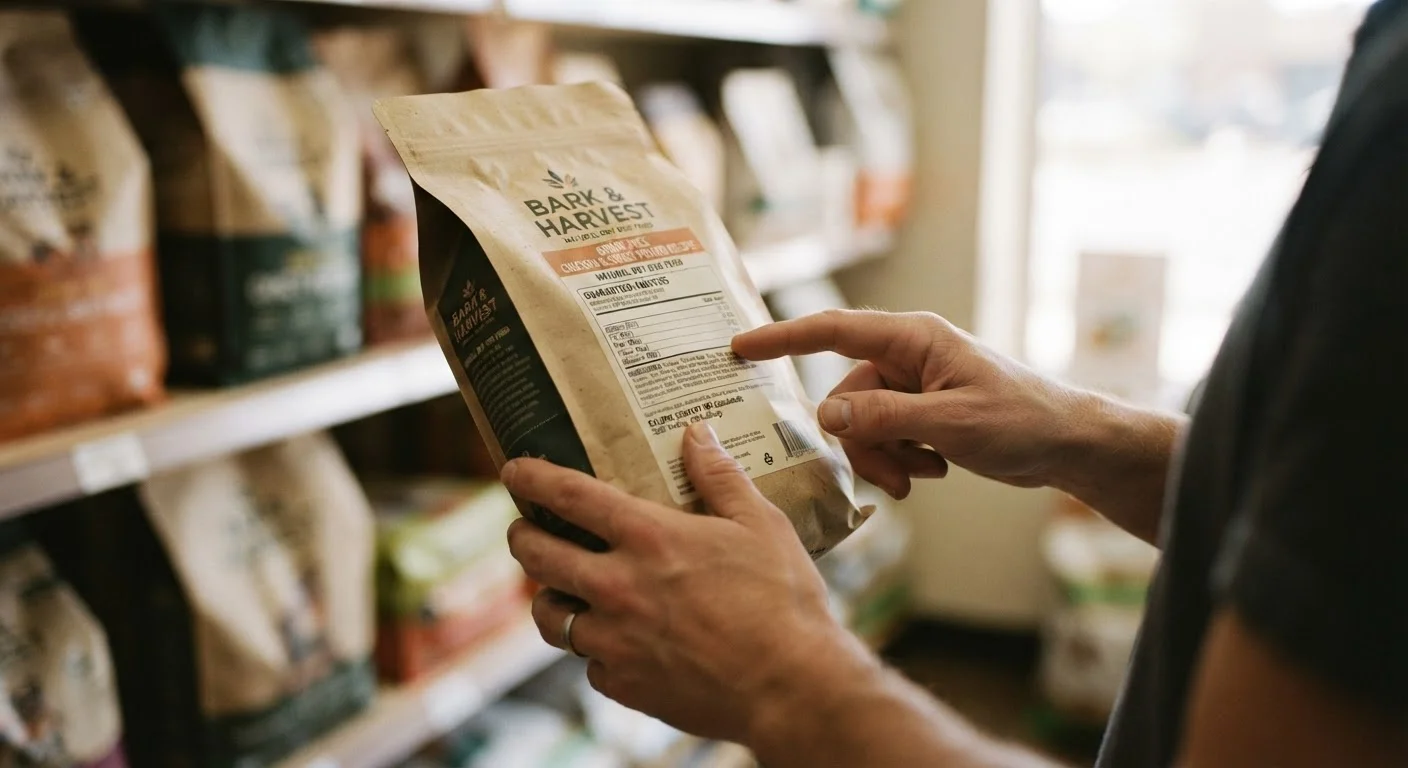
For a deeper dive into how to interpret the numbers on any pet food package, see our guide on reading pet food nutrition facts and comparing pet food labels.
Hydration: Why Moisture Content Matters More Than You Think
One of the sharpest divides between these formats is water content. Dry kibble typically contains around 10% moisture; wet food commonly ranges from 70% to 80%. For dogs, this difference is notable but manageable - most dogs drink enough water to stay adequately hydrated on a kibble-only diet.
For cats, however, the gap is clinically significant. Cats evolved as desert animals with a weak thirst drive, meaning they naturally take in much of their daily water through prey. A cat on an exclusively dry diet may drink more water than one eating wet food, but research suggests it rarely fully compensates for the missing moisture. Chronic low-grade dehydration is associated with higher rates of feline urinary tract problems and kidney disease - two of the most common health concerns in older cats.
70-80%
Moisture content in wet pet food
Compared to roughly 10% in dry kibble, wet food delivers substantially more water per meal, which is particularly relevant for cats.
~58%
Of U.S. pets classified as overweight or obese
According to the Association for Pet Obesity Prevention's annual surveys, excess weight is one of the most common preventable conditions in companion animals.
3x
Higher kidney disease prevalence in cats vs. dogs
Chronic kidney disease is significantly more common in cats, and veterinary nutritionists often cite moisture intake as a relevant dietary factor in disease progression.
This doesn't mean dry food is harmful to cats, but it does mean water intake should be actively monitored. Encouraging cats to drink through water fountains, multiple bowl placements, or wet food supplementation are practical strategies worth discussing with your veterinarian.
Caloric Density, Portion Control, and Weight Management
Dry kibble is calorie-dense by design - removing moisture concentrates the macronutrients into a smaller volume. A cup of kibble typically delivers significantly more calories than the same volume of wet food. This makes accurate measurement essential; eyeballing kibble portions is a common contributor to pet obesity.
Wet food, by contrast, has a lower caloric density per serving due to its high water content. Pets often feel fuller on fewer actual calories, which can make wet food a useful tool for managing weight in animals prone to overeating. That said, cost-per-calorie is typically higher for wet food, so budget planning matters for larger dogs especially.
For guidance on how feeding amounts should shift as your pet ages, our article on feeding schedules across life stages covers puppies through seniors in practical detail.
Dental Health: Separating Fact from Marketing
A widely repeated claim is that dry kibble cleans teeth as pets chew. The evidence here is more limited than the marketing suggests. Most dogs and cats don't chew kibble long enough - or in a way that creates meaningful mechanical cleaning - to significantly reduce tartar buildup. The abrasive effect exists, but veterinary dental organizations generally consider it modest at best.
Wet food, being soft, provides no mechanical scrubbing at all. Neither format substitutes for active dental care. The most effective approaches remain tooth brushing, veterinarian-recommended dental chews, and professional dental cleanings when advised by your vet. Don't let food format choice drive your dental hygiene strategy; it should be a separate, intentional effort.
Explore our pet health hub for broader guidance on preventive care routines for dogs and cats.
This article is for general informational purposes only and does not constitute veterinary advice. Always consult a licensed veterinarian before making significant changes to your pet's diet, especially if your pet has existing health conditions.
The content provided on our blog site traverses numerous categories, offering readers valuable and practical information. Readers can use the editorial team’s research and data to gain more insights into their topics of interest. However, they are requested not to treat the articles as conclusive. The website team cannot be held responsible for differences in data or inaccuracies found across other platforms. Please also note that the site might also miss out on various schemes and offers available that the readers may find more beneficial than the ones we cover.