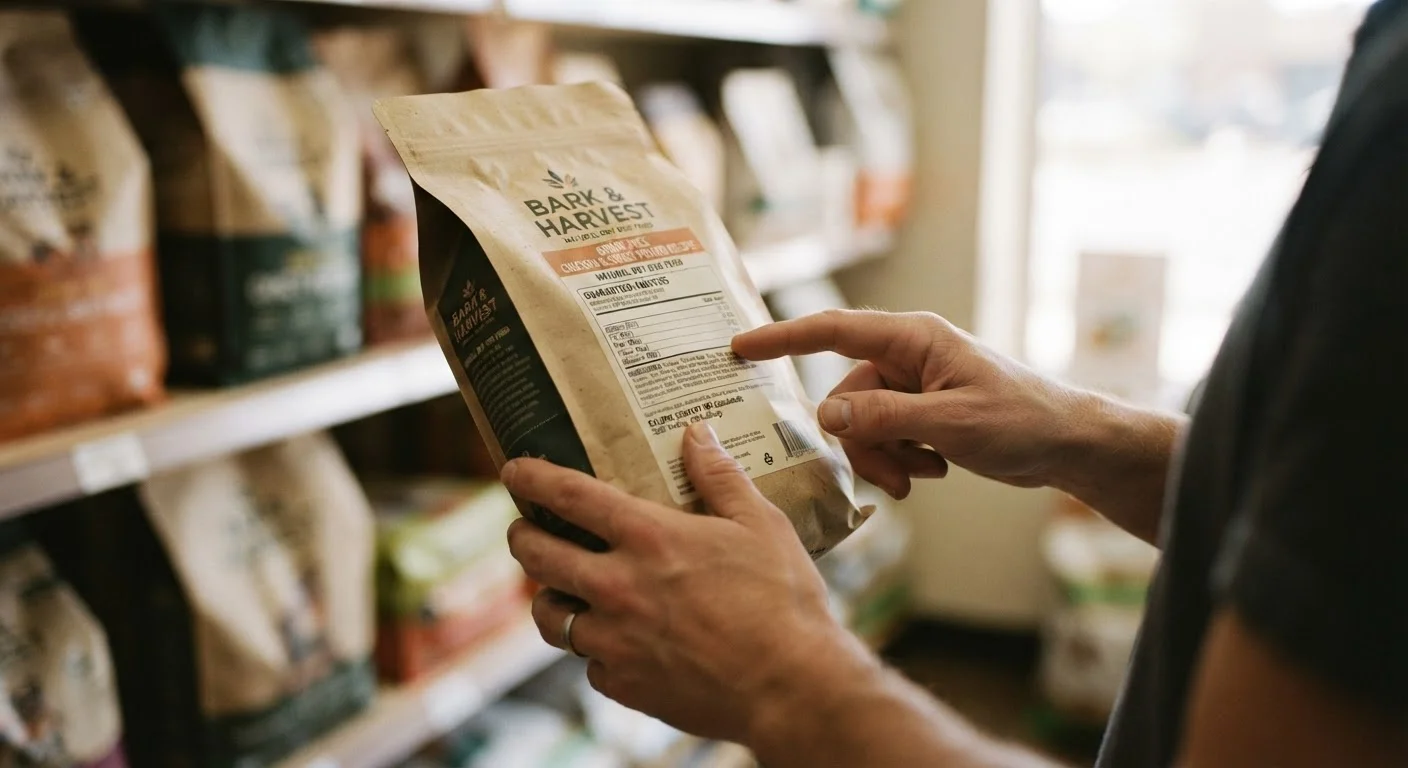
Why Pets Don't Need Supplements in Most Cases


Photo: AnswersVista.com | Trustworthy Information Every Day editorial
Key Takeaways
- Most commercially produced pet foods labeled 'complete and balanced' already meet all established nutritional requirements.
- Giving unsupervised supplements can cause toxicity or create nutrient imbalances that harm your pet.
- Veterinarians may recommend specific supplements for diagnosed conditions, but routine supplementation is rarely needed.
- Marketing language around pet supplements often outpaces the supporting scientific evidence.
- Always consult your veterinarian before adding any supplement to your pet's diet.
The Supplement Boom - and Why Pet Owners Should Pause
Walk through any pet supply store and you'll find shelves lined with vitamins, omega oils, joint chews, probiotic powders, and herbal blends promising healthier, happier animals. The pet supplement market has grown substantially - but demand driven by marketing doesn't always reflect genuine nutritional need.
For most healthy dogs and cats eating a commercially produced food labeled "complete and balanced" - a designation governed by standards set by the Association of American Feed Control Officials (AAFCO) - the foundational nutritional requirements are already met. Adding supplements on top of an already-complete diet isn't topping off a tank; it can mean pushing certain nutrients into excess territory.
This article walks through the most common supplement-related myths, corrects the record with what veterinary nutrition research actually supports, and helps you ask better questions at your next vet visit. For a deeper look at what pet food labels actually tell you, see our guide on reading pet food nutrition labels.
Myth
My pet needs a daily multivitamin, just like I do.
Fact
Pets eating AAFCO-compliant complete-and-balanced diets are already receiving all required vitamins and minerals - extra supplementation is unnecessary and potentially harmful.
Human nutritional logic doesn't translate directly to pets. Our diets are varied and often inconsistent, making supplementation a reasonable hedge. Pet foods formulated to AAFCO standards, however, are precisely calibrated to meet nutrient profiles established through research. Layering a multivitamin on top can push fat-soluble vitamins like A and D into toxic ranges, since these accumulate in body tissue rather than being excreted. Vitamin A toxicity in cats, for example, can cause severe bone and joint damage over time.
Myth
More omega-3s are always better for skin and coat health.
Fact
Omega-3 fatty acids have documented benefits at appropriate doses, but excessive supplementation can impair blood clotting, suppress immune function, and cause gastrointestinal issues.
Fish oil supplements are among the most commonly given to pets, and at veterinarian-recommended doses for specific conditions, they can be genuinely helpful. The problem arises with the assumption that more is better. High doses of omega-3s interfere with platelet aggregation - the process that helps blood clot - which can become dangerous during surgery or after an injury. Dose matters enormously, and the right amount varies by the pet's weight, health status, and diet. This is a calculation best left to your veterinarian.
Myth
Natural or herbal supplements are safe because they're not synthetic.
Fact
"Natural" does not mean safe or effective. Many herbal ingredients can interact with medications, cause organ stress, or have no demonstrated benefit in veterinary studies.
The appeal of natural products is understandable, but the distinction between natural and synthetic has no bearing on safety. Xylitol is natural and acutely toxic to dogs. Several essential oils marketed for pets can cause liver damage in cats. Certain herbal compounds can interfere with anesthesia or prescribed medications. The veterinary evidence base for most herbal pet supplements is also thin - far fewer rigorous clinical trials exist compared to those for human supplements. "Natural" on a label is a marketing term, not a safety certification.
Myth
Joint supplements prevent arthritis in all dogs.
Fact
Glucosamine and chondroitin may support joint health in dogs already showing signs of osteoarthritis, but there is limited evidence they prevent the condition in healthy animals.
Joint chews are one of the most popular pet supplement categories, and the science behind them is genuinely mixed. Some studies suggest modest benefits in managing existing osteoarthritis symptoms in dogs - reduced stiffness, improved mobility. However, the evidence that they prevent joint disease in healthy, young, or low-risk pets is not well established. Starting an otherwise healthy dog on joint supplements based on breed stereotypes or early anxiety isn't supported by current veterinary guidance. Weight management and appropriate exercise have a stronger evidence base for joint health preservation.
Myth
If my pet's coat looks dull, they must need a supplement.
Fact
Coat changes can reflect underlying health issues - including allergies, thyroid dysfunction, or parasites - that supplementation will not address and may obscure.
A dull or thinning coat is a symptom, not a diagnosis. Reaching for a supplement before investigating the cause delays finding - and treating - the actual problem. Skin and coat changes in pets can signal food sensitivities, environmental allergies, hormonal imbalances, or external parasites. Adding an omega supplement may cosmetically improve coat appearance temporarily while an underlying condition goes undiagnosed. See our article on managing pet allergies for more on how vets differentiate these causes. A veterinary exam is always the right first step.
When Supplements Are Appropriate - and When They're Not
None of this means supplements are universally harmful or useless. Veterinarians do prescribe them - but for specific, diagnosed needs, not as a general wellness strategy.
Supplements Can Cause Real Harm Without Vet Guidance
Common legitimate uses include joint support (glucosamine and chondroitin) for dogs with confirmed osteoarthritis, omega-3 fatty acids for pets with certain skin or inflammatory conditions, and B-vitamin or iron supplementation following illness-related deficiency. In each case, the supplement fills a documented gap or supports a treatment plan.
What isn't supported by current evidence is the blanket supplementation of healthy pets eating balanced diets. Adding a human-grade multivitamin or high-dose fish oil without guidance doesn't make a healthy pet healthier - and it may introduce risk. This pattern of well-intentioned overcorrection is one of the most common new-pet-owner pitfalls vets see.
70%+
Pet supplement claims lacking robust clinical evidence
Veterinary nutrition researchers have noted that the majority of health claims on pet supplement labels are not supported by peer-reviewed clinical trials in target species.
$700M+
Estimated annual U.S. pet supplement market size
Industry market analyses consistently place the U.S. pet supplement sector in the hundreds of millions of dollars, reflecting consumer demand that outpaces the supporting science.
If you're concerned about your pet's coat, energy levels, or digestion, those observations are worth raising with your veterinarian - they may point to an underlying health issue rather than a nutritional gap. Our overview of pet health assumptions vets frequently correct covers related misconceptions. Your vet can run bloodwork and dietary analysis to determine whether supplementation is warranted and at what dose. For broader context on keeping your pet healthy, visit our Pet Health hub.
This article is for general informational purposes only and is not a substitute for professional veterinary advice. Always consult a licensed veterinarian before making changes to your pet's diet or adding any supplement.
The content provided on our blog site traverses numerous categories, offering readers valuable and practical information. Readers can use the editorial team’s research and data to gain more insights into their topics of interest. However, they are requested not to treat the articles as conclusive. The website team cannot be held responsible for differences in data or inaccuracies found across other platforms. Please also note that the site might also miss out on various schemes and offers available that the readers may find more beneficial than the ones we cover.