
Pet Health

Mistakes That Can Delay a Pet's Recovery After Surgery or Illness

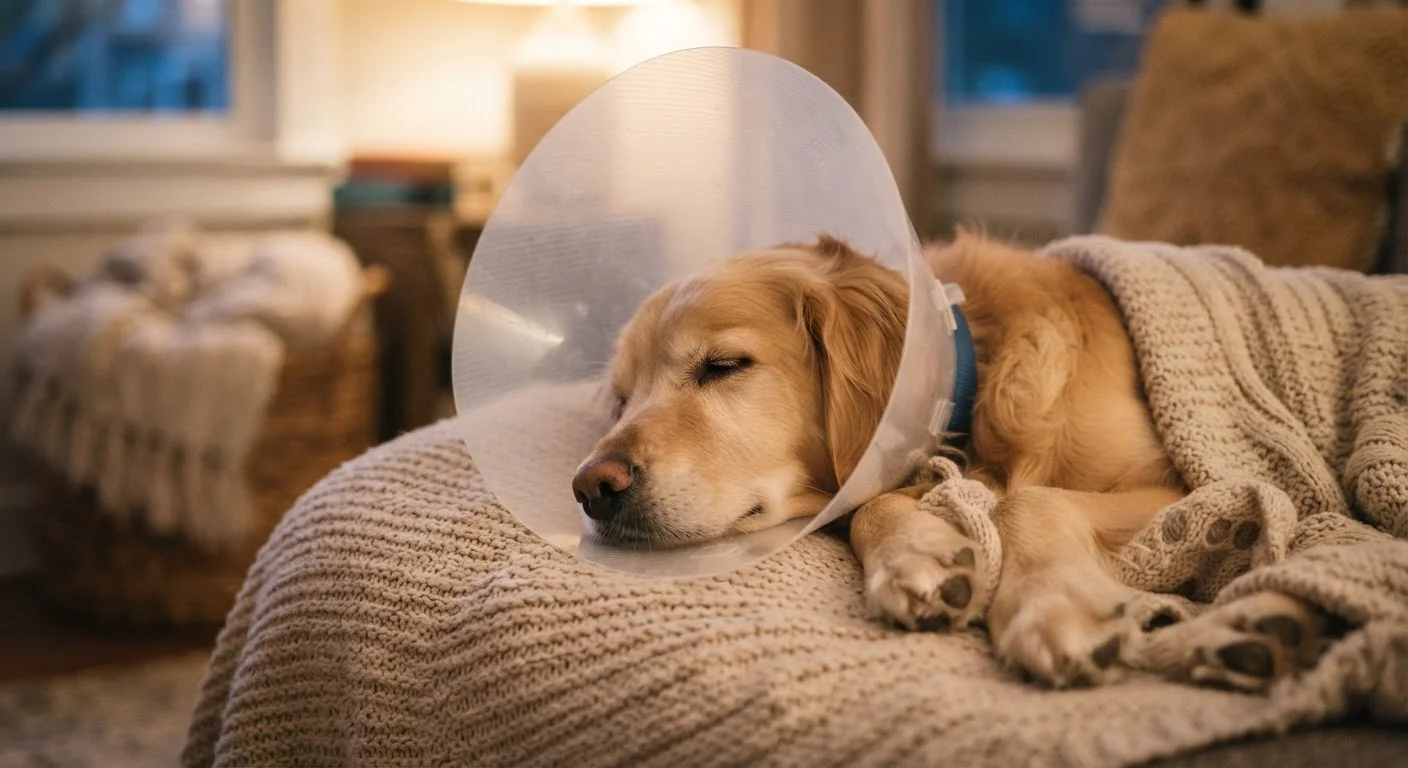
Mistakes That Can Delay a Pet's Recovery After Surgery or Illness

Photo: AnswersVista.com | Trustworthy Information Every Day editorial

Well-meaning actions — like letting a pet exercise too soon or skipping medications — can slow healing. Here's what to watch out for during recovery.

Key Takeaways

  • Allowing activity too soon after surgery is one of the most common reasons healing is delayed.
  • Skipping or stopping prescribed medications early can cause setbacks or complications.
  • Letting a pet lick or chew a wound significantly increases infection risk.
  • Follow-up vet appointments are essential, even when a pet appears to be recovering well.
  • Diet and rest quality during recovery matter as much as any prescribed treatment.

Why Recovery Mistakes Are So Easy to Make

When a pet comes home after surgery or a serious illness, the hardest part can feel like it's over. In reality, the recovery period is when many complications develop — often because of choices that seem perfectly reasonable at the time. Most mistakes aren't caused by neglect; they stem from normal impulses like wanting your pet to feel comfortable, normal, and loved.

Understanding where things commonly go wrong puts you in a much stronger position to support your pet through healing. If you're still watching for early signs that something is off, our guide on recognizing symptoms that warrant a vet visit can help you calibrate what to watch for during recovery.

1

Allowing too much physical activity too soon after surgery or illness.

Why it happens: When a pet seems energetic and like their old self, owners naturally assume healing is complete. A wagging tail or playful behavior can be misleading — internal healing takes far longer than outward appearances suggest.
How to avoid: Follow your vet's activity restrictions precisely, including leash-only walks and crate rest if prescribed. Ask for specific milestones — such as suture removal or a follow-up exam — before gradually reintroducing activity.
2

Stopping prescribed medications early because the pet seems better.

Why it happens: Owners often interpret visible improvement as full recovery. Antibiotics and anti-inflammatory medications especially are frequently discontinued once symptoms ease, which can allow infections to return or pain to flare.
How to avoid: Complete every prescription as directed, even if your pet appears fully recovered. If side effects are a concern, call your vet rather than stopping medication on your own.
3

Allowing the pet to lick, chew, or scratch the surgical site or wound.

Why it happens: Licking is a natural self-soothing behavior, and many owners believe — incorrectly — that it aids healing. Removing a cone or protective covering to give the pet a break is a common, well-intentioned error.
How to avoid: Keep the cone (Elizabethan collar) or protective garment on at all times unless a vet has cleared its removal. Saliva introduces bacteria to wounds and can pull out sutures. If your pet is extremely distressed by the cone, ask your vet about alternative protective options.
4

Skipping or delaying scheduled follow-up appointments.

Why it happens: Once a pet seems comfortable at home, return visits can feel unnecessary or inconvenient. Owners may assume that no visible problems means nothing needs checking.
How to avoid: Attend every post-operative or post-illness follow-up appointment as scheduled. Vets use these visits to check for complications — like internal swelling, infection, or healing delays — that aren't obvious to the untrained eye.
5

Changing the pet's diet or offering rich treats during recovery without veterinary guidance.

Why it happens: Owners want to comfort a recovering pet and may offer extra treats or richer foods as a reward for good behavior. This is especially common after procedures where the pet had reduced appetite.
How to avoid: Stick to the diet your vet recommends for the recovery phase. Some procedures or medications require specific nutritional considerations. If appetite is a concern, ask your vet about approved ways to encourage eating.
6

Assuming no news from the vet means everything is on track.

Why it happens: Pet owners sometimes wait for the clinic to reach out if something is wrong, rather than proactively reporting changes at home. Communication gaps can allow treatable complications to worsen.
How to avoid: If you notice any changes — swelling, discharge, changes in appetite, unusual behavior, or increased pain signals — contact your vet promptly rather than waiting for the next scheduled visit. You are your pet's most important observer during recovery.

Supporting Real Recovery at Home

Good at-home care during recovery is less about doing more and more about doing the right things consistently. Rest, a calm environment, proper nutrition, and faithful medication schedules form the foundation. Resist the urge to give your pet extra freedom before your vet explicitly says it's appropriate — even when they seem energetic and eager.

Watch for These Post-Recovery Red Flags

Contact your vet immediately if you notice: excessive swelling, redness, or discharge around a wound; sudden changes in appetite or energy level; labored breathing; or signs of significant pain such as whimpering, reluctance to move, or aggression when touched. These can indicate complications that require prompt professional attention.

Keep a simple recovery log: note medication times, food and water intake, wound appearance, and any behavioral changes. This record becomes invaluable at follow-up appointments and helps you spot subtle trends that might otherwise go unnoticed. Our overview of at-home habits that support your vet's work covers complementary routines to build into your daily care.

If you're ever unsure whether a symptom is part of normal healing or a warning sign, contact your veterinarian. Recovery timelines vary by procedure, species, age, and individual health status — your vet's guidance for your specific pet always takes priority over general advice.

This article is for general informational purposes only and does not constitute veterinary medical advice. Always consult a licensed veterinarian regarding your pet's health, medications, and care plan.

Pets Editorial Team

AnswersVista.com | Trustworthy Information Every Day

Pets Editorial Team is the collective byline for our editorial team and contributor network. Articles published under this byline or an editorial pen name are researched, written, and reviewed according to our editorial standards for clarity, consistency, and independence before publication.

Pet HealthPet TrainingPet Care Basics
View author profile

The content provided on our blog site traverses numerous categories, offering readers valuable and practical information. Readers can use the editorial team’s research and data to gain more insights into their topics of interest. However, they are requested not to treat the articles as conclusive. The website team cannot be held responsible for differences in data or inaccuracies found across other platforms. Please also note that the site might also miss out on various schemes and offers available that the readers may find more beneficial than the ones we cover.