Signs Your Pet May Be Unwell: Symptoms That Warrant a Vet Visit

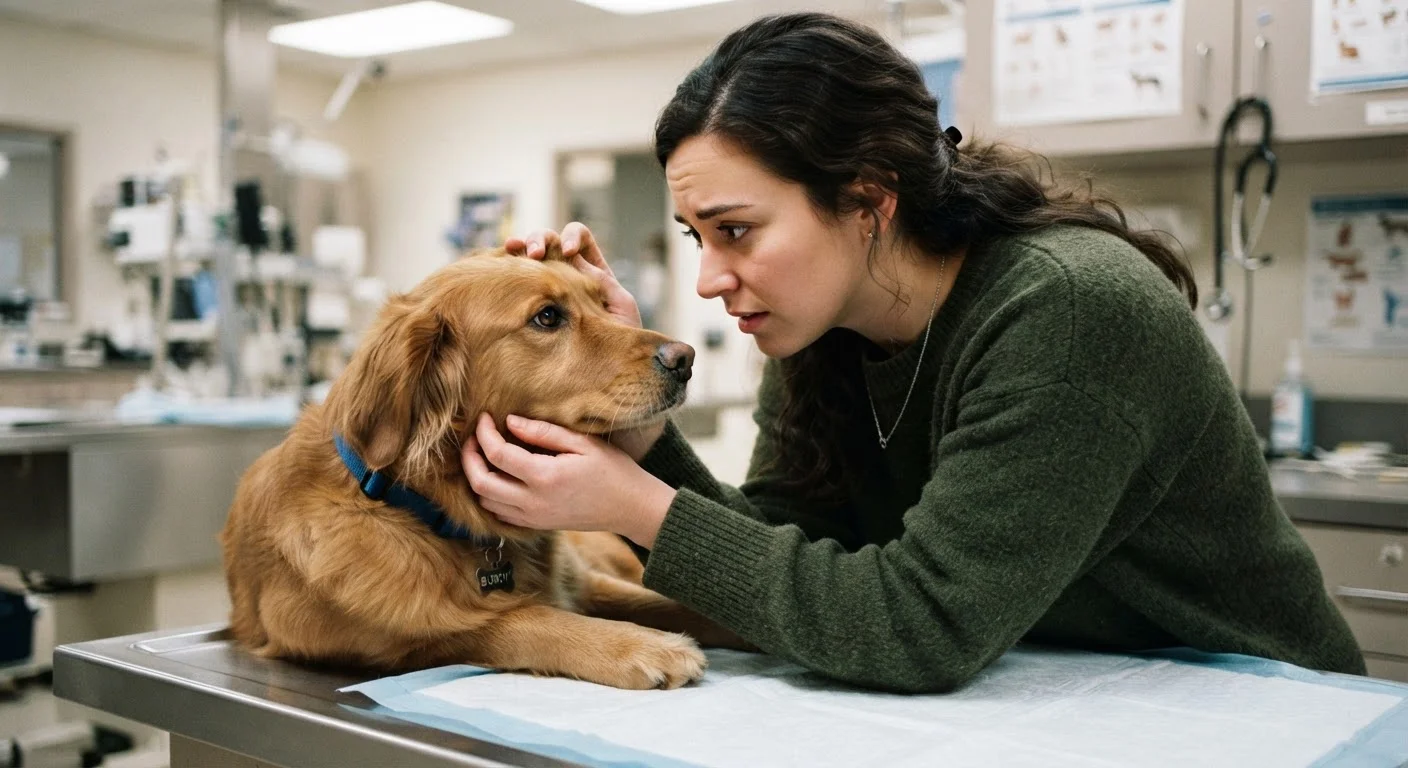
Photo: AnswersVista.com | Trustworthy Information Every Day editorial
Key Takeaways
- Changes in appetite, energy, or elimination habits are among the earliest warning signs of illness.
- Some symptoms - like difficulty breathing or seizures - require emergency veterinary care immediately.
- Behavioral shifts, not just physical ones, can signal that something is wrong with your pet.
- When in doubt, calling your vet for guidance is always the right first step.
- Regular at-home monitoring makes it easier to notice when something is genuinely off.
Why Recognizing Symptoms Early Matters
Pets can't tell you when they feel sick. What they can do is show you - through changes in behavior, appetite, posture, and daily habits. The challenge for owners is distinguishing a minor off-day from a sign that something more serious is developing.
This checklist is designed to help you monitor your pet's health with more confidence. It covers the most clinically significant warning signs that veterinarians commonly cite as reasons to schedule an appointment - or seek urgent care. For a broader foundation of daily habits that support early detection, see our guide on at-home pet health habits that complement your vet's work.
Use this list as a reference, not a replacement for professional care. If a symptom concerns you, always contact your veterinarian - even if you're unsure whether it qualifies as an emergency.
Certain Symptoms Require Emergency Care
Tools and Resources You'll Need
You don't need much to use this checklist effectively - just attentiveness and a few basic items to support accurate observation at home.
Digital pet thermometer
Used to measure your pet's rectal temperature - normal is generally 101-102.5°F for dogs and cats, though your vet can confirm species-specific ranges.
Notebook or pet health log
Record the date, duration, and description of any symptoms you observe to share accurate information with your vet.
Smartphone with camera
Capture short video clips of unusual symptoms like limping, labored breathing, or seizure activity to share with your veterinarian.
Veterinarian contact information
Keep your vet's phone number and the nearest emergency animal hospital number readily accessible for quick consultation.
Pet scale
Weigh your pet monthly to detect unexplained weight loss or gain, which can be an early indicator of underlying health issues.
Symptom Checklist: Signs to Watch For
Work through these categories regularly, not just when you suspect a problem. The goal is to know your pet's normal baseline so that deviations stand out clearly. If you're noticing pain-related cues specifically, our companion article on signs your pet may be in pain goes deeper on behavioral and physical discomfort signals.
Appetite and Thirst
Energy and Behavior
Digestive and Elimination
Respiratory and Cardiovascular
Skin, Coat, and Eyes
Mobility and Neurological Signs
Don't Dismiss 'Mild' Symptoms Too Quickly
Behavioral changes can be especially easy to miss or dismiss. Our guide to reading your pet's body language can help you interpret subtle shifts in posture, ear position, and movement that may indicate distress.
What to Do When You Spot a Symptom
If your pet shows one or more of the signs above, your first step is a call to your veterinarian. Describe the symptom clearly - when it started, how often it occurs, and whether anything else has changed. This helps the vet triage the situation over the phone and decide whether you need a same-day appointment, an ER visit, or watchful waiting at home.
Avoid searching for diagnoses online and self-treating based on those results. Many symptoms overlap across multiple conditions, and the wrong intervention can delay appropriate care or cause harm. New owners especially may benefit from reviewing common new pet owner pitfalls - including the tendency to underestimate early symptoms.
For a complete picture of what a veterinary visit involves, our article on annual vet visits explains the wellness exam process and how to prepare. And for deeper guidance across all aspects of pet wellness, visit our Pet Health hub.
This article is for general informational and educational purposes only and is not a substitute for professional veterinary advice, diagnosis, or treatment. Always consult a licensed veterinarian regarding your pet's health or any symptoms you observe.
The content provided on our blog site traverses numerous categories, offering readers valuable and practical information. Readers can use the editorial team’s research and data to gain more insights into their topics of interest. However, they are requested not to treat the articles as conclusive. The website team cannot be held responsible for differences in data or inaccuracies found across other platforms. Please also note that the site might also miss out on various schemes and offers available that the readers may find more beneficial than the ones we cover.