
Annual Vet Visits: What Happens, What to Expect, and Why They Matter

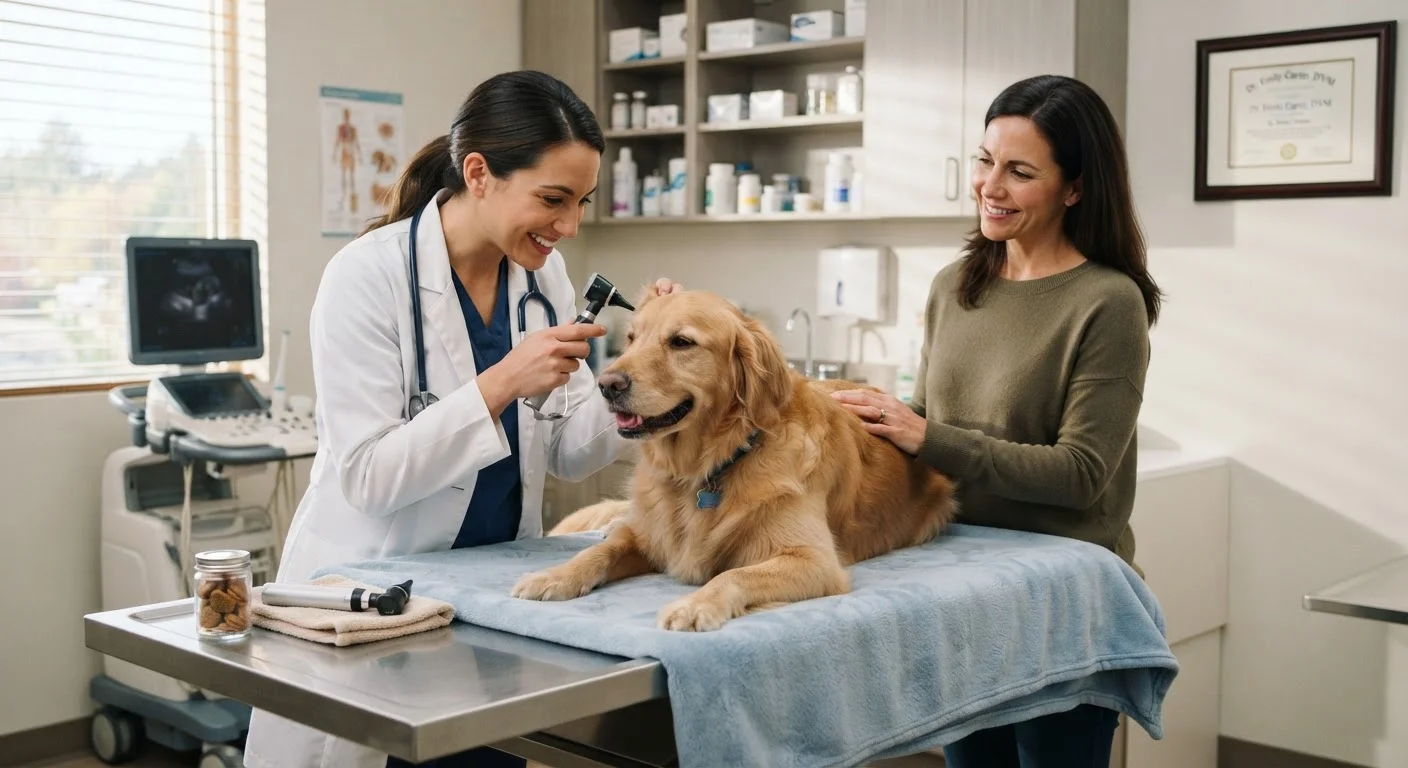
Photo: AnswersVista.com | Trustworthy Information Every Day editorial
Key Takeaways
- Annual wellness exams catch health problems before symptoms become obvious or serious.
- A routine checkup typically includes a full physical, weight assessment, and vaccine review.
- Vets use yearly visits to update parasite prevention and discuss diet, behavior, and dental care.
- Senior pets and young animals often need more frequent exams than once a year.
- Preparing questions and observations before the visit helps you get the most from the appointment.
What Actually Happens During a Routine Exam
Walk into any veterinary clinic for a wellness visit and the appointment follows a fairly consistent structure, though the specifics vary by practice and species. Here's what to expect from start to finish.
Check-in and weight measurement. Before you see the vet, a technician will weigh your pet and record vital signs - heart rate, respiratory rate, and temperature. Weight change is one of the most telling early health indicators, which is why it's measured at every visit.
Head-to-tail physical examination. The veterinarian will systematically assess the entire body: eyes for clarity and discharge, ears for infection or mites, teeth and gums for tartar buildup and gum disease, lymph nodes for swelling, the heart and lungs via stethoscope, the abdomen by gentle palpation, skin and coat condition, and limb mobility. This physical takes roughly 10-15 minutes but is the backbone of preventive care. For more on dental and ear health, see our article on routine pet health pillars.
Vaccine and parasite review. The vet will check which vaccines are current and recommend any that are due. They'll also discuss flea, tick, and heartworm prevention - especially important if your pet spends time outdoors. Parasite prevention is a year-round concern in most U.S. climates.
Discussion and owner Q&A. This is your time. Bring up any changes in appetite, thirst, bathroom habits, energy, or behavior. The vet may also ask about your pet's diet, activity level, and environment. Don't leave without asking anything that's been on your mind - the appointment exists for exactly this purpose.
Prepare a Short List Before You Go
Why Annual Exams Matter More Than They Might Seem
It's easy to skip a yearly appointment when your pet seems perfectly fine. But animals - especially cats - are instinctively good at masking discomfort, and many conditions develop silently for months before any visible sign appears.
“The annual physical examination is the cornerstone of preventive veterinary medicine. It allows us to detect disease in its earliest, most treatable stages - often before the owner has noticed any change at home.”
— American Veterinary Medical Association, National professional organization representing licensed veterinarians in the United States
Consider dental disease: studies in veterinary medicine consistently show that a significant majority of cats and dogs over age three show some signs of periodontal disease, yet most owners report no obvious symptoms. The same is true of early-stage kidney disease, thyroid disorders, and certain tumors - all of which a vet can begin to detect through physical findings or simple bloodwork before a pet appears unwell.
The annual exam is also where your pet's health history gets updated. That longitudinal record - weight trends, previous findings, vaccine history - is what allows a vet to notice something has changed. A single isolated number means little; a number that has drifted over three years tells a story.
If your pet shows signs that concern you between scheduled visits, don't wait. Our guide on symptoms that warrant a vet visit can help you determine what needs prompt attention.
How Needs Change Across Life Stages
A once-a-year schedule works as a general rule for healthy adult pets, but it isn't one-size-fits-all. Life stage matters considerably.
Puppies and kittens require a series of visits in their first year - typically every three to four weeks between six and sixteen weeks of age - to complete their initial vaccine series and monitor rapid development. Spay or neuter timing is also discussed during this period. See our article on spaying and neutering for a vet-informed look at what that decision involves.
Healthy adult pets (roughly one to seven years for most dogs and cats) generally do well with annual wellness exams, barring any ongoing health conditions that require more frequent monitoring.
Senior pets - typically considered those over seven years old, though this varies by species and size - often benefit from biannual exams. Organ function, joint health, and cognitive changes can shift more quickly in older animals, making more frequent monitoring valuable. Our guide on senior pet care covers how care evolves as animals age.
Exam Frequency Varies by Individual Pet
Between appointments, maintaining consistent at-home health habits - coat checks, monitoring food and water intake, observing bathroom patterns - can help you notice changes early and give your vet useful information. Our article on at-home pet health habits outlines what a practical routine looks like.
This article is for general informational purposes only and is not a substitute for professional veterinary advice. Always consult a licensed veterinarian about your specific pet's health needs.
Frequently Asked Questions
The content provided on our blog site traverses numerous categories, offering readers valuable and practical information. Readers can use the editorial team’s research and data to gain more insights into their topics of interest. However, they are requested not to treat the articles as conclusive. The website team cannot be held responsible for differences in data or inaccuracies found across other platforms. Please also note that the site might also miss out on various schemes and offers available that the readers may find more beneficial than the ones we cover.