
Spaying vs. Neutering: Understanding the Procedures and Their Health Implications

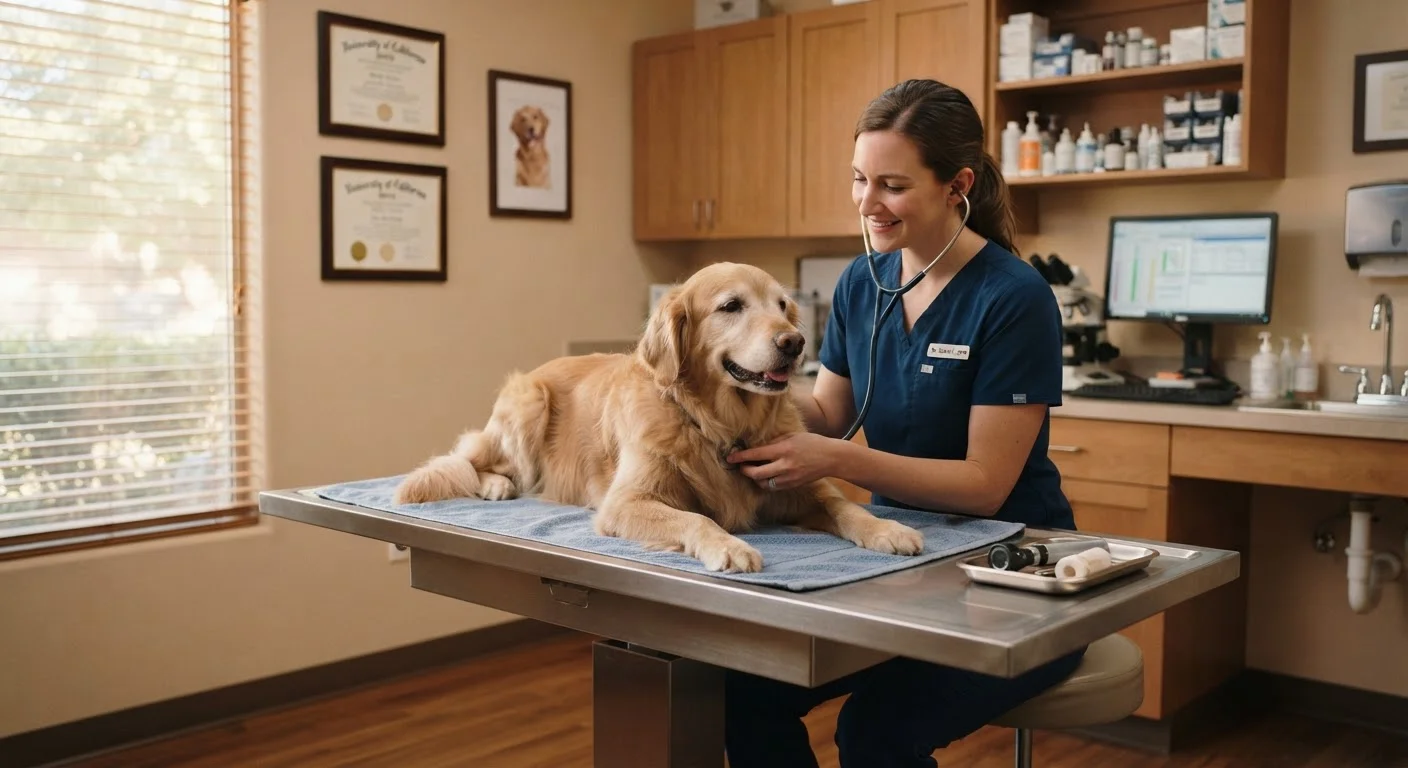
Photo: AnswersVista.com | Trustworthy Information Every Day editorial
Key Takeaways
- Spaying removes a female pet's ovaries and usually the uterus; neutering removes a male pet's testes.
- Both procedures prevent reproduction and can reduce certain hormone-related health risks.
- Timing recommendations vary by species, breed, and individual health factors - always discuss with your vet.
- Neutering is generally a shorter, less invasive surgery than spaying, with a quicker recovery.
- Neither procedure is without potential trade-offs; research on long-term health effects continues to evolve.
- A veterinarian is the most reliable resource for deciding what's right for your specific pet.
What Each Procedure Actually Involves
The terms spaying and neutering are both forms of surgical sterilization, but they differ in anatomy, surgical complexity, and recovery time.
Spaying - formally called an ovariohysterectomy - involves the removal of a female animal's ovaries and, in most cases performed in the United States, the uterus as well. This requires entry into the abdominal cavity, making it a more involved surgery than neutering. Some veterinarians now also perform an ovariectomy, removing only the ovaries, which current evidence suggests may be equally effective for sterilization while being slightly less invasive. Recovery typically takes one to two weeks, with activity restriction during that period.
Neutering - also called castration - involves the surgical removal of both testes in a male animal. It is generally performed through a small scrotal or pre-scrotal incision and does not require abdominal entry, which makes it a shorter, less complex procedure with a faster recovery. Most male dogs and cats are back to their normal behavior within a few days.
Both surgeries are performed under general anesthesia. Discussing your pet's overall health and anesthetic risk with your veterinarian beforehand is a standard part of pre-surgical care. You can learn more about what those conversations typically look like during a routine vet wellness exam.
Health Implications: What the Evidence Shows
Both procedures carry well-documented health benefits, but veterinary researchers have also identified some potential trade-offs - particularly related to timing and breed size. It's important to approach this with nuance rather than treating sterilization as a one-size-fits-all decision.
| Criterion | Spaying | Neutering |
|---|---|---|
| Patient sex | Female | Male |
| Organs removed | Ovaries (and usually uterus) | Testes |
| Surgical complexity | More involved; abdominal entry | Less invasive; no abdominal entry |
| Typical recovery time | 1-2 weeks | A few days to 1 week |
| Eliminates heat cycles | Yes | Not applicable |
| Reduces urine marking/roaming | Minimally | Often, though not guaranteed |
| Eliminates pyometra risk | Yes | Not applicable |
| Eliminates testicular cancer risk | Not applicable | Yes |
| Timing complexity (large breeds) | More nuanced; varies by breed | More nuanced; varies by breed |
Known Benefits
- Spaying eliminates the risk of pyometra, a severe uterine infection that can be fatal if untreated and is relatively common in older intact females. It also removes the possibility of ovarian or uterine cancers.
- Neutering eliminates the risk of testicular cancer and can reduce the likelihood of certain prostate conditions in male dogs.
- Both procedures prevent reproductive cancers specific to the removed organs and reduce the population of homeless pets - a meaningful public health consideration.
Areas of Ongoing Research
Studies - particularly in dogs - have explored whether sterilization timing may influence rates of certain orthopedic conditions (such as cranial cruciate ligament tears) and some cancers (such as hemangiosarcoma and osteosarcoma) in specific breeds. The findings are not uniform across breeds or sexes, and the research continues to evolve. This is why many veterinarians now tailor their recommendations rather than applying a single universal guideline.
~90%
Intact females at risk for pyometra by age 10
Veterinary estimates suggest a significant proportion of unspayed female dogs will develop pyometra if they remain intact into older age, based on retrospective clinical data.
Up to 7x
Higher mammary tumor risk in unspayed females
Some veterinary sources cite substantially elevated mammary tumor rates in intact female dogs compared to those spayed before their first heat cycle, though estimates vary by study.
For cats, the evidence is more straightforward: early spaying and neutering is widely supported in veterinary practice and carries fewer documented breed-specific complications than in large-breed dogs.
For guidance on planning the financial side of veterinary care, including surgeries, see our overview of how pet owners approach vet costs.
Timing: Why It's Not One-Size-Fits-All
Historically, veterinarians in the United States commonly recommended spaying or neutering dogs and cats around six months of age. That guideline remains common for many cats and small-breed dogs, but recommendations for large- and giant-breed dogs have become more individualized in recent years.
For large breeds (such as Labrador Retrievers, Golden Retrievers, and Rottweilers), some research has suggested potential benefits to waiting until the animal reaches skeletal maturity - often between 12 and 24 months - before sterilizing. The thinking is that sex hormones play a role in growth plate closure and musculoskeletal development. However, waiting also carries its own trade-offs, including the ongoing risk of pyometra in females and unintended breeding.
For cats and small- to medium-breed dogs, earlier sterilization (often between 4 and 6 months) is generally considered safe and effective by most veterinary organizations.
Your veterinarian is best positioned to weigh your pet's breed, sex, lifestyle, and health history together. These decisions are worth revisiting as your pet ages - something that senior pet care planning also reflects as health needs change over time.
This article provides general educational information about veterinary procedures and is not a substitute for personalized advice from a licensed veterinarian. Always consult your vet before making decisions about your pet's health or surgical care.
The content provided on our blog site traverses numerous categories, offering readers valuable and practical information. Readers can use the editorial team’s research and data to gain more insights into their topics of interest. However, they are requested not to treat the articles as conclusive. The website team cannot be held responsible for differences in data or inaccuracies found across other platforms. Please also note that the site might also miss out on various schemes and offers available that the readers may find more beneficial than the ones we cover.