
Pet Insurance vs. a Dedicated Savings Account: How Owners Think Through Vet Costs

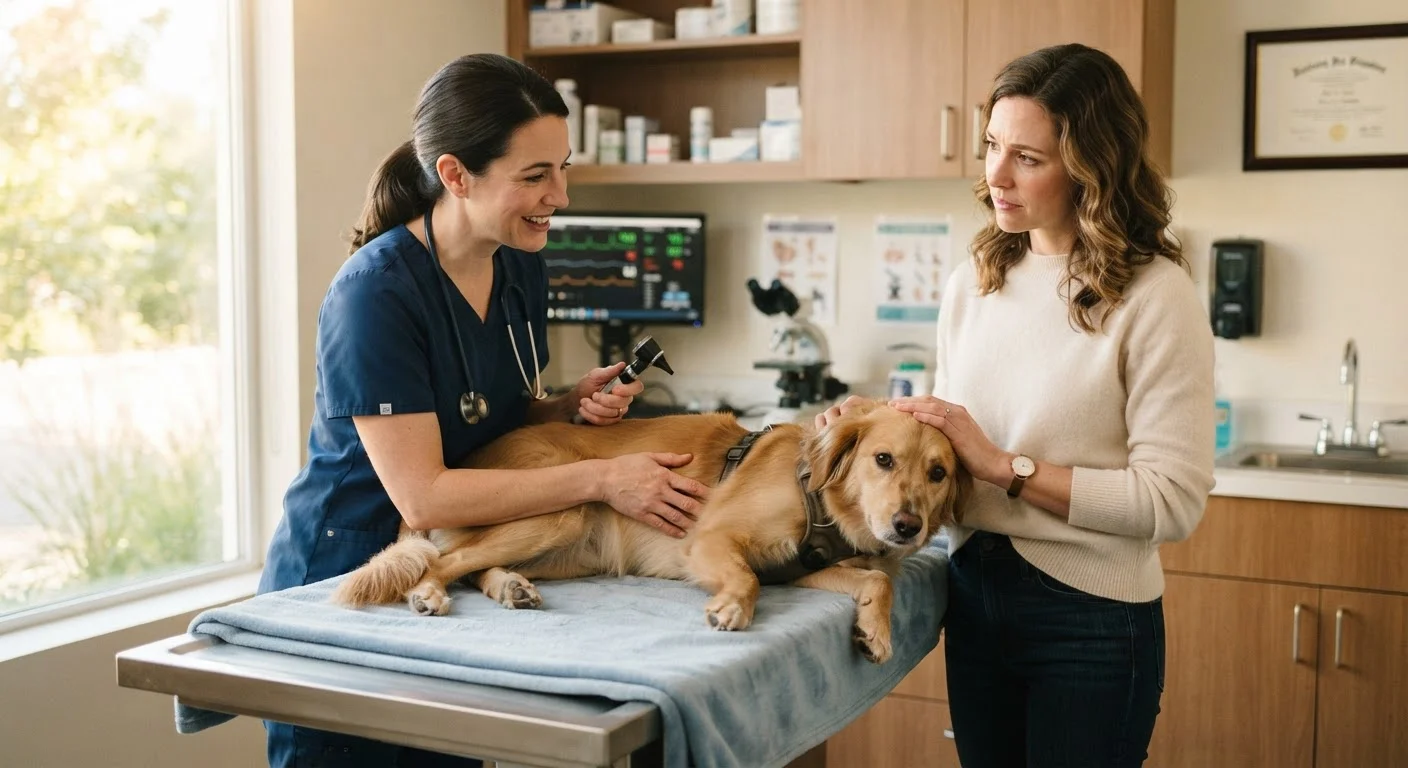
Photo: AnswersVista.com | Trustworthy Information Every Day editorial
Key Takeaways
- Pet insurance shifts financial risk to an insurer but involves monthly premiums, deductibles, and exclusions that vary widely by policy.
- A dedicated savings account keeps money in your control but requires consistent contributions before a crisis occurs.
- Pre-existing conditions are almost universally excluded from pet insurance policies, making timing of enrollment important.
- Senior pets and certain breeds carry higher insurance premiums, sometimes making self-funding more cost-effective.
- Many owners combine both strategies - insuring against catastrophic costs while saving for routine and moderate expenses.
- Neither approach is universally better; the right choice depends on your pet's health profile, your finances, and your risk tolerance.
Why This Decision Matters More Than Most Owners Expect
Veterinary care in the United States has grown significantly more sophisticated - and more expensive - over the past two decades. Emergency surgery, cancer treatment, and advanced diagnostics can now run into thousands of dollars for a single episode. According to the American Pet Products Association, Americans spend tens of billions of dollars annually on veterinary care, and that figure continues to rise.
Yet many pet owners don't think seriously about how they'll fund an unexpected bill until one arrives. The two most common strategies - purchasing pet insurance or building a dedicated savings fund - each have genuine merits and real drawbacks. Understanding how they actually work is the starting point for making a choice that fits your situation. For a broader view of what responsible ownership entails, see the full picture of responsible pet ownership.
| Criterion | Pet Insurance | Dedicated Savings Account |
|---|---|---|
| Monthly cost | Fixed premium (varies by plan) | Whatever you choose to deposit |
| Coverage for pre-existing conditions | Typically excluded | No exclusions - covers anything |
| Available immediately | Yes, after waiting periods | Only what has been saved so far |
| Money retained if unused | No - premiums are non-refundable | Yes - balance stays yours |
| Cost as pet ages | Premiums typically increase | Contribution rate stays in your control |
| Claims process required | Yes - upfront payment then reimbursement | No - use funds directly |
| Protection against catastrophic bills | Strong, up to policy limits | Limited to what's been saved |
| Earns interest | No | Yes, in a high-yield account |
How Pet Insurance Actually Works
Pet insurance operates similarly to human health insurance in structure but with some important differences. You pay a monthly premium, and when your pet receives covered care, you typically pay the bill upfront, then submit a claim for reimbursement - minus your deductible and any co-insurance percentage. Policies vary widely in what they cover: accident-only plans are the most limited, while comprehensive accident-and-illness plans cover a much broader range of conditions.
The most critical detail most owners overlook is the pre-existing condition exclusion. Nearly all insurers will not cover conditions that existed before the policy's start date - and some exclude conditions that appeared during a waiting period after enrollment. This makes the timing of when you purchase insurance genuinely important. A pet diagnosed with diabetes, a heart murmur, or hip dysplasia before enrollment will almost certainly have those conditions permanently excluded.
Premiums are also not fixed for life. They typically increase as your pet ages and may vary by breed, species, location, and the coverage level you select. It's worth reading any policy's fine print carefully and comparing annual benefit caps, reimbursement percentages, and deductible structures before committing.
Waiting Periods Are Standard in Pet Insurance
How a Dedicated Pet Savings Account Works
A dedicated savings account is exactly what it sounds like: a separate account - often a high-yield savings account - into which you regularly deposit a set amount earmarked solely for pet care. There is no insurer involved, no claims process, and no exclusions. Whatever is in the account is available for any vet expense, routine or emergency, without requiring approval.
The primary challenge is a timing problem: the fund needs to exist before the emergency happens. A pet who needs a $3,000 surgery in month two of your savings plan - when you've only set aside $200 - leaves you in the same difficult position as having no plan at all. This is why this approach works best for owners who start early, contribute consistently, and have some financial cushion to cover a gap if a crisis arrives before the fund is fully established.
On the other hand, money you don't spend stays yours. If your pet lives a long, healthy life, years of insurance premiums represent a real cost with no recovery. A savings fund, by contrast, grows with interest and can ultimately serve other purposes if your pet never needs it. For owners managing multiple financial priorities, this flexibility has real value. Financial planning for pets fits within the same mindset that helps financially savvy owners manage long-term costs in other areas of life.
Key Factors That Shape the Right Choice for Your Pet
No formula applies to every household, but several factors consistently influence which approach makes more financial sense:
- Your pet's age and current health: Younger, healthier pets are better insurance candidates. Older pets or those with known conditions often face exclusions and steep premiums that reduce insurance's value. See how health needs evolve in senior pet care.
- Breed-specific risk: Some breeds are statistically prone to expensive hereditary conditions - orthopedic issues in large dogs, cardiac problems in certain small breeds, respiratory issues in flat-faced breeds. Higher inherent risk makes insurance more attractive.
- Your financial cushion: If a $4,000 emergency bill would cause serious financial hardship, insurance provides genuine protection. If you could manage such a bill without lasting harm, self-funding may be the more efficient choice.
- Your savings discipline: A savings strategy only works if contributions happen consistently and the account is protected from non-pet spending. Be honest with yourself about this.
- Routine care expectations: Most pet insurance does not cover wellness exams, vaccines, or preventive care unless you add a wellness rider. Factor routine costs into your planning separately - habits like those described in at-home pet health habits can help reduce the frequency of urgent visits.
Some owners choose a hybrid approach: carrying insurance for catastrophic coverage while maintaining a smaller savings buffer for moderate and routine expenses. This can offer a reasonable balance, though it does involve paying premiums alongside saving, which requires room in the monthly budget.
$1,500-$5,000+
Typical cost of common pet emergency procedures
Veterinary industry cost surveys consistently show that emergencies such as intestinal obstruction removal or ACL repair in dogs fall within this range, though costs vary by region and facility.
~4 million
Insured pets in the U.S. (North American Pet Health Insurance Association)
The North American Pet Health Insurance Association (NAPHIA) reports that insured pets in the U.S. and Canada have grown significantly, though they still represent a small share of all owned pets.
10-15%
Annual premium increase as pets age
Industry analysts note that pet insurance premiums can rise substantially each year as a pet ages, particularly after age seven, which affects long-term cost projections for insurance holders.
The content provided on our blog site traverses numerous categories, offering readers valuable and practical information. Readers can use the editorial team’s research and data to gain more insights into their topics of interest. However, they are requested not to treat the articles as conclusive. The website team cannot be held responsible for differences in data or inaccuracies found across other platforms. Please also note that the site might also miss out on various schemes and offers available that the readers may find more beneficial than the ones we cover.