
Signs Your Pet May Be in Pain - And What to Do Next

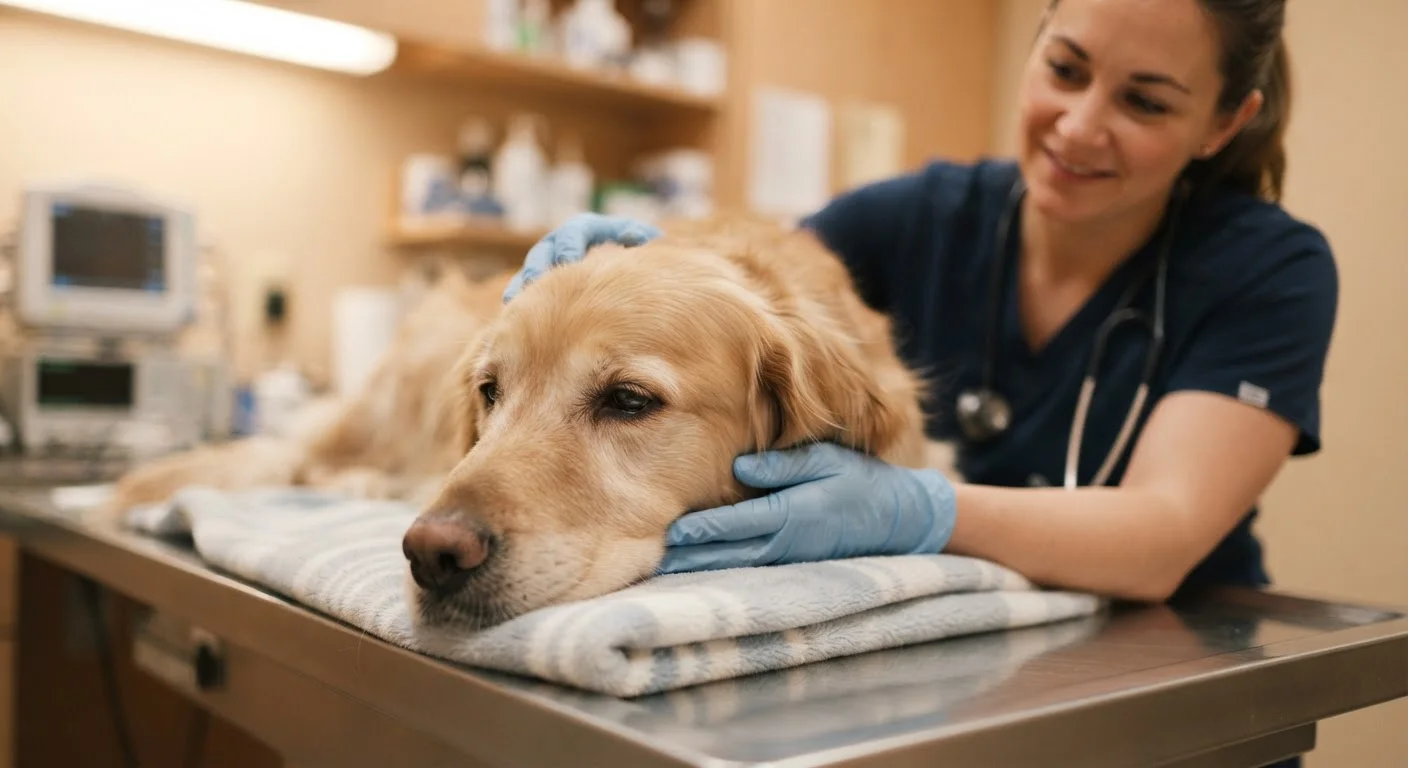
Photo: AnswersVista.com | Trustworthy Information Every Day editorial
Why Pets Hide Pain
Dogs and cats are descended from animals whose survival depended on not appearing vulnerable. This evolutionary instinct means many pets will conceal discomfort until it becomes severe. As a result, subtle behavioral and physical changes are often the earliest - and sometimes the only - clues that something is wrong.
Pain in pets rarely looks like what you might expect. Rather than vocalizing, many animals simply become quieter, less active, or change their routines. Understanding these patterns is an essential part of responsible pet ownership. For a broader overview of how body language signals distress, see our body language reference guide for dogs, cats, and small animals.
Common Signs of Pain in Dogs and Cats
Pain presents differently across species, but several behavioral and physical changes appear commonly in both dogs and cats:
Behavioral Changes
- Withdrawal or hiding: A normally social pet retreating to isolated spots is a meaningful shift.
- Reduced grooming or over-grooming: Cats in pain may stop grooming altogether, or obsessively lick a specific area.
- Changes in appetite: Reluctance to eat, especially combined with other signs, warrants attention.
- Irritability or aggression: A pet that snaps or growls when touched in a specific area may be guarding a painful spot.
- Restlessness or inability to settle: Pacing, repeatedly lying down and getting back up, or difficulty finding a comfortable position.
Physical Signs
- Limping or altered gait: Favoring one limb or moving stiffly, particularly after rest.
- Posture changes: A hunched back, tucked abdomen, or reluctance to bear weight on all four legs.
- Facial tension: Squinted eyes, flattened ears, or a furrowed brow - especially in cats - can indicate discomfort.
- Vocalizations: Whimpering, whining, or unusual vocalizations during movement or when touched.
- Rapid or shallow breathing: When not related to heat or exercise, altered breathing can signal pain.
Pain guarding
A behavior in which an animal protects a painful body part by snapping, growling, or pulling away when it is touched. It is a common and often misread sign of localized pain.
Acute pain
Pain that comes on suddenly, typically due to injury or illness. It tends to be intense and short-term, and often produces more obvious outward signs.
Chronic pain
Persistent pain lasting weeks or longer, often associated with conditions like arthritis. It can be harder to detect because pets gradually adapt their behavior around it.
Facial Action Coding (feline grimace scale)
A validated tool used by veterinarians to assess pain in cats based on facial muscle tension, ear position, and eye openness. It helps quantify discomfort that owners and clinicians might otherwise overlook.
Senior pets may show even subtler signs as pain often develops gradually alongside aging. Our article on senior pet care covers how health needs evolve and what symptoms deserve closer monitoring in older animals.
When to Contact Your Veterinarian
Not every behavior change is an emergency, but pain should never be dismissed as something a pet will simply "walk off." Contact your veterinarian promptly if you observe:
- Any sign of pain that persists for more than 24 hours
- Sudden onset of limping, crying out, or reluctance to move
- Swelling, heat, or visible injury to any part of the body
- Difficulty breathing, eating, or using the bathroom
- Behavioral changes that are sharp, sudden, or out of character
If multiple signs appear together - for example, hiding combined with loss of appetite and changes in posture - treat the combination seriously even if each sign seems mild on its own.
Never give human pain medications to pets. Common medications like ibuprofen and acetaminophen are toxic to both dogs and cats. Pain management for pets requires veterinary guidance and species-appropriate treatment.
Sometimes what appears to be pain-related behavior may overlap with anxiety. Our article on pet anxiety as a health concern can help you distinguish stress-driven behavior from signs of physical discomfort.
For guidance on what other symptoms should prompt a vet visit beyond pain alone, see signs your pet may be unwell.
This article is for general informational purposes only and does not constitute veterinary medical advice. Always consult a licensed veterinarian for concerns about your pet's health.
The content provided on our blog site traverses numerous categories, offering readers valuable and practical information. Readers can use the editorial team’s research and data to gain more insights into their topics of interest. However, they are requested not to treat the articles as conclusive. The website team cannot be held responsible for differences in data or inaccuracies found across other platforms. Please also note that the site might also miss out on various schemes and offers available that the readers may find more beneficial than the ones we cover.