
Loyalty Programs Unpacked: What You Actually Earn and What You Give Up

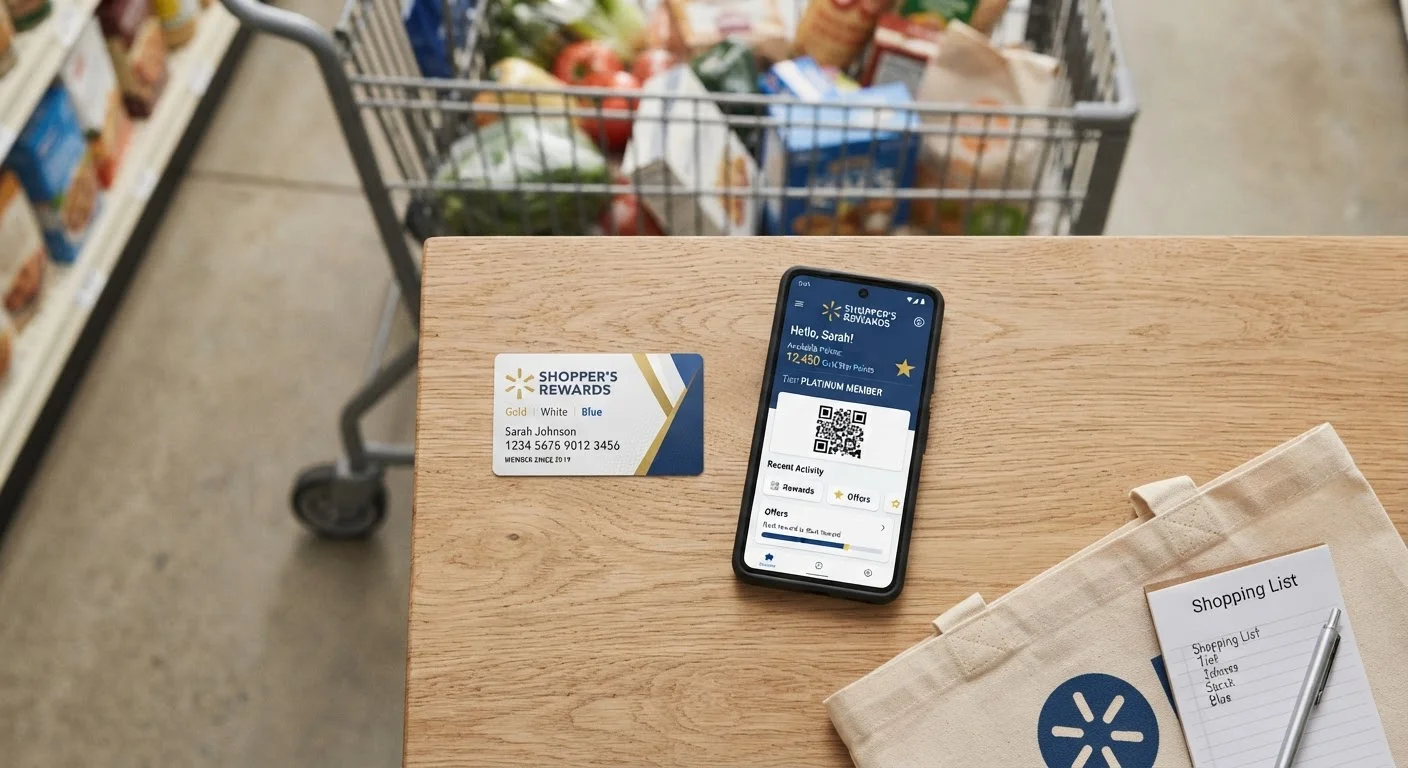
Photo: AnswersVista.com | Trustworthy Information Every Day editorial
Key Takeaways
- Loyalty programs can deliver real savings, but the value depends heavily on how you shop.
- Most programs collect detailed purchase data that retailers use for targeted marketing.
- Points often expire, devalue, or come with redemption restrictions that reduce real-world value.
- Signing up is easy; evaluating whether a program works for your habits takes more thought.
- Understanding how rewards are structured helps you capture value without changing your spending behavior.
Tangible savings for frequent, concentrated shoppers
Shoppers who consistently use one or two retailers can accumulate meaningful rewards over time, effectively reducing their per-unit costs on everyday purchases.
Access to member-only pricing and early offers
Many programs unlock pricing tiers or sale previews unavailable to non-members, providing a genuine discount without requiring coupon clipping or price comparison.
Purchase tracking simplifies spending review
Digital loyalty accounts often provide an itemized purchase history, which can help budget-conscious consumers monitor their spending patterns at a glance.
Free to join with no upfront commitment
Most retail loyalty programs carry no enrollment fee, meaning there's no direct financial risk to signing up - only the ongoing data trade-off to weigh.
Detailed purchase data collected and retained
Every transaction builds a behavioral profile that retailers use for targeted marketing, and data-sharing practices vary widely across programs and ownership structures.
Points expire or devalue over time
Many programs impose expiration windows on accumulated points, and retailers can change redemption rates unilaterally - eroding value you thought you'd already earned.
Program design encourages incremental overspending
Tier thresholds, bonus point events, and expiring balances are intentional design features that can nudge shoppers toward purchases they wouldn't otherwise make.
Redemption restrictions limit practical value
Minimum redemption thresholds, category exclusions, and blackout periods mean the stated reward value is often higher than what members actually capture.
Program terms can change without meaningful notice
Retailers retain the right to alter point values, expiration rules, or tier structures at any time, making long-term planning around reward accumulation unreliable.
How Loyalty Programs Actually Work
At their core, loyalty programs are a structured exchange: you provide purchase history and personal data, and the retailer offers discounts, points, or exclusive pricing in return. Most programs operate on one of a few models - points per dollar spent, tiered membership levels, or immediate member pricing at checkout.
Points-based systems assign a numeric value to each purchase, which accumulates toward a reward threshold. Tiered programs grant escalating benefits as annual spend increases. Instant-savings models skip points entirely and apply member discounts directly at the register. Each structure has different implications for how much effort you need to invest to see real returns.
Understanding which model a program uses is the first step to evaluating whether it's worth joining. For a fuller picture of how these structures compare to other discount mechanisms, see how cashback and coupons work differently.
Tangible savings for frequent, concentrated shoppers
Shoppers who consistently use one or two retailers can accumulate meaningful rewards over time, effectively reducing their per-unit costs on everyday purchases.
Access to member-only pricing and early offers
Many programs unlock pricing tiers or sale previews unavailable to non-members, providing a genuine discount without requiring coupon clipping or price comparison.
Purchase tracking simplifies spending review
Digital loyalty accounts often provide an itemized purchase history, which can help budget-conscious consumers monitor their spending patterns at a glance.
Free to join with no upfront commitment
Most retail loyalty programs carry no enrollment fee, meaning there's no direct financial risk to signing up - only the ongoing data trade-off to weigh.
The Real Costs: Data, Habits, and Fine Print
Every swipe of a loyalty card or tap of a rewards app generates a data record. Retailers use this information to build detailed behavioral profiles - knowing not just what you buy, but when, how often, and at what price sensitivity. This data informs targeted promotions designed to increase your basket size or visit frequency, not necessarily to save you money.
Beyond data collection, program design often nudges spending behavior in subtle ways. Expiring points create urgency that can push unnecessary purchases. Tier thresholds encourage spending just enough more to "maintain status." Bonus point events highlight specific products that may carry higher margins for the retailer.
Detailed purchase data collected and retained
Every transaction builds a behavioral profile that retailers use for targeted marketing, and data-sharing practices vary widely across programs and ownership structures.
Points expire or devalue over time
Many programs impose expiration windows on accumulated points, and retailers can change redemption rates unilaterally - eroding value you thought you'd already earned.
Program design encourages incremental overspending
Tier thresholds, bonus point events, and expiring balances are intentional design features that can nudge shoppers toward purchases they wouldn't otherwise make.
Redemption restrictions limit practical value
Minimum redemption thresholds, category exclusions, and blackout periods mean the stated reward value is often higher than what members actually capture.
Program terms can change without meaningful notice
Retailers retain the right to alter point values, expiration rules, or tier structures at any time, making long-term planning around reward accumulation unreliable.
Check the Privacy Policy Before Enrolling
It's also worth reviewing what happens to your data if you close your account or if the retailer changes ownership. Many programs reserve the right to transfer customer data as a business asset. Checking the privacy policy before enrolling takes only a few minutes and can inform your decision meaningfully.
Evaluating Whether a Program Delivers for You
The question isn't whether loyalty programs offer value in the abstract - most do, on paper. The question is whether the reward structure aligns with how you already shop. A grocery rewards program is straightforwardly useful if you buy most of your food at one store. A clothing retailer's points program may be essentially worthless if you shop there twice a year.
~$360
Average annual loyalty reward earned per U.S. household
Estimates from loyalty industry research suggest average household reward accumulation, though actual redemption rates are consistently lower than accrual rates.
~30%
Share of loyalty points that go unredeemed
Industry analyses have repeatedly found that a significant portion of earned loyalty points expire or go unclaimed, reducing the real-world value of these programs.
Before enrolling, it's worth calculating a realistic return. If a program awards one point per dollar and 100 points equal $1 in rewards, that's a 1% return - before accounting for points that expire unused or redemption minimums you may never reach. Compare that against any data or behavioral trade-offs you're accepting.
Consumers who approach loyalty programs as tools - rather than perks to accumulate passively - tend to extract better value. That same discipline applies to other consumer decisions; for a broader framework on spending smarter across categories, this guide to value-focused shopping offers practical context. And when evaluating any retailer's claims about member savings, the skills in reading consumer reviews critically apply equally to promotional marketing.
The content provided on our blog site traverses numerous categories, offering readers valuable and practical information. Readers can use the editorial team’s research and data to gain more insights into their topics of interest. However, they are requested not to treat the articles as conclusive. The website team cannot be held responsible for differences in data or inaccuracies found across other platforms. Please also note that the site might also miss out on various schemes and offers available that the readers may find more beneficial than the ones we cover.