
Japan Travel Myths That Keep Americans From Going — and Why They're Wrong

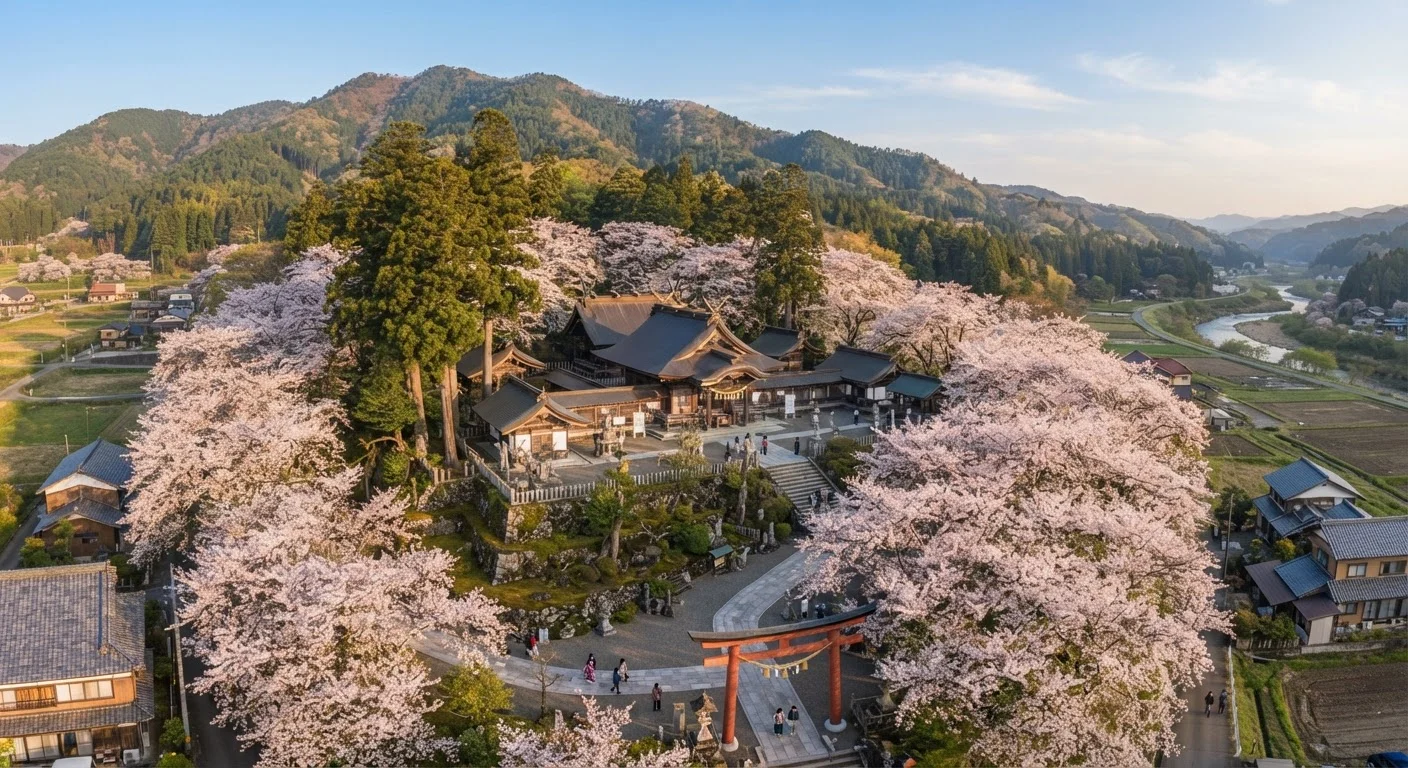
Photo: AnswersVista.com | Trustworthy Information Every Day editorial
Key Takeaways
- Japan is not unusually expensive for American travelers — costs compare favorably to many Western European destinations.
- Navigating Japan without Japanese is very manageable thanks to widespread English signage and translation tools.
- The long flight from the US is a one-time hurdle that most travelers say is well worth it.
- Solo travelers and families alike find Japan one of the world's safest and most foregiving destinations.
- Many Japan myths stem from outdated impressions or secondhand accounts rather than firsthand experience.
Where These Myths Come From
Japan ranks consistently among Americans' most-dreamed-about destinations — and yet a surprising number never book the trip. The culprits are usually a handful of persistent myths: that it's too expensive, too linguistically challenging, too far, or too rigid a culture for Western visitors. Most of these fears have real roots but are dramatically overstated, often based on outdated information or a single anecdote from someone who visited decades ago.
This article addresses the most common misconceptions head-on, so you can make a genuinely informed decision about whether Japan belongs on your itinerary — rather than ruling it out based on hearsay. For a broader look at how travel cost myths distort planning decisions in general, see our piece on myths about cheap travel.
Myth
Japan is one of the most expensive countries in the world — it'll blow any reasonable travel budget.
Fact
Japan can be traveled comfortably on a mid-range budget, and in some categories it's notably affordable compared to Western Europe or major US cities.
This myth was more accurate in the 1980s and early 1990s, when Japan's economy was at its peak. Today, currency fluctuations and a decade of low inflation have made Japan genuinely competitive in cost. A filling ramen bowl at a local shop often runs under $10; a night in a clean, well-located business hotel can fall in the $80–$120 range in major cities. The expensive version of Japan — luxury ryokan, Michelin-starred kaiseki, first-class bullet train — absolutely exists, but so does a fully satisfying trip on a moderate daily budget. Travelers who assume Japan is automatically out of reach often haven't run the actual numbers.
Myth
You can't get around Japan if you don't speak Japanese.
Fact
English is widely present on transit signage, menus, and maps; smartphone translation tools handle nearly everything else.
Japan's major airports, train stations, and tourist areas are among the most English-friendly in Asia. Most train platforms display information in English, Korean, and Chinese in addition to Japanese. Restaurant menus frequently include photos or English descriptions, and tourist information centers in cities like Tokyo, Kyoto, and Osaka are staffed with English-speaking helpers. Translation apps with camera-based text recognition close almost any remaining gap. Learning a handful of courteous phrases in Japanese is always appreciated by locals, but fluency is absolutely not a prerequisite for a successful trip.
Myth
The flight is so long it's not worth it — you'd spend half your vacation recovering.
Fact
A direct flight from the US West Coast to Japan runs roughly 10–12 hours; many travelers adjust within a day or two with smart planning.
Yes, flying from the eastern US takes longer — typically 14–16 hours with a connection. But jet lag management is well-understood: staying hydrated, adjusting your sleep schedule a day or two before departure, and getting outdoor light on arrival day all help significantly. Most travelers find they're functional within 24–48 hours. Given that Japan typically warrants a trip of at least 10–14 days, the adjustment period is a small fraction of the overall experience. Crossing the Pacific is a one-time commitment per trip, not a recurring cost.
Myth
Japan has so many cultural rules that Western tourists are constantly at risk of causing offense.
Fact
Japanese culture values effort and goodwill; tourists who are respectful and observant are given considerable grace.
There are real customs worth knowing — removing shoes when entering certain spaces, not eating while walking in some contexts, following rules around temple and shrine etiquette. But these are learnable in an afternoon of reading, and locals are generally patient with visitors who are clearly trying. The expectation is not cultural perfection; it's basic respect. A quick review of common practices before you travel covers the vast majority of situations. Think of it less as a minefield and more as a few extra considerate habits layered onto normal travel behavior.
Myth
Japan is only worth visiting during cherry blossom season — otherwise you're missing the point.
Fact
Japan offers compelling reasons to visit in every season, and peak cherry blossom period comes with significant crowds and elevated prices.
Cherry blossoms are genuinely spectacular, but the two-week peak window in late March to early April is also when accommodation prices spike and famous sites get extremely crowded. Autumn foliage (mid-October through November) is widely considered equally beautiful and draws fewer international visitors. Summer festivals and winter illuminations each offer their own appeal. Traveling outside peak seasons often means better value, shorter lines at major attractions, and a more relaxed pace — which for many travelers makes for a better overall experience.
Myth
Japan is not safe for solo travelers, especially women traveling alone.
Fact
Japan consistently ranks among the world's safest destinations for solo and female travelers across major international safety indices.
This one is essentially the reverse of the truth. Japan has exceptionally low rates of violent crime, well-lit and busy public spaces late into the night in major cities, and a culture where asking for help from strangers tends to go well. Solo female travelers routinely cite Japan as one of the most comfortable countries they've visited. As with any destination, standard awareness and common sense apply — but the specific fear that Japan is unsafe for solo Americans is not grounded in evidence.
What First-Time Visitors Actually Experience
Travelers who push past these myths consistently report the same thing: Japan exceeded their expectations in almost every practical category. Public transit runs on schedule to a degree that astonishes most Americans. Convenience stores (konbini) sell fresh, affordable meals around the clock. Cities are walkable, clean, and exceptionally well-signed in English at transit hubs.
Where travelers do get caught off guard, it's usually on logistics they hadn't thought through — entry documentation, IC card setup for trains, or figuring out local customs around cash versus card use. Those aren't Japan-specific problems; they're planning gaps that apply to any international trip. Our guide on overlooked trip planning details covers exactly the kind of pre-departure homework that makes the difference.
#3
Japan's global safety ranking
Japan has consistently placed in the top five on the Global Peace Index, making it one of the safest countries in the world for international visitors.
~$10
Average cost of a filling local meal
A bowl of ramen, soba, or a convenience store bento in Japan commonly falls in the $8–$12 range, offering strong value relative to comparable Western cities.
Verify Entry Requirements Before You Book
The content provided on our blog site traverses numerous categories, offering readers valuable and practical information. Readers can use the editorial team’s research and data to gain more insights into their topics of interest. However, they are requested not to treat the articles as conclusive. The website team cannot be held responsible for differences in data or inaccuracies found across other platforms. Please also note that the site might also miss out on various schemes and offers available that the readers may find more beneficial than the ones we cover.