
Myths About Cheap Travel That Lead Planners Astray

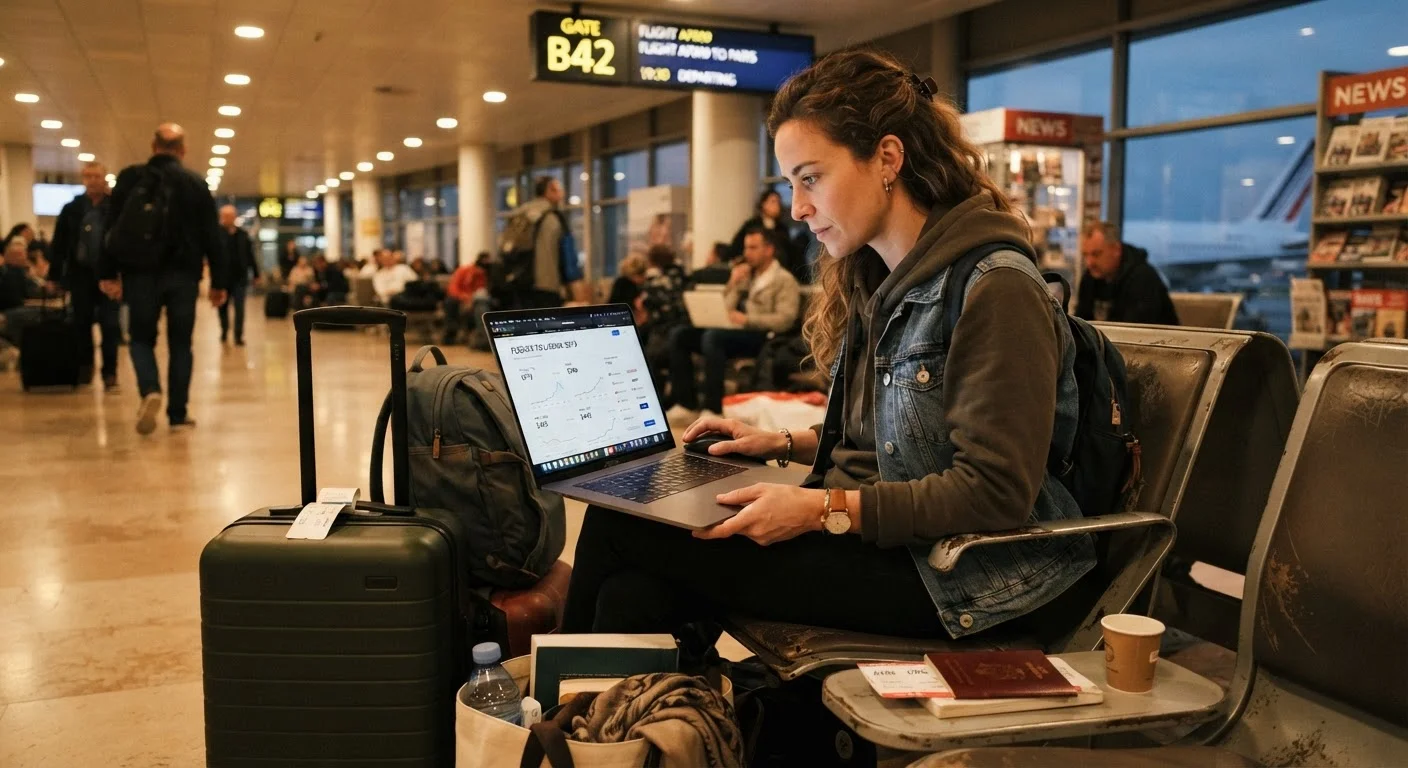
Photo: AnswersVista.com | Trustworthy Information Every Day editorial
Key Takeaways
- Incognito mode does not lower flight prices — airlines use dynamic pricing, not browser tracking.
- Tuesday is not universally the cheapest day to book; fare patterns vary by route and season.
- Last-minute deals are rare and unreliable for most domestic and international routes.
- Budget airline fares often carry fees that erase apparent savings over full-service carriers.
- Flexibility on dates and destinations matters far more than any single booking trick.
Why Cheap-Travel Myths Are So Stubborn
Travel hacks spread fast online because they feel empowering — the idea that a small trick can unlock prices others aren't seeing. The problem is that many of these tips were never fully accurate to begin with, or they described a narrow pattern that has since disappeared as airlines refined their pricing systems. Following outdated advice doesn't just waste time; it can lead to worse decisions, like booking too late, choosing the wrong carrier, or skipping research that would have actually saved money.
The myths below are among the most commonly repeated. Each one is examined against how airline pricing and travel costs actually work — so you can stop chasing tricks and start planning more effectively.
Myth
Browsing flights in incognito mode will get you lower prices because airlines track your searches and raise fares.
Fact
Flight prices are driven by inventory and demand algorithms, not individual browser history. Incognito mode has no meaningful effect on the fares you see.
This myth is widespread enough that many travelers treat private browsing as a standard booking ritual. In reality, airline pricing systems — called revenue management systems — adjust fares based on how many seats remain in each fare class, competitor pricing, and overall demand patterns. They are not reading your browser cookies to single you out and raise prices. While repeated searches within one session can occasionally surface a cached price, clearing cookies or going incognito does not unlock a hidden discount. Your time is better spent comparing across multiple search tools on different days than toggling browser modes.
Myth
Tuesday is always the cheapest day to book flights, so you should wait until then every time.
Fact
The "book on Tuesday" rule is an oversimplification. Fare patterns vary significantly by route, carrier, and how far in advance you're searching.
This idea originated from observations that airlines sometimes release fare sales on Tuesday mornings, prompting competitors to match them by afternoon. That pattern has become inconsistent as airlines now adjust pricing continuously and at any time of day or week. Studies of airfare data have found only marginal average differences between weekday booking windows — differences that can easily be outweighed by route-specific demand, seasonal surges, or how close you are to the departure date. A more reliable approach: set fare alerts for your specific route and book when the price aligns with your budget, regardless of what day it is.
Myth
Waiting until the last minute is a reliable way to score deeply discounted fares.
Fact
Last-minute deals are the exception, not the rule. For most routes, fares rise sharply in the final two to three weeks before departure.
The last-minute deal fantasy persists partly because it does occasionally happen — mostly on routes with excess unsold inventory or through specialized standby programs. But for the vast majority of travelers on standard routes, waiting until the final two to three weeks before a trip means paying a premium, not a discount. Airlines know that late bookers often have inflexible schedules (business travel, emergencies), so they price accordingly. The general sweet spot for domestic flights tends to be one to three months out, though this shifts by destination and time of year. See our breakdown of where travel money actually goes to understand how flight timing fits into overall trip costs.
Myth
Budget airlines are always cheaper than full-service carriers when you factor everything in.
Fact
Ultra-low-cost carriers frequently charge separately for carry-on bags, seat selection, and printing boarding passes — fees that can exceed the base fare savings.
A $59 base fare can become a $140+ total once you add a carry-on bag fee, a seat assignment, and checked luggage. For solo travelers packing light and flexible about seating, budget carriers can deliver real savings. But for families, travelers with checked bags, or anyone who values predictability, the math often favors a full-service fare that bundles these items. Always build out the full cost of a budget fare — including fees for every service you'll actually use — before concluding it's cheaper. Our related guide on why upfront price misleads buyers covers this dynamic in detail.
Myth
Booking a connecting flight separately from each leg saves money over booking an itinerary together.
Fact
Booking separate tickets removes all protection if a delay on the first flight causes you to miss the second — leaving you responsible for rebooking costs.
Splitting an itinerary across two separate bookings can occasionally surface lower total fares, but it carries significant risk. If the first flight is delayed and you miss your separately booked connection, the airline operating the second flight has no obligation to rebook you at no charge. You're essentially starting over at your own expense. This strategy may make sense for experienced travelers on routes with generous layover buffers, but for most people, the financial protection of a single itinerary — where the airline is responsible for getting you to your destination — outweighs any potential savings.
What Actually Moves the Needle on Travel Costs
Across all the myths above, a consistent theme emerges: flexibility and timing matter far more than any single booking tactic. Travelers who save consistently tend to do a few concrete things — set price alerts on specific routes, build trip budgets that account for all fees before comparing fares, and stay open to adjusting travel dates by a day or two when fares differ meaningfully.
Separate Ticket Bookings Carry Real Risk
Destination choice also has an outsized effect on total trip cost that often gets overlooked. Choosing a destination where your dollar stretches further — whether domestically or internationally — can outperform any airfare hack. For context, the reality of traveling Southeast Asia on a budget illustrates how destination economics can shape an entire trip's affordability more than booking timing ever could.
If you're still building the foundations of trip planning, the overlooked parts of trip planning covers the logistics that tend to surprise even experienced travelers. Getting those basics right is worth far more than any browser trick.
The content provided on our blog site traverses numerous categories, offering readers valuable and practical information. Readers can use the editorial team’s research and data to gain more insights into their topics of interest. However, they are requested not to treat the articles as conclusive. The website team cannot be held responsible for differences in data or inaccuracies found across other platforms. Please also note that the site might also miss out on various schemes and offers available that the readers may find more beneficial than the ones we cover.