
The Reality of Traveling Southeast Asia on a Budget

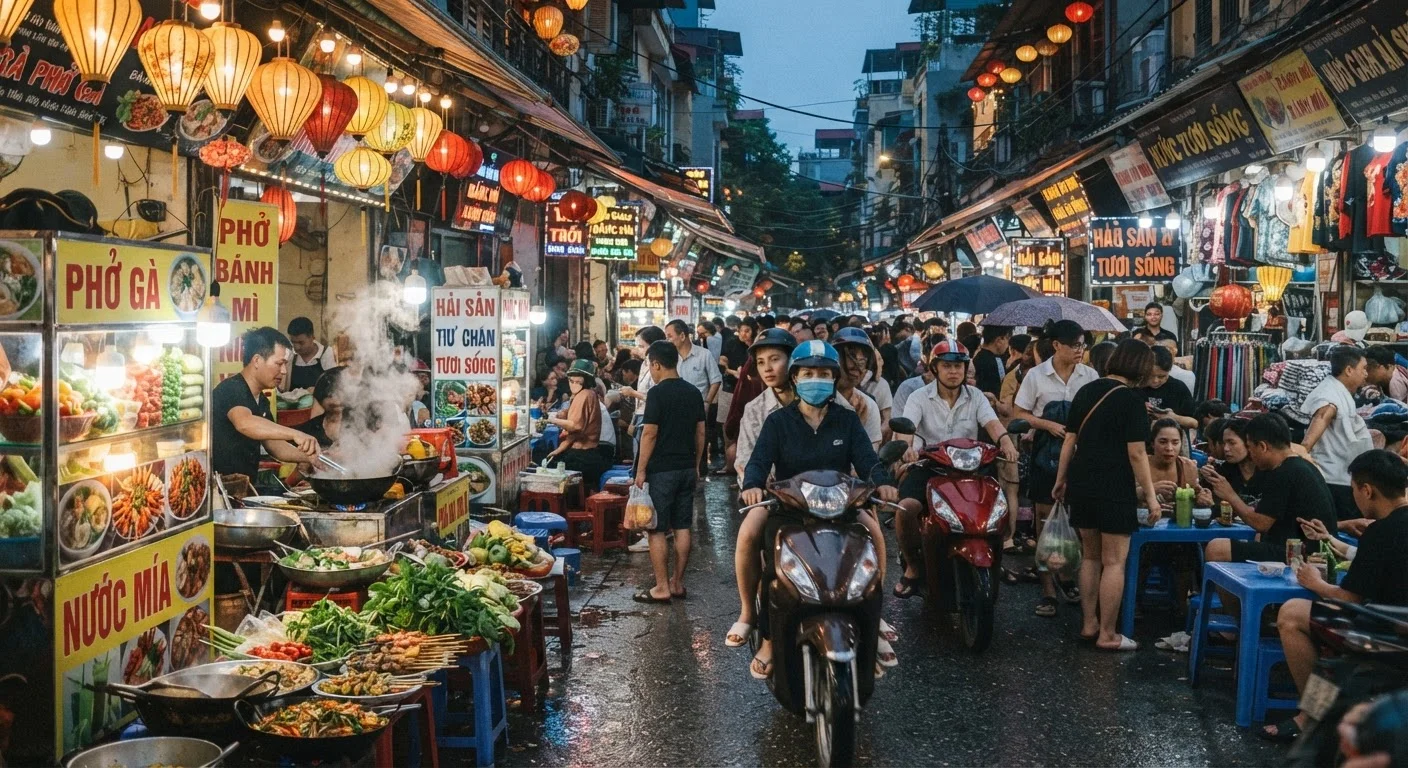
Photo: AnswersVista.com | Trustworthy Information Every Day editorial
Key Takeaways
- Daily costs in Southeast Asia vary widely by country — Thailand and Vietnam are cheaper than Singapore or Bali.
- The long-haul flight from the US is often the single biggest budget item, easily overshadowing in-country savings.
- Comfort upgrades, tourist-priced transport, and hidden fees can quietly double a traveler's expected spend.
- Budget travel in Southeast Asia is genuinely achievable, but requires realistic planning and flexibility.
- Health, safety, and entry logistics add costs that many first-timers fail to account for upfront.
Genuinely low daily costs in most countries
Street food, guesthouses, and local transit in Vietnam, Cambodia, and Thailand can keep daily spending well below $50 — a meaningful advantage for travelers on tight budgets.
Favorable USD exchange rates in key destinations
The US dollar stretches further in most of Southeast Asia than in Europe or Latin America, giving American travelers real purchasing power for accommodation and food.
Extensive backpacker infrastructure already in place
Decades of budget traveler traffic means hostels, guesthouses, cheap local transport, and affordable tour options are easy to find throughout the region.
Affordable multi-country overland travel
Crossing borders by bus or train between Vietnam, Cambodia, Laos, and Thailand is relatively inexpensive, enabling multi-country itineraries without costly domestic flights.
Food quality is high even at the lowest price points
Unlike some regions where cheap food means poor quality, Southeast Asian street food is widely considered among the world's best — making budget eating a genuine pleasure.
Long-haul flight costs can dominate the total budget
US-to-Southeast Asia flights routinely run $800–$1,300+ round trip, which can represent a significant share of total trip spend regardless of how frugally you live on the ground.
Health and safety prep adds real upfront costs
Travel vaccinations, travel insurance, and medications like antimalarials are strongly advisable for many parts of the region — costs that are easy to ignore in early budget planning.
Popular tourist areas have priced up considerably
Bali, Thailand's southern islands, and major backpacker hubs charge tourist-facing prices that can be significantly higher than surrounding areas, eroding budget expectations.
Variable infrastructure requires flexibility and patience
Inconsistent internet, unreliable transport schedules, and variable accommodation quality in less-visited areas mean budget travel here demands a higher tolerance for inconvenience than more developed destinations.
Visa requirements add cost and complexity
Several countries in the region require visa-on-arrival fees, e-visa purchases, or advance applications — costs that add up on multi-country trips and require advance research.
What 'Budget Travel' Actually Means in Southeast Asia
Southeast Asia has earned its reputation as a go-to destination for cost-conscious travelers. In countries like Vietnam, Cambodia, and Laos, daily expenses — meals, accommodation, and local transit — can genuinely run $30–$50 per day for travelers willing to eat at street stalls, stay in guesthouses, and use local buses. That's a real advantage over most of the developed world.
But the definition of 'budget' shifts significantly depending on where you are. Singapore functions like any expensive Western city. Bali's most-visited areas have priced up considerably in recent years. And even in lower-cost destinations, tourist-facing prices at popular sites, resorts, and tour operators can be two to three times what locals pay. Understanding which version of Southeast Asia you're actually visiting — and budgeting for it honestly — is the first step.
For a grounded look at how trip costs break down across all categories, see our travel budget basics guide.
Genuinely low daily costs in most countries
Street food, guesthouses, and local transit in Vietnam, Cambodia, and Thailand can keep daily spending well below $50 — a meaningful advantage for travelers on tight budgets.
Favorable USD exchange rates in key destinations
The US dollar stretches further in most of Southeast Asia than in Europe or Latin America, giving American travelers real purchasing power for accommodation and food.
Extensive backpacker infrastructure already in place
Decades of budget traveler traffic means hostels, guesthouses, cheap local transport, and affordable tour options are easy to find throughout the region.
Affordable multi-country overland travel
Crossing borders by bus or train between Vietnam, Cambodia, Laos, and Thailand is relatively inexpensive, enabling multi-country itineraries without costly domestic flights.
Food quality is high even at the lowest price points
Unlike some regions where cheap food means poor quality, Southeast Asian street food is widely considered among the world's best — making budget eating a genuine pleasure.
The Costs Americans Routinely Underestimate
The most common budgeting mistake is fixating on daily in-country costs while treating the flight as a fixed, unavoidable line item — and then not scrutinizing it. A round-trip flight from a major US city to Bangkok or Ho Chi Minh City typically runs $700–$1,300 depending on routing and timing. That alone can represent two to three weeks of in-country spending.
$800–$1,300
Typical US round-trip airfare to Southeast Asia
Based on general fare ranges for US departures to Bangkok or Ho Chi Minh City; actual prices vary by origin city, season, and booking timing.
$30–$50
Realistic daily budget in lower-cost countries
Covers street food, guesthouse accommodation, and local transit in Vietnam, Cambodia, or northern Thailand — not island resorts or major tourist circuits.
Add to that travel insurance (strongly advisable given the region's variable healthcare infrastructure), mandatory or recommended vaccinations, visa fees for certain countries, and the cost of gear or luggage suited to the climate — and the upfront investment before you board is substantial. These costs are easy to overlook when planning around a $40/day in-country target.
First-time visitors to the region should also read our overlooked trip planning logistics guide — entry requirements and health prep for Southeast Asia catch a lot of travelers off guard.
Long-haul flight costs can dominate the total budget
US-to-Southeast Asia flights routinely run $800–$1,300+ round trip, which can represent a significant share of total trip spend regardless of how frugally you live on the ground.
Health and safety prep adds real upfront costs
Travel vaccinations, travel insurance, and medications like antimalarials are strongly advisable for many parts of the region — costs that are easy to ignore in early budget planning.
Popular tourist areas have priced up considerably
Bali, Thailand's southern islands, and major backpacker hubs charge tourist-facing prices that can be significantly higher than surrounding areas, eroding budget expectations.
Variable infrastructure requires flexibility and patience
Inconsistent internet, unreliable transport schedules, and variable accommodation quality in less-visited areas mean budget travel here demands a higher tolerance for inconvenience than more developed destinations.
Visa requirements add cost and complexity
Several countries in the region require visa-on-arrival fees, e-visa purchases, or advance applications — costs that add up on multi-country trips and require advance research.
Where the Value Is Real — and Where It Isn't
Food is where Southeast Asia's budget credentials genuinely hold up. Street food and local markets in Thailand, Vietnam, and Malaysia offer flavorful, filling meals for $1–$4. Accommodation in smaller cities and off-the-beaten-path areas remains inexpensive, with clean private rooms available for $15–$25 in many areas. Local transport — songthaews, motorbike taxis, overnight trains — is cheap if you use what locals use.
Where the value erodes: island-hopping by speedboat adds up fast. Popular tourist circuits (the Thailand island route, Bali's Ubud-to-Seminyak corridor) now carry a premium in almost every category. Any activity marketed primarily to foreign visitors — guided tours, cooking classes, dive packages — is priced accordingly. And Western-style cafés, international restaurants, and air-conditioned transport will quietly push your spending closer to Western-city levels.
It's worth comparing how budget assumptions play out across different trip types. Our piece on common cheap travel myths explores how wishful thinking shapes (and distorts) planning for trips like this one.
For travelers used to carrying minimal luggage to save costs, backpack-only travel has real trade-offs worth understanding before you commit to that approach in a hot, humid climate with variable laundry access.
Verify Entry Requirements Before You Book
The content provided on our blog site traverses numerous categories, offering readers valuable and practical information. Readers can use the editorial team’s research and data to gain more insights into their topics of interest. However, they are requested not to treat the articles as conclusive. The website team cannot be held responsible for differences in data or inaccuracies found across other platforms. Please also note that the site might also miss out on various schemes and offers available that the readers may find more beneficial than the ones we cover.