
Traveling with Just a Backpack: The Trade-Offs Honest Travelers Don't Mention

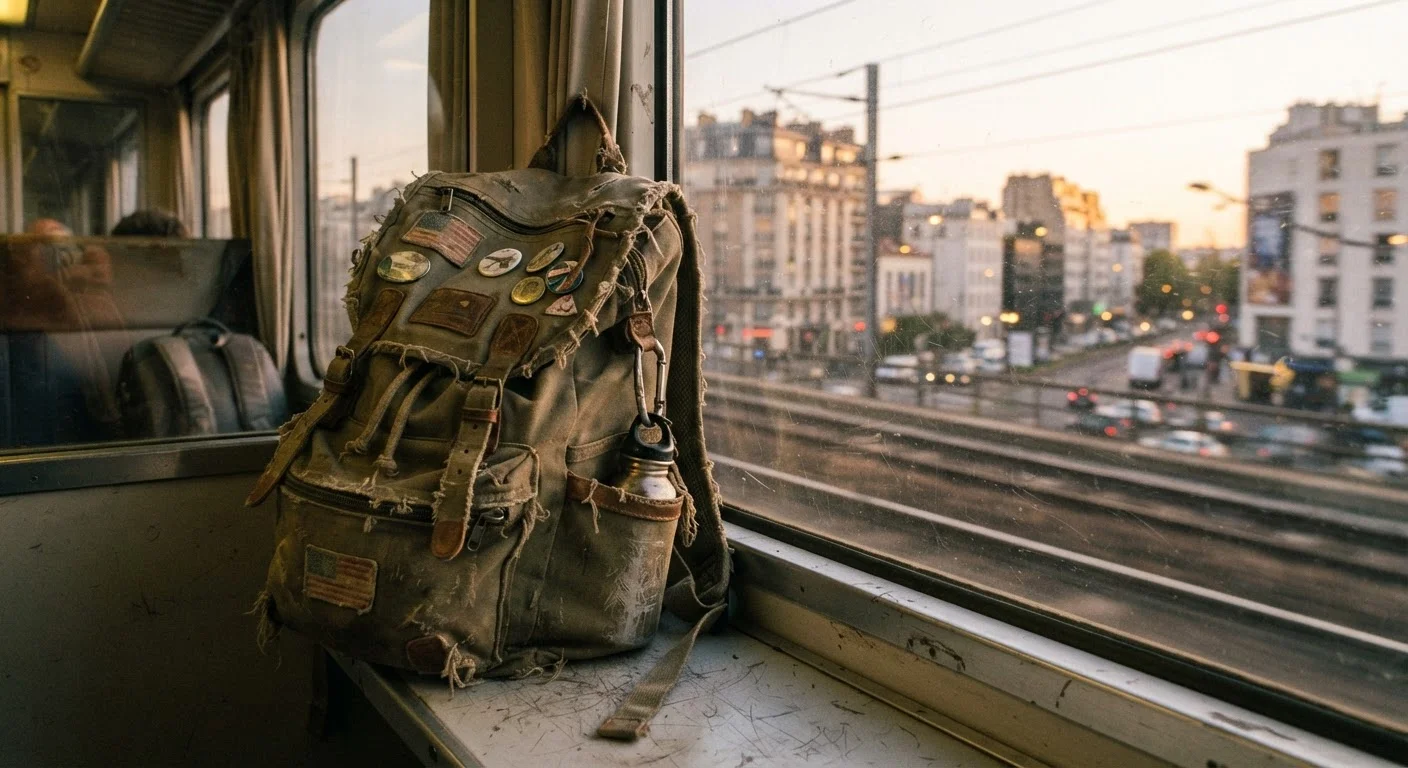
Photo: AnswersVista.com | Trustworthy Information Every Day editorial
Key Takeaways
- Backpack-only travel eliminates checked bag fees and speeds up airport transit significantly.
- You will make real compromises on clothing variety, toiletry limits, and comfort for longer trips.
- Trip length, destination type, and personal style all affect whether one bag is genuinely practical.
- Many trade-offs backpack travelers don't advertise involve physical strain and laundry logistics.
- The approach works best for flexible itineraries and destinations with accessible laundry options.
No checked bag fees on any airline
Checked baggage fees on domestic and international flights add up quickly, often running $30–$60 per bag each way. Traveling carry-on only eliminates this cost entirely on most carriers.
Faster through airports and transit hubs
Skipping bag drop and baggage claim can save 30–60 minutes per flight. Over a multi-leg trip, that time compounds into real hours recovered.
Total mobility between any transport type
A backpack that fits on your back works equally well on buses, trains, ferries, and tuk-tuks — no rolling surfaces required, no luggage storage fees at hostels or stations.
Forces deliberate, lighter packing habits
The constraint itself is useful: when everything must fit, you pack only what you'll actually use. Many travelers report returning home with items they never touched — the one-bag limit cuts that waste sharply.
Reduces loss and theft risk
Keeping all your belongings in one bag you carry everywhere means no checked luggage to misroute, lose, or have delayed. Everything stays with you.
Severe limits on clothing variety
A 30-liter bag realistically holds three to five days of clothing. Longer trips require mid-trip laundry — which is manageable in some destinations and genuinely difficult in others.
TSA liquid rules constrain toiletries
If you're flying carry-on only, all liquids must fit in a single quart-sized bag under 3.4 oz per container. Full-size products, specialty skincare, or medical liquids complicate this significantly.
Physical fatigue from carrying weight all day
Even a well-packed bag becomes a burden after hours of walking. Unlike roller luggage, a backpack transfers its full weight directly to your body throughout the day.
No room for souvenirs or trip purchases
If you plan to shop — clothing, ceramics, local goods — a single pack leaves little to no space. Travelers often end up shipping items home, which can cost as much as a checked bag.
Cold-weather and formal trip packing is extremely difficult
Heavy coats, dress shoes, and formal attire are bulky and don't compress well. Trips requiring layers or event-appropriate clothing are genuinely hard to manage in one bag.
Laundry logistics become a trip planning factor
Re-wearing and washing clothes isn't a minor inconvenience — it requires researching laundromats, scheduling time, or paying for hotel laundry services, which can be expensive in some regions.
What Backpack-Only Travel Actually Means
Traveling with just a backpack — typically a bag of 20 to 40 liters that fits in an overhead bin or under an airline seat — has become a genuine travel philosophy, not just a packing style. The premise is simple: bring only what you can carry on your back, check nothing, and keep moving without the friction of luggage.
The appeal is real. But so are the limitations. This article isn't here to sell you on the lifestyle or talk you out of it. It's here to give you the full picture — including the parts that don't make it into the highlight reels. For a broader look at how this approach compares to other luggage strategies, see our guide to carry-on vs. checked bag trade-offs.
The Genuine Advantages
There are reasons millions of travelers have committed to this approach. These advantages are real — not overstated.
No checked bag fees on any airline
Checked baggage fees on domestic and international flights add up quickly, often running $30–$60 per bag each way. Traveling carry-on only eliminates this cost entirely on most carriers.
Faster through airports and transit hubs
Skipping bag drop and baggage claim can save 30–60 minutes per flight. Over a multi-leg trip, that time compounds into real hours recovered.
Total mobility between any transport type
A backpack that fits on your back works equally well on buses, trains, ferries, and tuk-tuks — no rolling surfaces required, no luggage storage fees at hostels or stations.
Forces deliberate, lighter packing habits
The constraint itself is useful: when everything must fit, you pack only what you'll actually use. Many travelers report returning home with items they never touched — the one-bag limit cuts that waste sharply.
Reduces loss and theft risk
Keeping all your belongings in one bag you carry everywhere means no checked luggage to misroute, lose, or have delayed. Everything stays with you.
The mobility advantage compounds over a multi-city trip. No waiting at baggage claim, no dragging a roller bag across cobblestones, no checking in early to drop luggage. If you're moving every two or three days, the cumulative time saved is substantial. For destinations like Southeast Asia, where transport options vary wildly, a bag you can carry anywhere is a genuine logistical asset — as explored in our look at the realities of budget travel in Southeast Asia.
The Trade-Offs That Don't Get Talked About
Here's where most backpack-only content falls short. The downsides exist, they're real, and they matter more on certain trips than others.
Severe limits on clothing variety
A 30-liter bag realistically holds three to five days of clothing. Longer trips require mid-trip laundry — which is manageable in some destinations and genuinely difficult in others.
TSA liquid rules constrain toiletries
If you're flying carry-on only, all liquids must fit in a single quart-sized bag under 3.4 oz per container. Full-size products, specialty skincare, or medical liquids complicate this significantly.
Physical fatigue from carrying weight all day
Even a well-packed bag becomes a burden after hours of walking. Unlike roller luggage, a backpack transfers its full weight directly to your body throughout the day.
No room for souvenirs or trip purchases
If you plan to shop — clothing, ceramics, local goods — a single pack leaves little to no space. Travelers often end up shipping items home, which can cost as much as a checked bag.
Cold-weather and formal trip packing is extremely difficult
Heavy coats, dress shoes, and formal attire are bulky and don't compress well. Trips requiring layers or event-appropriate clothing are genuinely hard to manage in one bag.
Laundry logistics become a trip planning factor
Re-wearing and washing clothes isn't a minor inconvenience — it requires researching laundromats, scheduling time, or paying for hotel laundry services, which can be expensive in some regions.
The physical strain point deserves particular emphasis. A 35-liter bag packed to capacity can weigh 20 pounds or more. Carrying that through airports, up stairs in metro stations, or along uneven streets for hours is tiring in a way that's easy to underestimate from a hotel room. Many travelers who commit fully to the one-bag approach spend months refining their kit specifically to get total pack weight under 15 pounds — and that requires deliberate, sometimes expensive, gear choices.
Airline Size Rules Vary — Verify Before You Pack
When It Works — and When It Doesn't
The one-bag approach genuinely excels in specific conditions: shorter trips (one to three weeks), destinations with accessible laundry services, warm climates requiring lighter clothing, and itineraries involving frequent transit between cities or countries.
It becomes a genuine liability for trips centered on a single cold-weather destination, formal events, beach-and-city combinations, or longer journeys where variety and comfort matter more than mobility. A two-week trip visiting both a major European city and a ski resort in the same itinerary is a difficult puzzle to solve with one bag.
If you're still deciding how to approach your luggage strategy from scratch, the first-time traveler's packing guide covers the foundational decisions worth working through before you commit to any system. And if you're weighing one bag against checked luggage more broadly, the logistics breakdown of packing light vs. checking bags offers useful context.
~30–60 min
Average airport time saved per flight
Skipping checked baggage drop and claim is widely cited by frequent travelers as the most consistent time benefit of carry-on-only travel.
3–5 days
Typical clothing capacity of a 30L bag
Travel packing communities consistently estimate that a standard 30-liter carry-on backpack holds roughly three to five days of clothing when packed efficiently.
Many experienced one-bag travelers also note a psychological adjustment period: the anxiety of having fewer backup options, the discipline required at every packing moment, and the mental overhead of managing laundry mid-trip. These aren't dealbreakers, but they're real costs worth factoring in before you leave your roller bag at home.
The content provided on our blog site traverses numerous categories, offering readers valuable and practical information. Readers can use the editorial team’s research and data to gain more insights into their topics of interest. However, they are requested not to treat the articles as conclusive. The website team cannot be held responsible for differences in data or inaccuracies found across other platforms. Please also note that the site might also miss out on various schemes and offers available that the readers may find more beneficial than the ones we cover.