
National Parks in the American West: Planning Your First Visit Without the Overwhelm

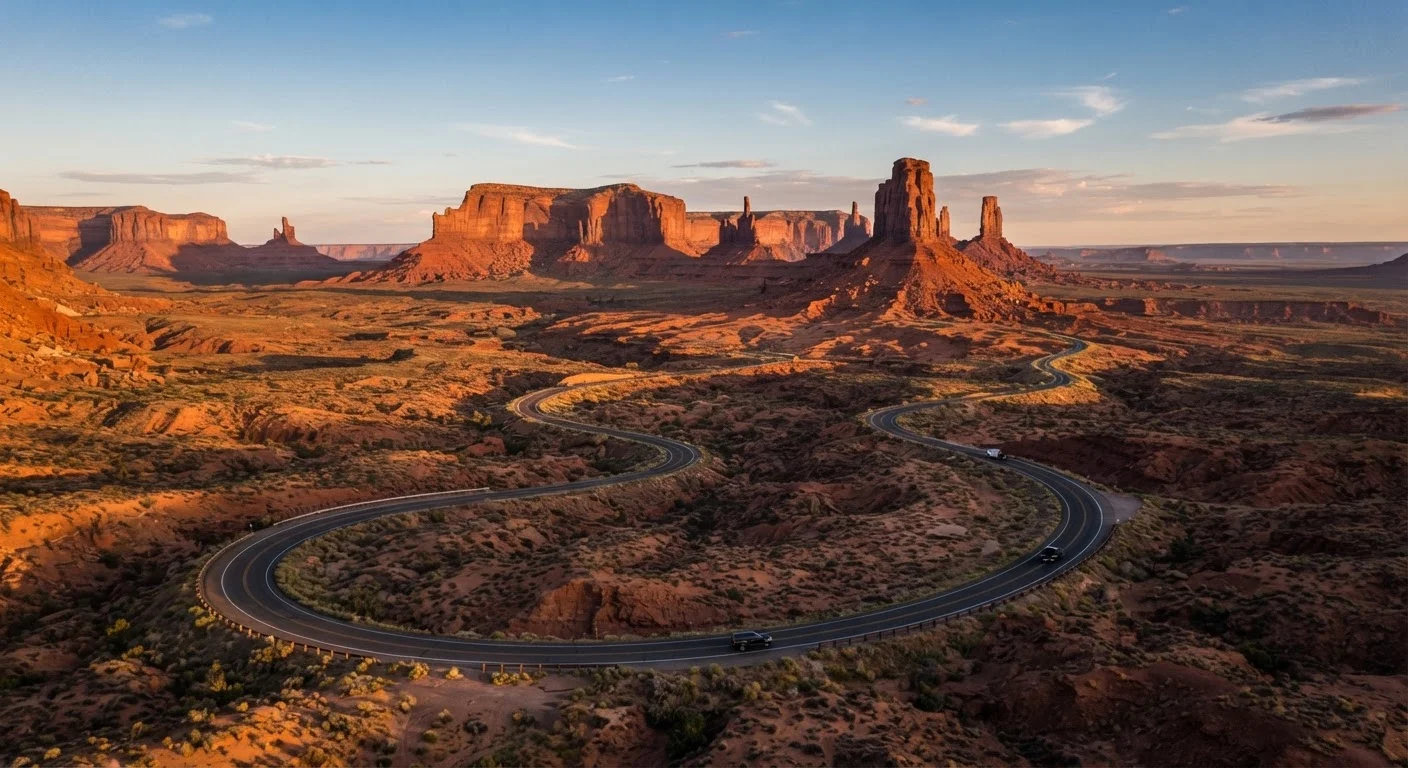
Photo: AnswersVista.com | Trustworthy Information Every Day editorial
Key Takeaways
- Many popular Western parks now require timed entry permits booked months in advance.
- Shoulder seasons (spring and fall) offer fewer crowds without sacrificing scenery.
- Limiting yourself to one or two parks per trip leads to a more satisfying experience.
- Cell service and water availability are unreliable in backcountry areas — plan accordingly.
- America the Beautiful annual passes can substantially reduce per-vehicle entrance fees.
- Wildfire smoke, extreme heat, and flash floods are real seasonal hazards in the West.
Understanding the Permit and Reservation Landscape
The biggest shock for first-time visitors to Western national parks isn't the scale of the landscapes — it's the paperwork. A growing number of high-traffic parks have introduced timed entry reservation systems to manage overcrowding. Zion, Arches, Glacier, and Yosemite have all used some form of advance permit requirement in recent years, though the specific rules change seasonally and annually.
The key rule: always check the official National Park Service (NPS) website for your specific destination before booking anything else. Permit windows typically open months ahead, and the most sought-after slots sell out within hours. Separate permit systems also govern backcountry camping and some iconic hikes — The Wave in Vermilion Cliffs or the Half Dome cables in Yosemite, for example, operate on their own lotteries.
Timed entry permit
A reservation that grants access to a park or specific area during a set time window, used to limit how many visitors enter at once during busy periods.
Backcountry permit
A separate authorization required for overnight camping or travel in undeveloped, wilderness areas of a park, away from established campgrounds.
Shoulder season
The travel periods just before and after peak season — typically spring and fall — when crowds are lighter and conditions are often more comfortable.
America the Beautiful Pass
An annual federal lands pass that covers entrance fees for one vehicle at most national parks, monuments, and other federally managed sites across the U.S.
Leave No Trace
A set of outdoor ethics principles designed to minimize human impact on natural environments, including staying on trails and packing out all trash.
Altitude sickness
A physical response to reduced oxygen at high elevations, commonly causing headache, nausea, or fatigue — most often felt above 8,000 feet.
Beyond permits, the America the Beautiful Interagency Annual Pass is worth knowing about early. It covers entrance fees at most NPS sites for a single vehicle for 12 months — if you're visiting three or more fee-charging parks, it generally saves money compared to paying per entry.
Choosing When to Go
Summer is peak season across most Western parks, which means packed trailheads, full campgrounds booked out months in advance, and midday temperatures that make hiking genuinely dangerous in lower-elevation desert parks. It also means permit slots are hardest to get.
Shoulder seasons — roughly mid-April through May and September through October — offer meaningful advantages: cooler hiking temperatures, shorter lines at popular viewpoints, and easier lodging availability both inside and near parks. Spring also brings wildflower blooms in parks like Death Valley and Joshua Tree. Fall delivers dramatic light and, in the Rockies, aspen color.
Winter visits are underrated and uncrowded but require honest preparation. Roads close, some services shut down, and trails at elevation can require microspikes or snowshoes. Flash floods are a serious hazard in slot canyon country during monsoon season (roughly July–September). Wildfire smoke can dramatically affect air quality and visibility across the West from mid-summer onward — worth monitoring, especially for anyone with respiratory sensitivities.
Building a Realistic Park Itinerary
The single most common mistake first-time visitors make is trying to cover too much ground. The impulse to string together five parks in seven days is understandable — these places are extraordinary — but it produces a trip defined by windshield time rather than actual experience. Our guide to avoiding the overpacked itinerary covers exactly why this happens and how to resist it.
A practical rule of thumb: plan for two full days minimum per major park, and don't count travel days as park days. This gives you enough time to do a signature hike, explore a secondary area, and actually rest — which matters at elevation or in heat.
Arrive Early, Leave Midday
When structuring your route, think in geographic clusters. Utah's Mighty Five (Zion, Bryce Canyon, Capitol Reef, Canyonlands, Arches) can be driven as a loop, but each park warrants its own overnight stay nearby. Pairing Glacier with Grand Teton and Yellowstone is another common itinerary that rewards a slower pace — see our guide to planning around a tight time budget if your vacation days are limited.
Gear and Safety Essentials
Western parks demand more gear preparation than most travelers expect, especially if you're coming from a coastal or urban environment. The fundamentals — sun protection, water, layers, and navigation — aren't optional.
- Water: Carry significantly more than you think you need. Many desert trailheads have no water refill stations, and dehydration onset is faster at altitude and in dry heat.
- Sun protection: High-elevation UV exposure is intense. A hat with full brim coverage, UPF-rated clothing, and sunscreen applied before you start are standard protocol.
- Layers: Desert parks can swing 40°F or more between morning and afternoon. Even summer mornings at Bryce Canyon (8,000+ feet elevation) can be near freezing.
- Navigation: Cell service is often nonexistent. Download offline maps before you leave — apps like Gaia GPS or the NPS app's offline map feature are useful. Carry a paper map as backup.
- Footwear: Trails in the West are frequently rocky, sandy, and uneven. Trail running shoes with good grip or lightweight hiking boots are appropriate for most day hikes; flip-flops are not.
For packing strategy on a broader level, our beginner's guide to packing smart provides a solid foundation to build from.
Logistics That First-Timers Often Miss
A few practical details tend to catch first-time park visitors off guard, but they're easy to handle once you know to look for them.
Lodging scarcity: Lodges inside popular parks — think Zion Lodge or Old Faithful Inn — book out many months in advance. Gateway towns (Springdale for Zion, Moab for Arches) fill up quickly during peak season too. Book early, or research camping availability on Recreation.gov as an alternative.
Gas and cell service gaps: Long stretches between parks have no fuel stops and no phone signal. Fill up whenever you see a station, and let someone know your general itinerary if you're hiking in remote areas.
Altitude adjustment: Parks like Rocky Mountain National Park and Grand Teton sit well above 7,000 feet. Altitude sickness — headache, fatigue, nausea — can affect anyone, regardless of fitness level. Spending a night at intermediate elevation before going higher helps the body adjust.
Leave No Trace: Western parks are under significant ecological stress from visitor volume. Staying on marked trails, packing out all waste, and not picking plants or disturbing wildlife aren't just courtesy guidelines — they're how these places remain worth visiting. Review the often-missed trip planning details before departure to make sure nothing slips through the cracks.
Frequently Asked Questions
The content provided on our blog site traverses numerous categories, offering readers valuable and practical information. Readers can use the editorial team’s research and data to gain more insights into their topics of interest. However, they are requested not to treat the articles as conclusive. The website team cannot be held responsible for differences in data or inaccuracies found across other platforms. Please also note that the site might also miss out on various schemes and offers available that the readers may find more beneficial than the ones we cover.