
Warning Lights Every Driver Should Recognize

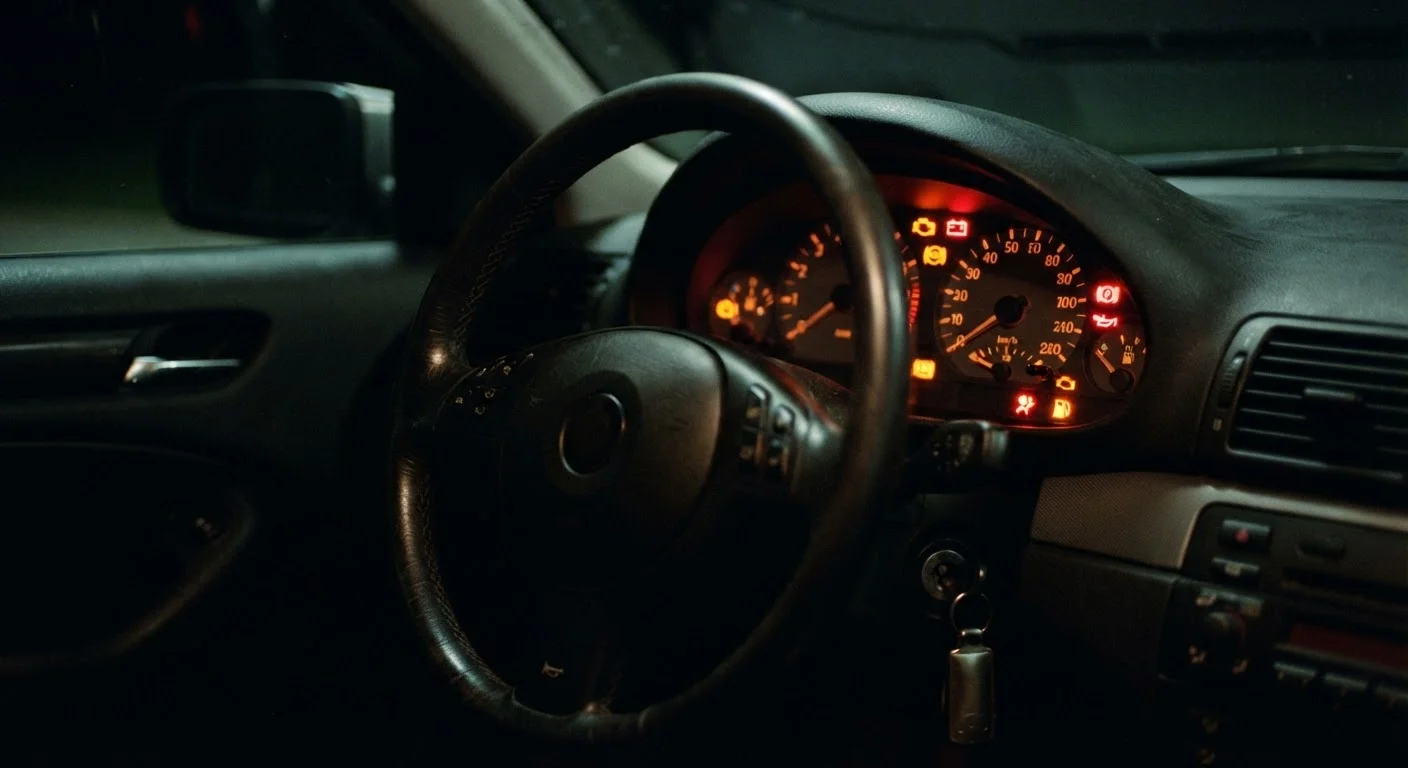
Photo: AnswersVista.com | Trustworthy Information Every Day editorial
How Warning Lights Are Organized
Dashboard warning lights follow a broadly consistent color-coding system across most modern vehicles, regardless of make or model. Red lights signal immediate danger - stop driving as soon as it is safe to do so. Yellow or amber lights indicate a condition that needs attention soon but is not necessarily an emergency. Green and blue lights are informational, confirming that a system (like high beams or turn signals) is active.
Your owner's manual is the definitive reference for your specific vehicle, since some symbols vary by manufacturer. That said, the lights covered here are standardized enough that recognizing them will serve almost every driver on American roads. For a deeper dive into automotive terminology, see our Car Care A-Z glossary.
The Lights You Should Never Ignore
Certain warning lights demand immediate action. Driving on after these illuminate can result in catastrophic - and expensive - damage.
- Oil Pressure (red oil can icon): Engine oil pressure has dropped dangerously low. Pull over safely, shut off the engine, and check the oil level. Continuing to drive risks seizing the engine within minutes.
- Engine Temperature (red thermometer in waves): The engine is overheating. Stop, turn off the engine, and allow it to cool. Do not remove the radiator cap while the engine is hot.
- Battery / Charging System (red battery icon): The vehicle's electrical charging system is not functioning. The car may be running on battery reserve only, giving you limited driving time before a stall.
- Brake System (red BRAKE or exclamation in circle): This light can mean the parking brake is engaged - release it and check. If it stays on while driving, brake fluid may be low or a hydraulic failure may be developing. Learn how your brake system components work together to understand what a failure here really means.
When the Check Engine Light Flashes
Amber lights warrant attention within days to weeks - not years. Ignoring them long enough turns a maintenance task into a major repair.
- Check Engine (amber engine outline): The powertrain control module has detected a fault. Causes range from a loose gas cap to a misfiring cylinder. A mechanic can read the stored diagnostic code in minutes with an OBD-II scanner.
- Tire Pressure (amber U-shape with exclamation): One or more tires has dropped below the recommended PSI. See our guide on tire pressure and tread depth for the specific numbers to aim for.
- Traction Control / Stability Control (amber car with skid lines): The system is actively working, or has been disabled. A steady light often means the system is off or has detected a fault worth inspecting.
What to Do When a Light Comes On
The safest habit is a simple two-step check: note the color, then consult your owner's manual or a trusted reference before deciding to keep driving. Red means stop. Amber means schedule service. Never assume a light will resolve itself without intervention.
A qualified mechanic can quickly diagnose most warning lights using diagnostic equipment - something a multi-point inspection often covers. Beyond reactive responses, the driving habits you maintain every day also affect how often these lights appear. Poor habits - aggressive braking, infrequent oil changes, ignoring slow leaks - quietly increase wear and the likelihood of a warning light activation. See how everyday driving behaviors affect vehicle wear for context.
When in doubt, err on the side of caution. A tow is far less expensive than a seized engine or failed brakes. For a broader look at vehicle knowledge every driver benefits from, visit our Vehicle Know-How hub.
The content provided on our blog site traverses numerous categories, offering readers valuable and practical information. Readers can use the editorial team’s research and data to gain more insights into their topics of interest. However, they are requested not to treat the articles as conclusive. The website team cannot be held responsible for differences in data or inaccuracies found across other platforms. Please also note that the site might also miss out on various schemes and offers available that the readers may find more beneficial than the ones we cover.