
Why Brake Maintenance Gets Delayed-and What That Delay Costs

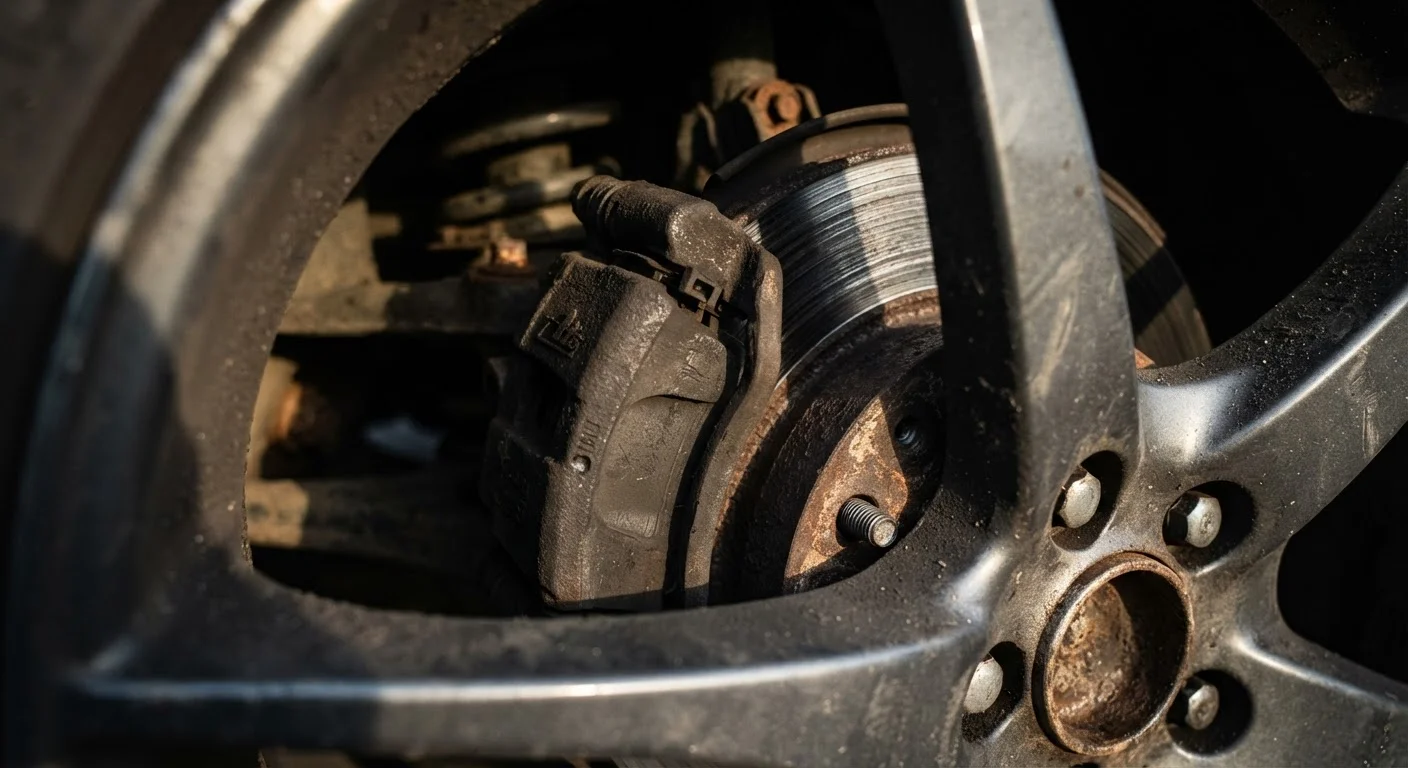
Photo: AnswersVista.com | Trustworthy Information Every Day editorial
Key Takeaways
- Ignoring brake warning signs like squealing or grinding can double or triple repair costs.
- Brake pads typically need inspection every 12,000 miles, but driving habits affect wear significantly.
- Rotor damage caused by metal-on-metal contact is one of the most avoidable brake expenses.
- Many drivers delay brake service due to cost concerns, often making the final bill much higher.
- A full brake system failure is rare but can result from sustained, deliberate neglect.
Why Drivers Keep Putting Off Brake Service
Brake maintenance sits in an uncomfortable middle ground for most drivers: expensive enough to avoid, but not dramatic enough to force immediate action - at least not at first. Unlike a flat tire or a dead battery, brake wear is gradual and easy to rationalize away. A faint squeal becomes background noise. A slightly longer stopping distance feels like imagination. This slow creep is exactly what makes delayed brake service so costly in the long run.
The financial reality is straightforward: brake pads are consumable components designed to be replaced. When they're replaced on schedule, the job is relatively affordable. When they're ignored until metal contacts metal, rotors sustain damage that turns a routine service call into a significantly larger repair bill. The pattern of skipping routine maintenance to save money - only to spend far more later plays out clearly in brake systems.
Understanding which specific mistakes drivers make - and why they make them - is the first step to breaking that cycle.
Dismissing the brake warning light as a minor issue.
Ignoring squealing sounds during braking.
Skipping brake inspections during routine tire rotations.
Delaying service because the upfront cost feels unaffordable.
Assuming brakes only need attention when stopping performance drops noticeably.
What Delayed Brake Service Actually Costs You
The cost of brake neglect isn't just financial. Worn brakes increase stopping distances, reduce control in emergency situations, and can contribute to accidents. But for most drivers, the repair bill is what drives the lesson home.
~$300-$800
Typical rotor replacement cost per axle
Rotor resurfacing or replacement significantly exceeds the cost of timely pad replacement, illustrating the financial penalty of delayed service.
12,000-15,000 miles
Common brake pad inspection interval
Many manufacturers and mechanics recommend brake pad checks at this interval, though aggressive driving or hilly terrain can accelerate wear considerably.
A standard brake pad replacement typically runs $100-$300 per axle depending on vehicle type and labor rates in your area. Once rotors are scored or warped from metal-on-metal contact, that figure can climb to $400-$800 or more - for the same axle. Some vehicles with larger brake systems cost even more. Multiply that by both axles and the cost of procrastination becomes very clear.
Metal-on-Metal Contact Is an Emergency
Beyond rotors, extreme neglect can damage calipers, brake lines, and ABS sensors - components that are substantially more expensive to repair or replace. These are not theoretical risks; mechanics encounter them regularly when customers come in after a long delay.
Staying ahead of the maintenance curve is the single most effective way to keep brake costs manageable. Pair brake inspections with your regular service visits, and treat warning sounds or lights as immediate priorities rather than items for a future to-do list. See how brake care fits into your broader vehicle upkeep by reviewing what every milestone on your car's maintenance schedule means.
Brake Fade Can Occur Without Warning
It's also worth considering how everyday driving behavior affects brake wear. Hard braking, riding the brakes downhill, and carrying heavy loads all accelerate pad wear. Learning which driving habits quietly accelerate wear on your car can help you extend the life of your brakes between service intervals.
The content provided on our blog site traverses numerous categories, offering readers valuable and practical information. Readers can use the editorial team’s research and data to gain more insights into their topics of interest. However, they are requested not to treat the articles as conclusive. The website team cannot be held responsible for differences in data or inaccuracies found across other platforms. Please also note that the site might also miss out on various schemes and offers available that the readers may find more beneficial than the ones we cover.