
Six Places Homeowners Overlook During a Seasonal Maintenance Walk-Through

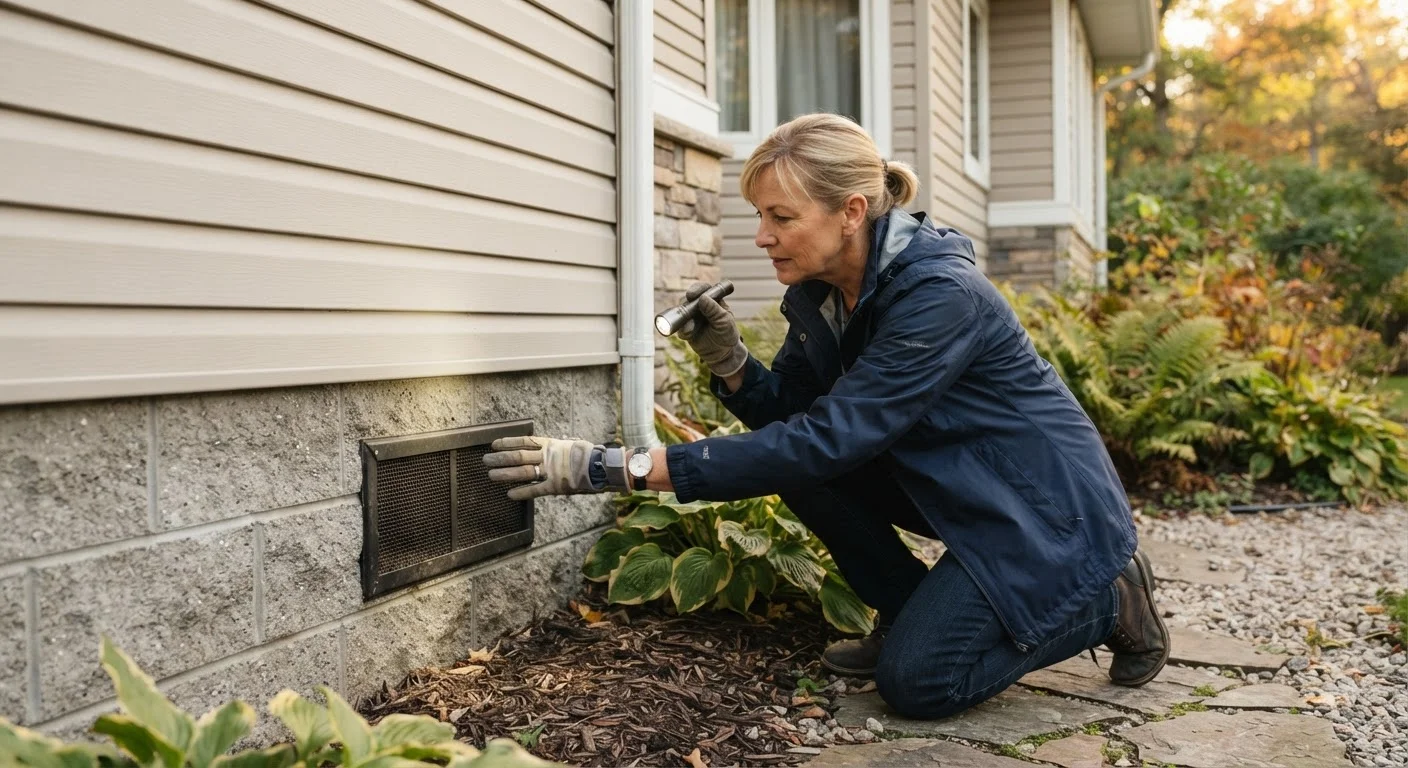
Photo: AnswersVista.com | Trustworthy Information Every Day editorial
Key Takeaways
- Dryer vents, crawl space vents, and expansion joints are commonly skipped during seasonal home inspections.
- Small oversights in these areas can lead to moisture damage, fire hazards, or costly structural repairs.
- Most of these checks require only basic tools and take just a few minutes each.
- Catching problems early during a walk-through is far less expensive than addressing them after damage occurs.
- Some findings - particularly those involving structural or electrical concerns - should be referred to a licensed professional.
Why the Usual Checklist Leaves Gaps
Most homeowners have a seasonal ritual: clean the gutters, test the smoke detectors, flip the ceiling fans. It's a solid start - but there's a second tier of maintenance targets that rarely make the list, and those are often where quiet, expensive problems take root.
The six spots below are consistently underinspected. They don't announce themselves the way a leaking faucet does. Instead, they degrade gradually - accumulating lint, moisture, cracked caulk, or blocked airflow - until the damage becomes hard to ignore. Adding them to your walk-through takes very little time and can head off repairs that are far more disruptive than the inspection itself.
For a broader look at how consistent upkeep pays off over time, see our overview of routine maintenance benefits.
The Dryer Vent Termination Point
Homeowners who clean their lint trap regularly often assume the dryer vent is handled. But the duct that exhausts to the outside - particularly the termination cap on the exterior wall - deserves its own inspection. Lint accumulates inside the duct run and around the flap, restricting airflow and creating a fire hazard. Nesting birds and insects also favor these openings in warmer months.
Check that the exterior flap opens freely when the dryer runs and closes fully when it stops. If airflow feels weak at the exterior cap, the duct may need cleaning - a task a dryer vent cleaning service can handle if the run is long or inaccessible.
A clogged dryer vent is one of the most common - and preventable - causes of home fires.
Crawl Space and Foundation Vents
Crawl space vents allow moisture-laden air to escape from underneath the home. When they're blocked - by debris, settled soil, or pest screens that have caved in - moisture builds up and can lead to wood rot, mold growth, and pest intrusion. In winter, some vents are intentionally closed; the key is making sure they're in the correct state for the season and that the covers or screens are intact.
Peer inside any accessible vents with a flashlight. Look for standing water, condensation on floor joists, or signs of animal activity. If you notice any of these, consult a contractor or pest professional before the issue progresses.
Blocked crawl space vents can quietly set the stage for mold and structural wood damage.
Concrete Expansion Joints
The gaps between sections of a concrete driveway, sidewalk, or patio exist on purpose - they give the slab room to expand and contract with temperature changes. But the filler material in these joints (typically a foam backer rod and sealant) degrades over time, allowing water to seep in. When that water freezes, it accelerates cracking and can undermine the base beneath the slab.
Walk your concrete surfaces and look for joints where the sealant has cracked, pulled away, or disappeared entirely. Resealing is a manageable DIY task using polyurethane or self-leveling sealant available at hardware stores - but the joint should be clean and dry before applying any new material.
Unsealed expansion joints let water in - and freeze-thaw cycles do the rest of the damage.
The Area Around Your Outdoor Hose Bibs
Hose bibs (the outdoor spigots on your home's exterior) are exposed to weather year-round. The caulk or foam around where the bib penetrates the wall often cracks or separates, creating a pathway for water intrusion and cold air. The handle and packing nut can also develop slow leaks that go unnoticed until water damage shows up on an interior wall.
Turn each bib on briefly to confirm it flows and shuts off cleanly. Inspect the escutcheon plate (the decorative cover where the pipe exits the wall) and reseal any gaps with exterior-grade caulk. For homes in freezing climates, confirm that frost-free bibs are actually draining properly after shutoff. See our guide on sealing air leaks around penetrations for related techniques.
A small gap around a hose bib can let cold air and moisture into your wall cavity.
Attic Soffit and Ridge Vents
Proper attic ventilation depends on air entering through soffit vents at the eaves and exiting through ridge vents at the peak. When soffit vents are blocked - by insulation pushed up against them during an insulation job, or by debris from the outside - airflow stalls, and moisture and heat build up in the attic. This can shorten roof shingle life and encourage mold growth on sheathing.
From outside, walk the eaves and look for soffit vents that appear blocked, damaged, or missing screens. From the attic (if safely accessible), check that insulation baffles are in place so blown-in insulation hasn't covered the vent openings. Ridge vent inspection is best left to a roofing professional if getting on the roof isn't safe for you.
Blocked soffit vents are one of the leading causes of premature roof and attic deterioration.
Window Well Drainage
Basement windows that sit below grade are typically surrounded by a curved window well - but that well needs a gravel bed or drain at its base to prevent water from pooling against the window. Over time, leaves and debris fill the well, the drain clogs, and water has nowhere to go except through the window frame into the basement.
Clear window wells of debris each season and confirm that the gravel layer at the bottom hasn't been displaced or compacted. If water consistently pools in the well despite a clear drain, the gravel may need to be refreshed or the drain inspected for blockage. Well covers - clear plastic domes that keep debris out - are a practical option if you find yourself cleaning them repeatedly.
A clogged window well drain is one of the easiest-to-prevent causes of basement water intrusion.
Make It a Habit, Not a Reaction
The most effective walk-throughs happen on a schedule - not in response to a problem. Twice a year (spring and fall) is the standard cadence most home professionals recommend, with spring being the right time to catch anything winter may have shifted, cracked, or blocked. Our spring lawn prep checklist pairs well with an exterior inspection of the items above.
Keep a simple log of what you checked, what you found, and what action you took. Over time, that record becomes genuinely useful - especially if you're planning renovations or selling the home. For projects that grow out of what you find, be sure to understand which repairs and upgrades typically require permits before starting work.
Photograph What You Find
The content provided on our blog site traverses numerous categories, offering readers valuable and practical information. Readers can use the editorial team’s research and data to gain more insights into their topics of interest. However, they are requested not to treat the articles as conclusive. The website team cannot be held responsible for differences in data or inaccuracies found across other platforms. Please also note that the site might also miss out on various schemes and offers available that the readers may find more beneficial than the ones we cover.