
Dental Disease Is the Most Overlooked Pet Health Problem

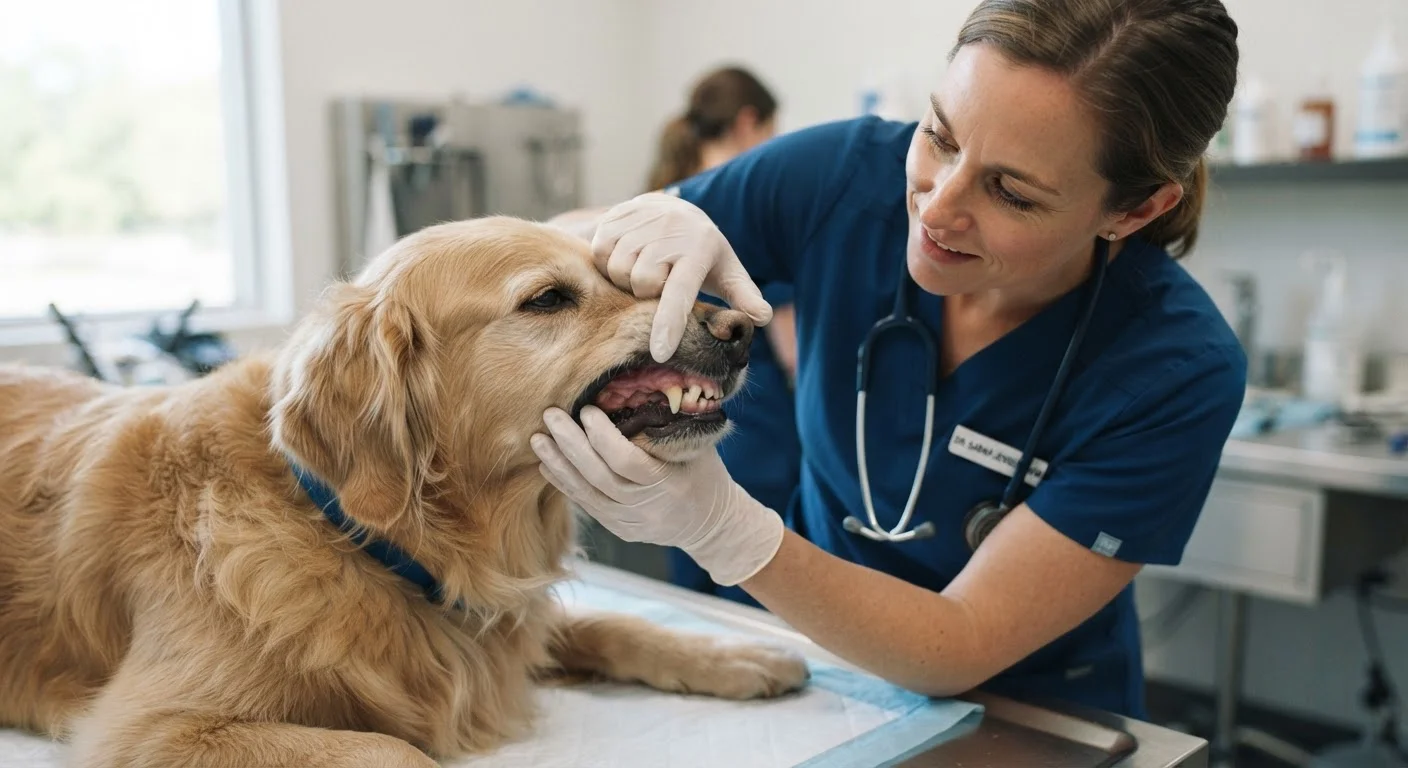
Photo: AnswersVista.com | Trustworthy Information Every Day editorial
Key Takeaways
- By age three, most dogs and cats show signs of periodontal disease, often without obvious symptoms.
- Dental disease can progress to affect the heart, kidneys, and liver if left untreated.
- Bad breath in pets is a warning sign, not a normal condition to accept.
- At-home brushing and regular professional cleanings are both essential to oral health.
- Pets rarely show obvious pain even when dental disease is advanced - owners must be proactive.
Why Dental Disease Flies Under the Radar
Periodontal disease - infection and inflammation of the structures supporting the teeth - is diagnosed in the majority of dogs and cats by the time they reach age three. Yet it remains one of the least discussed aspects of routine pet care. Why? Because pets are instinctively wired to hide discomfort, and early dental disease rarely produces dramatic symptoms that prompt a vet visit.
Unlike a limp or a skin rash, plaque buildup happens silently. Bacteria colonize the gum line, form tartar, and gradually destroy the bone and soft tissue anchoring the teeth. By the time an owner notices persistent bad breath or a reluctance to chew, the disease is typically well underway. This is why routine professional dental exams - not just visual checks at home - are so important. As part of a complete routine care plan, oral health deserves the same attention as vaccines and parasite prevention.
Myth
Bad breath is just a normal part of having a dog or cat.
Fact
Persistent bad breath is one of the earliest and most reliable signs of dental disease, not a baseline condition.
Many pet owners assume that "dog breath" or "cat breath" is simply par for the course. In reality, a healthy mouth should not produce a strong, foul odor. Offensive breath - particularly if it is persistent - is typically caused by the volatile compounds released by bacteria accumulating at and below the gum line. Accepting bad breath as normal means missing an early opportunity to intervene before disease progresses.
Myth
If my pet is still eating normally, their teeth must be fine.
Fact
Pets commonly continue eating even with advanced dental pain because their survival instincts override discomfort signals.
This is one of the most dangerous misconceptions in pet dental care. Dogs and cats are biologically programmed not to show weakness, which means they will often push through significant oral pain to eat. Owners may not notice a problem until a tooth fractures, an abscess forms, or a veterinarian identifies bone loss on dental X-rays. Eating behavior alone is not a reliable indicator of oral health.
Myth
Dental cleanings under anesthesia are too risky to be worth it.
Fact
For most healthy pets, anesthesia-free dental cleanings are inadequate, and properly managed anesthesia carries low risk when done with pre-anesthetic screening.
Concern about anesthesia is understandable, but the risks of untreated dental disease - including systemic infection and tooth loss - generally outweigh the risks of a professionally managed cleaning with modern anesthetic protocols. Importantly, anesthesia-free dental procedures cannot safely access below the gum line, which is where periodontal disease begins. Veterinary teams routinely conduct bloodwork and health screenings before a cleaning to identify and minimize risk.
Myth
Dry kibble naturally cleans a pet's teeth.
Fact
Most dry kibble provides minimal mechanical cleaning and should not be relied upon as dental care.
The idea that crunchy food scrubs teeth clean has been widely repeated but has little scientific support. Most kibble pieces fracture and crumble on contact rather than abrading the tooth surface the way a dental chew specifically designed for plaque reduction might. While some veterinary-formulated dental diets do exist and may offer modest benefits, regular food - wet or dry - is not a substitute for dedicated oral hygiene practices.
Myth
Small dogs and flat-faced breeds don't have worse dental problems than other pets.
Fact
Small and brachycephalic (flat-faced) breeds are disproportionately prone to dental overcrowding and early-onset periodontal disease.
Toy breeds such as Chihuahuas, Yorkshire Terriers, and Dachshunds, as well as flat-faced cats like Persians, often have the same number of teeth as larger animals packed into a much smaller jaw. This crowding creates pockets where plaque accumulates rapidly, leading to earlier and more severe periodontal disease. Owners of these breeds should discuss more frequent dental checkups with their veterinarian from an early age.
The Whole-Body Impact of Poor Oral Health
Dental disease isn't just a mouth problem. Research in veterinary medicine has established a connection between chronic oral infection and conditions affecting the heart, kidneys, and liver. Bacteria from infected gum tissue can enter the bloodstream and, over time, may contribute to organ inflammation. This systemic link is one reason veterinarians increasingly emphasize oral health as a core component of overall wellness - not a cosmetic concern.
80%
Dogs with periodontal disease by age 3
According to the American Veterinary Medical Association, approximately 80% of dogs and 70% of cats show evidence of oral disease by age three.
70%
Cats affected by dental disease by age 3
Veterinary dental studies consistently identify periodontal disease as the single most common clinical condition diagnosed in small animal practice.
Recognizing early warning signs matters. Persistent bad breath, pawing at the mouth, dropping food while eating, or changes in chewing behavior can all indicate dental discomfort. If your pet is showing any of these signs alongside other behavioral shifts, consult your veterinarian promptly - and see our guide to symptoms that warrant a vet visit for a broader checklist.
Building consistent at-home habits alongside professional care is the most effective strategy. Daily tooth brushing using a pet-safe toothpaste, dental chews evaluated by a veterinary dental organization, and water additives can all reduce plaque accumulation between cleanings. These habits complement - but do not replace - annual or biannual professional dental cleanings under anesthesia, which allow thorough scaling below the gum line where disease originates. For more everyday habits that support your vet's work, see at-home health habits that support your vet.
Dental Disease Can Affect Vital Organs
This article is for general informational purposes only and is not a substitute for professional veterinary advice. Always consult a licensed veterinarian for guidance specific to your pet's health needs.
The content provided on our blog site traverses numerous categories, offering readers valuable and practical information. Readers can use the editorial team’s research and data to gain more insights into their topics of interest. However, they are requested not to treat the articles as conclusive. The website team cannot be held responsible for differences in data or inaccuracies found across other platforms. Please also note that the site might also miss out on various schemes and offers available that the readers may find more beneficial than the ones we cover.