
Before Your First Training Session: A Preparation Checklist for Pet Owners

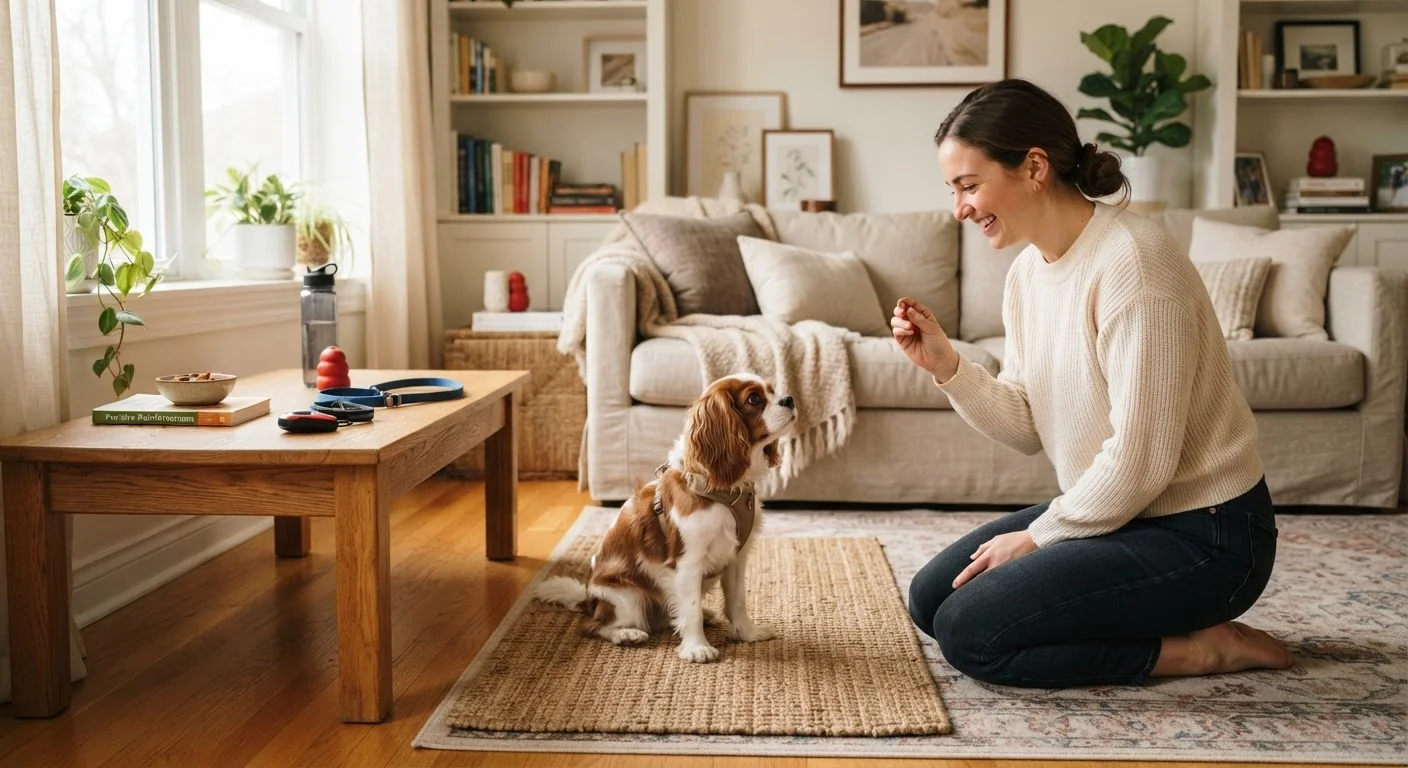
Photo: AnswersVista.com | Trustworthy Information Every Day editorial
Key Takeaways
- Choose a quiet, distraction-free space before beginning any training session with your pet.
- High-value, soft treats work best as rewards - especially for a pet's very first sessions.
- Sessions should stay short: 5 to 10 minutes is enough for most pets to stay focused.
- A clear plan for one or two simple behaviors prevents confusion for both pet and owner.
- Your own calm, consistent energy directly shapes how your pet responds during training.
Why Preparation Matters Before Session One
Most early training struggles aren't caused by an uncooperative pet - they're caused by an unprepared owner. Walking into a first session without the right tools, a distraction-free environment, or a clear behavioral goal sets both of you up for frustration rather than progress.
Positive, reward-based training depends on precise timing, consistent cues, and a pet that's calm enough to learn. All three of those conditions are far easier to achieve when you've done the groundwork ahead of time. Whether you're starting with a new puppy, an adult rescue dog, or even a cat, the fundamentals of good preparation stay largely the same.
If you're still in the very early days of pet ownership, our guide on what to expect in your first week with a new pet covers important context that feeds directly into how ready your animal is to begin formal training.
Use the checklist below to work through every preparation step before you give your first cue.
High-value training treats
Serve as the primary reward for correct behavior; soft, small, and aromatic options tend to hold a pet's interest most reliably.
Treat pouch or small bowl
Keeps rewards accessible for fast, well-timed delivery without fumbling through a pocket or bag mid-session.
Clicker or marker word plan
Marks the exact moment a correct behavior occurs, bridging the gap between the behavior and the delivery of a treat.
Non-slip mat or rug
Gives your pet stable footing and defines a consistent training spot, which can help them mentally transition into learning mode.
Timer (phone or kitchen timer)
Ensures sessions stay within the 5-to-10-minute window that keeps most pets focused without mental fatigue.
Notepad or training log
Lets you record which cue you used and how the session went, so you start each subsequent session with consistent language and clear benchmarks.
Your Pre-Session Preparation Checklist
Work through each group in order. The earlier groups - environment and supplies - take the most physical setup time, while the later groups focus on your own readiness as a handler.
Environment setup
Supplies and rewards
Session planning
Your own readiness
Health and welfare check
Don't train through fear or frustration
Once you've completed these steps, you'll be in a much stronger position for a productive first session. For what comes next, our article on training a dog from day one walks through the core principles and early milestones to build on. If you're weighing how to mark your pet's correct behaviors, clicker training vs. verbal markers is worth reading before your second or third session.
The content provided on our blog site traverses numerous categories, offering readers valuable and practical information. Readers can use the editorial team’s research and data to gain more insights into their topics of interest. However, they are requested not to treat the articles as conclusive. The website team cannot be held responsible for differences in data or inaccuracies found across other platforms. Please also note that the site might also miss out on various schemes and offers available that the readers may find more beneficial than the ones we cover.