
Value vs. Price: Why the Cheaper Option Isn't Always the Better Deal

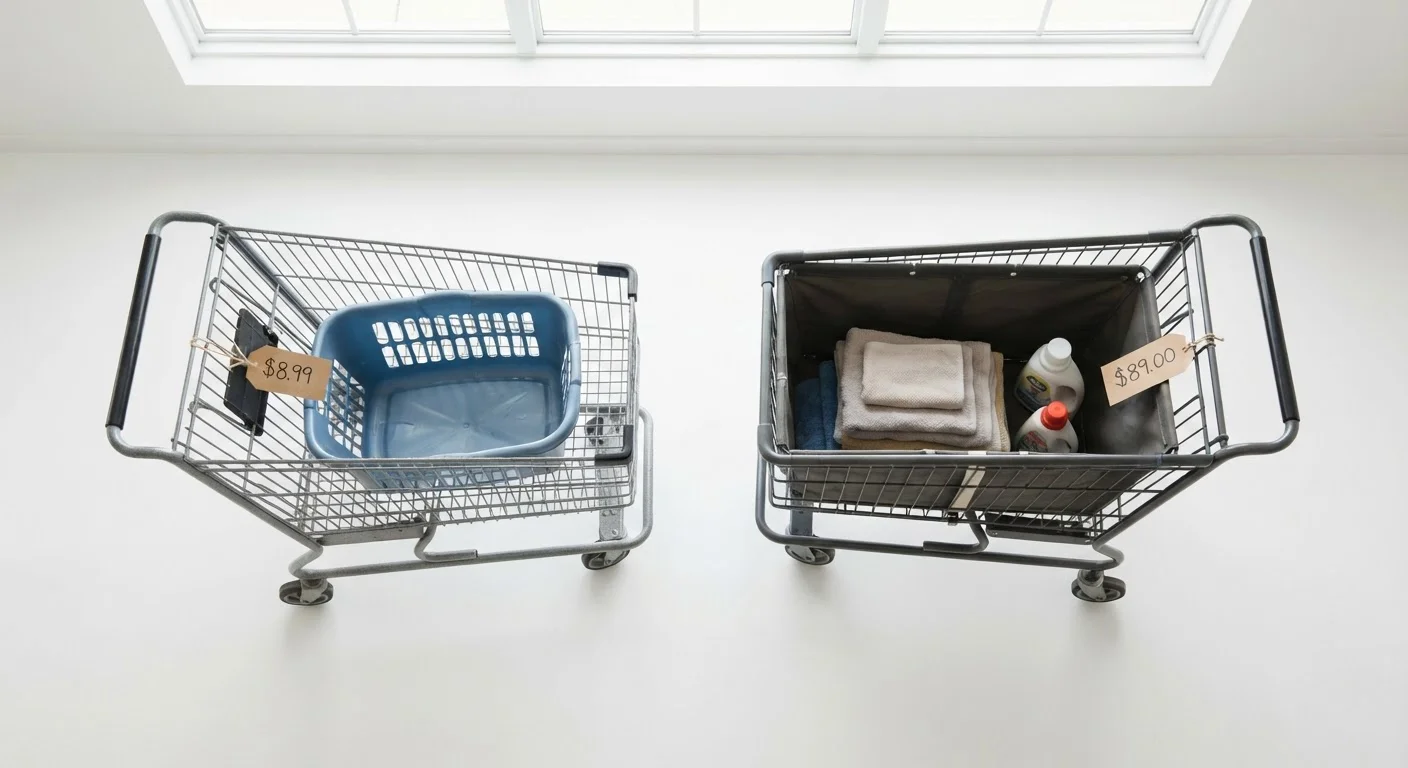
Photo: AnswersVista.com | Trustworthy Information Every Day editorial
Key Takeaways
- Price is a single data point; value measures the full return on what you spend.
- Durability, performance, and lifespan determine whether a lower-priced item actually saves money.
- Total cost of ownership - including maintenance and replacement - often closes the gap between cheap and premium.
- High prices don't guarantee better quality any more than low prices guarantee poor quality.
- Matching a purchase to your actual usage level is one of the most reliable ways to identify real value.
Why Price and Value Are Not the Same Thing
When most people shop, they're scanning for the lowest number on the tag. That instinct makes sense - nobody wants to overpay. But price and value are two distinct measurements, and confusing them is one of the most consistent ways consumers end up spending more than necessary.
Price tells you what leaves your wallet today. Value tells you what you receive across the full life of the purchase. A $15 item that needs replacing every three months costs $60 a year. A $40 version of the same thing that holds up for two years costs $20 annually. The pricier option delivered more than twice the value per dollar spent.
This is why upfront price so often misleads buyers - it captures only one moment in a product's life. Real purchasing decisions benefit from a wider view.
2-3×
Cost multiplier when cheap items are replaced repeatedly
Consumer advocacy analyses frequently find that replacing a low-cost item two or three times costs significantly more than purchasing a mid-range durable alternative at the outset.
60%
Shoppers who primarily compare price, not quality metrics
Surveys conducted by consumer research organizations suggest a majority of American shoppers focus primarily on price during purchase decisions, with product lifespan and total cost considered less often.
30%+
Potential TCO reduction from choosing durable products
Product lifecycle analyses in categories like appliances and footwear suggest durable options can reduce total cost of ownership by 30% or more compared to repeated replacement of lower-cost items.
Total Cost of Ownership: The Number That Actually Matters
Total cost of ownership (TCO) is the aggregate expense of buying and using a product over its useful life. It includes the sticker price plus maintenance, replacement parts, energy consumption, consumables, and the cost of eventual replacement. For everyday purchases, you don't need a spreadsheet - just a habit of asking: what will this realistically cost me over a year or two?
Consider a low-cost printer versus a slightly more expensive model. The cheaper printer may have a lower upfront cost but require proprietary ink cartridges that cost far more per page. Over 12 months of regular use, the "affordable" printer can easily become the more expensive choice. Build quality plays a central role here - products made with better materials typically require fewer repairs and replacements.
The same logic applies to everything from footwear to kitchen appliances. Matching your analysis to how intensively you'll actually use something is equally important. A high-volume user and an occasional user rarely need the same product tier.
When Cheap Is Fine - and When It Isn't
Not every purchase warrants deep analysis. For low-stakes, infrequent, or inherently disposable items - single-use event supplies, short-term tools, items you'll use once - a lower price point is often perfectly rational. The mistake is applying that logic universally.
Where cheaper consistently underperforms: items that bear regular physical stress (shoes, bags, cookware), products where safety margins matter (car seats, helmets, electrical components), and anything where failure triggers additional expense (a cheap hose fitting that ruins hardwood floors). In these categories, the upfront savings evaporate quickly.
It's equally important to resist the opposite error. Higher pricing doesn't reliably signal superior performance, particularly in consumer electronics where marketing premiums are substantial. The goal isn't to spend more - it's to spend appropriately. See what to evaluate before you buy for a practical framework that applies across product categories.
How to Measure Value Before You Commit
Measuring value is more straightforward than it sounds. Four questions cover most purchasing decisions:
- What is the realistic lifespan? Divide the price by expected years or uses to get a cost-per-use figure. Compare that across your options.
- What are the ongoing costs? Consumables, accessories, energy, and maintenance costs compound quickly. Factor them in before committing.
- Does the quality match the usage level? A heavy daily user and an occasional user have different value thresholds. Overbuying for light use is waste; underbuying for heavy use is a false economy.
- Is the price gap explained by function or brand? When two products share the same core specifications and construction, the cheaper one is likely the better value. Generic vs. name brand differences are real in some categories and negligible in others.
Effective comparison shopping means comparing value across these dimensions - not just lining up price tags. That shift in approach consistently leads to smarter outcomes without spending more time than necessary.
Use Cost-Per-Use as Your Default Lens
Frequently Asked Questions
The content provided on our blog site traverses numerous categories, offering readers valuable and practical information. Readers can use the editorial team’s research and data to gain more insights into their topics of interest. However, they are requested not to treat the articles as conclusive. The website team cannot be held responsible for differences in data or inaccuracies found across other platforms. Please also note that the site might also miss out on various schemes and offers available that the readers may find more beneficial than the ones we cover.