
Build Quality Explained: What Makes Something Actually Last

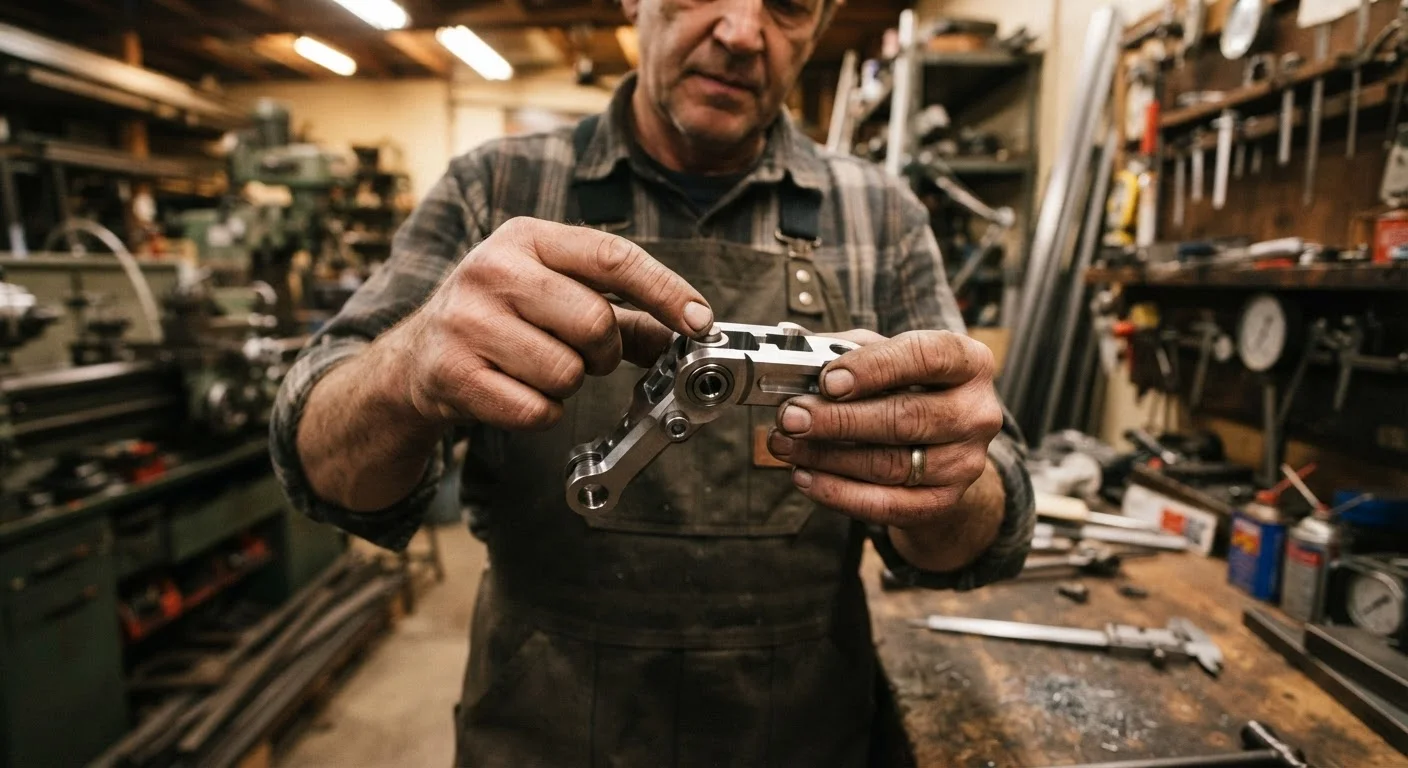
Photo: AnswersVista.com | Trustworthy Information Every Day editorial
Key Takeaways
- Material grade matters more than surface appearance - premium finishes can mask low-quality substrates.
- Stress points (joints, hinges, connectors) are where most products fail first; inspect these closely.
- Tolerance and fit - how precisely parts align - is a reliable indicator of overall manufacturing quality.
- Heavier weight doesn't always mean better quality, but unusual lightness in load-bearing parts is a warning sign.
- Consistent maintenance extends even high-quality products well beyond their baseline lifespan.
- A higher purchase price doesn't guarantee superior build quality; construction details are the real signal.
Why Build Quality Is More Than How Something Looks
Most consumers judge quality by surface appearance - a glossy finish, solid color, uniform texture. But aesthetics are among the easiest things to fake. A product can look polished while relying on cheap substrate materials, minimal reinforcement, and assembly shortcuts invisible until something breaks.
True build quality lives beneath the surface. It's determined by what a product is made from, how those materials are joined, and whether the design anticipates where stress accumulates during real use. These factors - not color or sheen - determine whether something lasts two years or twenty.
Understanding this distinction is what separates a genuinely informed purchase from one guided by marketing. As the relationship between value and price makes clear, a low or high sticker price tells you very little about what you're actually getting.
Materials: The Foundation Everything Else Rests On
Material selection is the single biggest determinant of a product's potential lifespan. Every material has a grade spectrum - steels range from mild to tool-grade, polymers from commodity resins to engineering-grade variants with vastly different strength and thermal properties. A manufacturer choosing a lower-grade option saves money at the cost of your product's longevity.
Key material properties worth understanding:
- Tensile strength: How much pulling force a material can withstand before deforming or breaking.
- Corrosion resistance: Critical for anything exposed to moisture, salt, or chemicals. Stainless grades and anodized coatings differ dramatically in protection.
- Thermal stability: Materials that soften, warp, or embrittle outside a narrow temperature range fail prematurely in real environments.
- Fatigue resistance: The ability to withstand repeated stress cycles without cracking - essential for any moving part.
When specs are available, look for material designations rather than generic terms. "Aluminum" and "6061-T6 aluminum alloy" describe very different materials. Manufacturer specs don't always reflect real-world results, but specific material callouts are a reliable starting point.
~80%
Product failures attributable to design or materials
Engineering reliability research consistently estimates that the large majority of product failures originate in design and material decisions rather than user error or manufacturing accidents.
3-5×
Lifespan difference between material grades
Comparative durability testing in categories such as hand tools and hardware frequently documents two-to-fivefold lifespan differences when premium versus commodity-grade materials are used at critical stress points.
60%
Consumers who cite premature failure as top regret
Consumer satisfaction surveys across appliance, tool, and electronics categories routinely identify product failure before expected end-of-life as the leading driver of purchase regret.
Stress Points: Where Products Fail First
Every product has predictable failure zones - locations that absorb concentrated force, endure repeated movement, or transition between different materials. These are the stress points, and they're where quality engineering separates itself from cost-cutting.
Common stress points across product categories include:
- Joints and seams: Where two pieces are bonded, welded, or fastened. A weld bead that's uneven or a seam that relies solely on adhesive under load will fail faster than a mechanically fastened and bonded joint.
- Hinges and pivots: Repeated flexing demands precision fit and durable material. Cheap hinges show play (wobble) early; well-made ones stay tight across thousands of cycles.
- Threaded fasteners: Screws and bolts rely on thread engagement. Thin walls or soft material around threaded holes strip quickly, making reassembly impossible.
- Transitions between materials: Where rigid meets flexible, or metal meets plastic, differential expansion and stress concentration accelerate cracking.
When evaluating a product, physically test these areas. Squeeze joints, flex hinges, apply light pressure to fastenings. Rattles, flex, or gaps at these points under minimal force predict how the product will behave under actual use.
Tolerances, Fit, and the Detail Work That Signals Care
Manufacturing tolerance - the precision with which parts are made and assembled - is a reliable window into a product's overall quality. When parts fit together tightly and consistently, it indicates disciplined production processes. When panels don't align, gaps are uneven, or moving parts have detectable play straight out of the box, you're seeing evidence of loose tolerances that will worsen over time.
Tolerance is rarely listed in consumer specs, but it's observable. Run your fingers along seams. Open and close doors, lids, or covers and feel for resistance, wobble, or binding. Listen for rattles during movement. These aren't aesthetic concerns - they're early indicators of wear patterns and failure timelines.
The structured approach to comparing near-identical products is especially useful here: when specifications converge, fit and finish details often reveal the meaningful quality gap.
Use the "Stress Test Before You Buy" Method
How Maintenance Interacts With Build Quality
Even the highest-quality product degrades without appropriate care. Maintenance doesn't replace build quality - it multiplies it. A well-built product responds to consistent upkeep with dramatically extended performance; a poorly built one will fail regardless.
Understanding build quality helps you maintain more intelligently. Knowing which materials require lubrication, which joints are load-bearing, and where a product is most vulnerable lets you target care where it matters. This principle applies broadly - from household tools to vehicles. The long-term payoff of routine maintenance reflects the same logic: quality construction and consistent upkeep compound each other's benefits.
Conversely, identifying weak stress points early can prevent minor issues from cascading. A loose fastener caught and tightened costs nothing; the same fastener ignored can lead to joint failure and a product that can't be economically repaired.
Frequently Asked Questions
The content provided on our blog site traverses numerous categories, offering readers valuable and practical information. Readers can use the editorial team’s research and data to gain more insights into their topics of interest. However, they are requested not to treat the articles as conclusive. The website team cannot be held responsible for differences in data or inaccuracies found across other platforms. Please also note that the site might also miss out on various schemes and offers available that the readers may find more beneficial than the ones we cover.