
Smart Habits for Staying Safe as an American Traveling Abroad

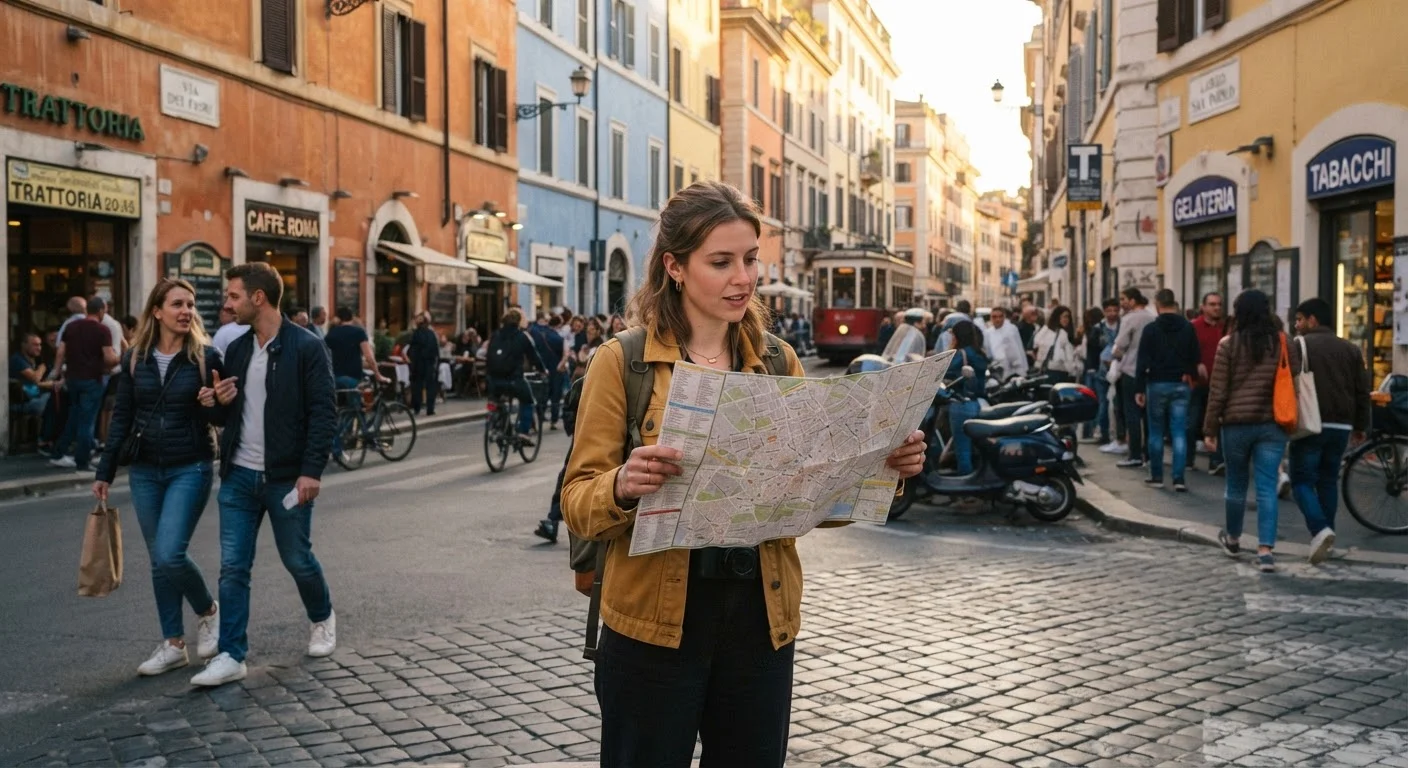
Photo: AnswersVista.com | Trustworthy Information Every Day editorial
Key Takeaways
- Carrying digital and physical copies of key documents reduces risk if originals are lost or stolen.
- Situational awareness — knowing your surroundings and blending in — is one of the most effective safety habits.
- Registering with the U.S. Embassy through STEP gives you access to official alerts and emergency assistance.
- A reliable connectivity plan ensures you can navigate, communicate, and call for help when needed.
- Sharing your itinerary with someone at home creates a safety net without limiting your freedom.
Before You Leave: Preparation Is the First Line of Defense
Most safety problems abroad begin before the plane takes off — with gaps in preparation that only become obvious when something goes wrong. The habits that matter most are built at home.
Start with your documents. Scan your passport, visa, travel insurance policy, and any vaccination records. Store copies in a secure cloud service you can access anywhere, and leave a physical set with a trusted person at home. If your passport is lost or stolen, having that copy dramatically speeds up the replacement process at a U.S. Embassy or Consulate. See our international packing guide for documents and essentials for a complete rundown of what to bring.
Register with the U.S. Department of State's Smart Traveler Enrollment Program (STEP) at travel.state.gov before any international trip. It's free, takes about five minutes, and ensures the nearest U.S. Embassy can reach you during emergencies, natural disasters, or civil unrest. It also gives your family a way to locate you if communication is disrupted.
Finally, research your destination's entry requirements, local laws, and any active travel advisories — and verify these through official government sources, not travel blogs. What's legal or acceptable at home may carry serious consequences elsewhere. Our guide to overlooked trip planning details covers customs, entry rules, and other logistics travelers often skip.
On the Ground: Daily Habits That Lower Your Risk
Once you've arrived, a few consistent daily habits make a meaningful difference in how safe — and how confident — you feel.
~1.9M
U.S. passports reported lost or stolen annually
According to U.S. State Department data, millions of Americans report passport loss each year — most commonly during international travel.
Top risk
Opportunistic theft in tourist-heavy areas
Travel safety experts and Embassy advisories consistently flag distracted, visibly equipped tourists as the most common targets in popular international destinations.
Situational awareness is the foundation. That means keeping your phone pocketed when walking busy streets, being mindful of who's around you at ATMs, and knowing where the nearest exit or open business is when you're in an unfamiliar area. Loud, distracted tourists with expensive gear on display are more likely to attract opportunistic theft.
Keep your everyday carry light and strategic. Use a front-facing bag or money belt for your passport and extra cash, and carry only what you need for the day. Leave backup cards and important documents secured in your accommodation — ideally in a room safe if available. Navigating unfamiliar cities confidently also reduces the time you spend looking lost, which itself lowers risk.
Connectivity matters more than most travelers expect. Have a plan before you land — whether that's an international plan through your carrier, a local SIM, or a portable Wi-Fi device. Being able to pull up a map, contact your accommodation, or reach emergency services quickly is not a convenience; it's a safety tool. Avoid relying solely on public Wi-Fi for anything sensitive.
Communication and Emergency Readiness
Even well-prepared travelers encounter unexpected situations. The difference between a manageable problem and a serious one often comes down to having the right information and contacts already in hand.
Write down — on paper — the local emergency number for your destination (it varies by country and is not always 911), the address of the nearest U.S. Embassy or Consulate, and your accommodation's address in the local language. Keep this card in your wallet, separate from your phone.
Share your full itinerary with a trusted contact at home, including hotel names, flight numbers, and any planned excursions. Check in with them at reasonable intervals. This doesn't need to be daily — but they should know where you expect to be and when to worry if they haven't heard from you. Our pre-trip checklist for international travel includes an emergency contacts section worth working through before departure.
Travel insurance that includes emergency medical evacuation is worth understanding before you need it. Read the policy carefully so you know what's covered and how to file a claim. For a full pre-departure framework, see our trip planning checklist every traveler needs.
This article is for general informational purposes only. Always verify entry requirements, travel advisories, and safety conditions through official U.S. government sources such as travel.state.gov before traveling internationally.
The content provided on our blog site traverses numerous categories, offering readers valuable and practical information. Readers can use the editorial team’s research and data to gain more insights into their topics of interest. However, they are requested not to treat the articles as conclusive. The website team cannot be held responsible for differences in data or inaccuracies found across other platforms. Please also note that the site might also miss out on various schemes and offers available that the readers may find more beneficial than the ones we cover.