
Destinations & Tips

Pre-Trip Checklist for International Travel From the United States

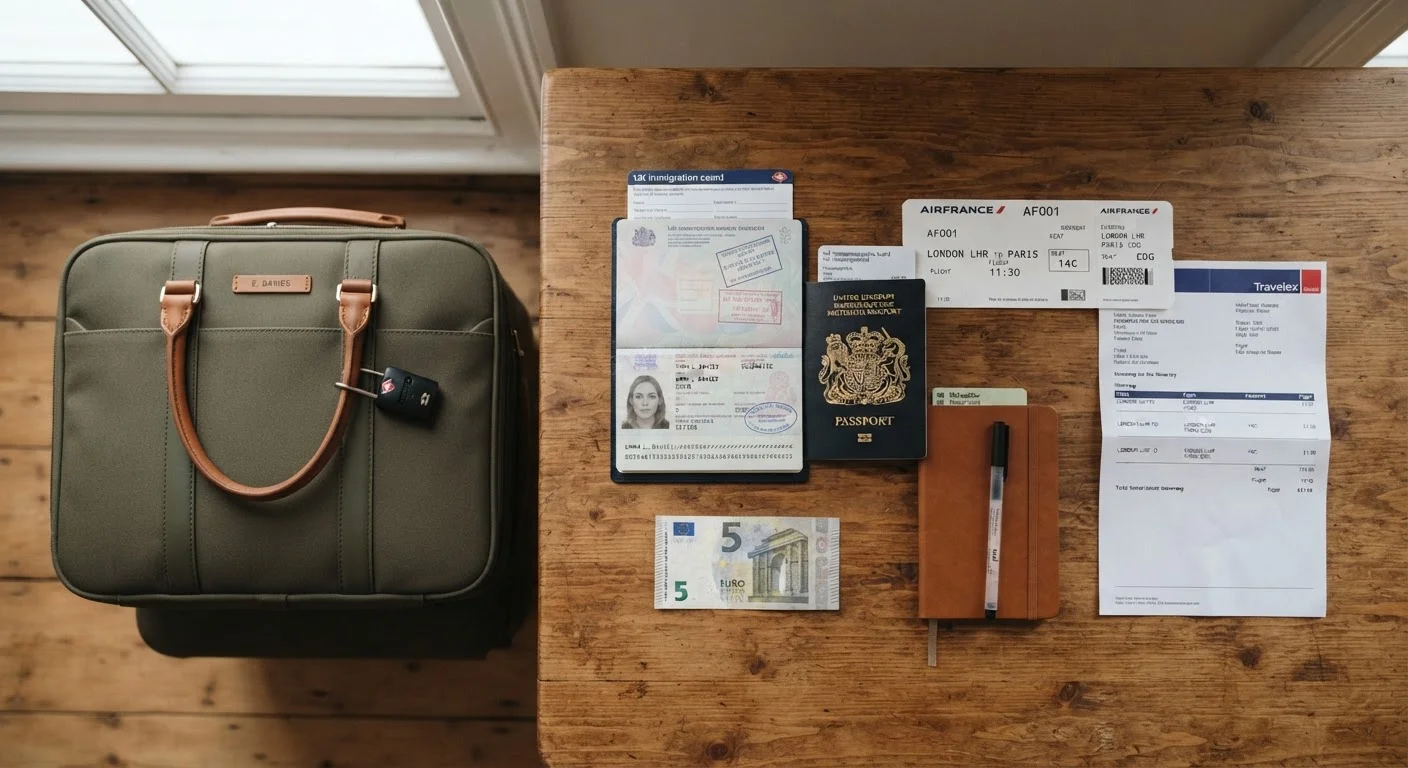
Pre-Trip Checklist for International Travel From the United States

Photo: AnswersVista.com | Trustworthy Information Every Day editorial

Passport validity, travel insurance, emergency contacts, medications, and more — a structured checklist to work through before you leave home.

Key Takeaways

  • Your passport must typically be valid for at least six months beyond your return date — check this first.
  • Many countries require a visa even for short visits; verify entry requirements with official government sources well in advance.
  • Travel insurance covering medical evacuation can save you from catastrophic out-of-pocket costs abroad.
  • Register your trip with the U.S. State Department's STEP program so embassies can reach you in emergencies.
  • Carry physical copies of key documents separately from the originals — and leave a set with someone at home.
  • Notify your bank and health insurance provider before departure to avoid disrupted access to funds or coverage.

Why International Travel Demands Its Own Checklist

Flying internationally from the United States involves a different tier of preparation than a domestic trip. The stakes are higher: a missing document, an expired passport, or an overlooked visa requirement can end your trip before it begins — and customer service lines at foreign airports aren't the place to sort it out.

This checklist is designed to be worked through systematically, ideally starting four to six weeks before departure. If you're newer to overseas travel, pair this with A First-Timer's Guide to Planning International Travel from the U.S. for broader context on logistics like currency and time zones. For a deeper dive into what to pack, International Travel Packing: Documents, Adapters, and the Items Most People Forget covers the gear and small essentials that catch travelers off guard.

Work through the groups below in order — the earlier categories have the longest lead times and the most serious consequences if skipped.

Required

U.S. State Department — travel.state.gov

Official source for passport applications, visa requirements, travel advisories, and the STEP enrollment program.

Required

Travel medicine clinic or primary care provider

Provides destination-specific vaccine recommendations and health documentation for prescribed medications.

Required

Travel insurance policy

Covers emergency medical care, medical evacuation, trip cancellation, and other unexpected costs abroad.

Optional

Offline maps app

Allows navigation and access to saved locations without a mobile data connection.

Required

International power adapter

Ensures your devices can be charged safely at your destination's outlet type and voltage.

The Complete Pre-Trip Checklist

These items are organized by category and tagged by priority. Must items are non-negotiable; skipping them can mean denied boarding or entry. Should items carry meaningful risk if skipped. Nice to have items improve your experience but won't derail the trip.

Documents & Entry Requirements

Verify your passport is valid for at least six months beyond your return date — many countries enforce this rule strictly at the border. Must
Research visa requirements for your destination using the U.S. State Department (travel.state.gov) and the destination country's official embassy website. Must
Apply for any required visa or Electronic Travel Authorization (ETA) with enough lead time — some visa categories take weeks to process. Must
Make two sets of photocopies of your passport, visa, travel insurance card, and itinerary — keep one set with you separately from originals and leave one at home. Must
Register your trip with the U.S. State Department's Smart Traveler Enrollment Program (STEP) at step.state.gov. Should

Health & Medical Preparation

Visit a travel medicine clinic or your primary care provider at least four to six weeks before departure to discuss destination-specific vaccines and health precautions. Must
Obtain a signed letter from your doctor for any prescription medications you are carrying, listing drug names, dosages, and the medical need. Must
Pack all prescription medications in original labeled containers and carry enough supply to last beyond your planned return date. Must
Confirm whether your U.S. health insurance covers international medical care and what the claims process looks like from abroad. Should
Bring a basic over-the-counter travel health kit: antidiarrheal, antacid, pain reliever, rehydration salts, antihistamine, and bandages. Should

Travel Insurance & Financial Access

Purchase a travel insurance policy that includes emergency medical coverage and medical evacuation — standard domestic health plans rarely cover these costs abroad. Must
Notify your bank and credit card providers of your travel dates and destination to prevent fraud-related blocks on your cards. Must
Identify which of your cards charge no foreign transaction fees and plan to use those as your primary payment method abroad. Should
Carry a small amount of destination-country currency for immediate needs upon arrival — airport ATMs often charge high fees. Should
Save your insurance policy number and the 24-hour emergency assistance phone number somewhere accessible without internet. Must

Safety, Connectivity & Emergency Contacts

Share your full itinerary — flights, accommodation addresses, and phone numbers — with a trusted contact at home. Must
Note the address and phone number of the nearest U.S. embassy or consulate at your destination. Must
Arrange an international phone plan or a local SIM card option before departure so you have reliable communication on arrival. Should
Download offline maps and your accommodation details so they are accessible without a data connection. Should
Pack the correct power adapter for your destination's outlet type and voltage — verify whether your devices are dual-voltage. Should
Research any current travel advisories for your destination at travel.state.gov and note any areas, behaviors, or local laws that require extra attention. Must

Entry Rules Change — Always Verify Officially

Visa policies, vaccination requirements, and entry conditions can change with little notice. Do not rely on travel blogs or third-party booking sites as authoritative sources. Always confirm requirements directly with the destination country's official embassy or consulate website and with travel.state.gov before you depart. This is especially important for destinations with frequent policy updates or those that may require proof of onward travel.

Once you've worked through all the categories, do a final pass 24–48 hours before departure. Confirm your flight check-in, recheck that your carry-on meets airline size limits, and verify that your accommodation details are saved somewhere accessible without internet. For a broader pre-departure walkthrough that covers booking confirmations and day-of logistics, see The Trip Planning Checklist Every Traveler Needs Before Departure.

Safe travel starts long before you reach the airport. Building habits around document safety and situational awareness also pays dividends once you're on the ground — Smart Habits for Staying Safe as an American Traveling Abroad covers practical habits experienced international travelers rely on.

Passport Validity: Don't Assume You're Fine

A passport that is technically unexpired can still get you turned away at the border. Dozens of countries require that your passport remain valid for three to six months beyond your planned departure from their country — not just your entry date. Check your passport's expiration date against this standard, not just against your travel dates. If it's close, apply for renewal well in advance; passport processing times can run several weeks or longer during peak periods.

Travel Editorial Team

AnswersVista.com | Trustworthy Information Every Day

Travel Editorial Team is the collective byline for our editorial team and contributor network. Articles published under this byline or an editorial pen name are researched, written, and reviewed according to our editorial standards for clarity, consistency, and independence before publication.

Trip PlanningPacking & GearDestinations & Tips
View author profile

The content provided on our blog site traverses numerous categories, offering readers valuable and practical information. Readers can use the editorial team’s research and data to gain more insights into their topics of interest. However, they are requested not to treat the articles as conclusive. The website team cannot be held responsible for differences in data or inaccuracies found across other platforms. Please also note that the site might also miss out on various schemes and offers available that the readers may find more beneficial than the ones we cover.