
A First-Timer's Guide to Planning International Travel from the U.S.

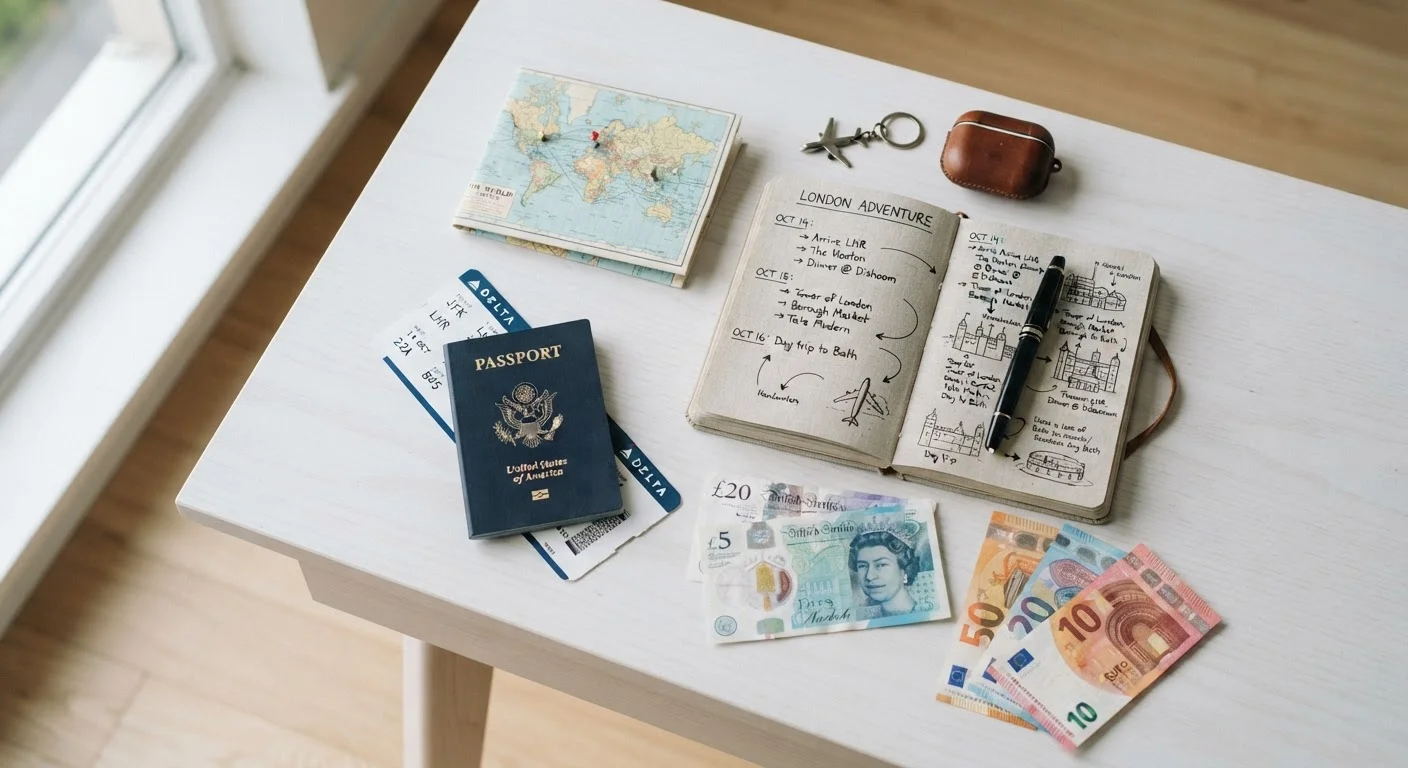
Photo: AnswersVista.com | Trustworthy Information Every Day editorial
Key Takeaways
- Apply for or renew your passport at least six months before your departure date.
- Visa requirements vary by destination — always verify through official government sources.
- Notify your bank before traveling and research foreign transaction fees in advance.
- Check CDC and State Department advisories for health and safety guidance specific to your destination.
- Carry photocopies of critical documents stored separately from the originals.
Start With Your Passport
Your passport is the single most important document for international travel — and the one that causes the most last-minute panic. If you don't have one, apply as early as possible; the U.S. State Department processes applications through acceptance facilities nationwide, including post offices and libraries.
If you already have a passport, check the expiration date carefully. Many countries require it to be valid for at least six months beyond your intended return date — a rule that catches first-timers off guard. Renewing an expired or soon-to-expire passport takes time, so don't wait until your trip is booked to look it up.
Protect Your Passport Data Early
Keep a digital photo of your passport's data page stored in your email or a secure cloud folder. If the original is lost or stolen abroad, this speeds up the replacement process considerably. For a full rundown of documents to prepare, see our international packing and documents guide.
Visas and Entry Requirements
Not every destination requires U.S. citizens to obtain a visa in advance, but the rules vary widely and change. Some countries offer visa-free entry for short stays; others require an electronic travel authorization (ETA) or a full visa application weeks before departure.
The most reliable source for entry requirements is the U.S. State Department's travel website combined with the destination country's official embassy or consulate website. Do not rely on travel blogs or social posts for this — entry rules are updated without notice and the consequences of getting it wrong (denied boarding, refused entry) are significant.
Visa
An official permission, usually stamped or attached to your passport, that allows you to enter a foreign country for a specific purpose and duration.
Electronic Travel Authorization (ETA)
A digital pre-approval required by some countries before U.S. travelers can board a flight there. It's simpler than a visa but still mandatory.
Foreign Transaction Fee
A charge added by some banks or credit card issuers on purchases made in a foreign currency, typically 1–3% of the transaction amount.
Travel Medicine Clinic
A specialized medical clinic that advises travelers on destination-specific health risks, recommended vaccinations, and preventive medications before international trips.
Customs Declaration
A formal statement made when entering a country listing items you're bringing in — such as goods, food, or large amounts of cash — that may be subject to local rules or duties.
eSIM
A digital SIM card built into modern smartphones that lets you activate a local or international data plan without swapping a physical SIM card.
Also pay attention to what you're allowed to bring in. Customs rules on food, medications, and cash amounts differ by country. Declaring items incorrectly at customs can result in fines or confiscation. For a broader look at the logistics that catch travelers off guard, see overlooked parts of trip planning.
Money, Cards, and Currency
Sorting out your money strategy before you leave is one of the highest-value prep steps you can take. Start by notifying your bank and credit card issuers of your travel dates and destination — without this, automated fraud detection may freeze your cards the moment you use them abroad.
Check whether your cards charge foreign transaction fees (typically 1–3% per purchase). Some checking and credit accounts waive these fees entirely, which adds up meaningfully on a longer trip. Using ATMs at your destination is generally a reliable way to access local currency, though your bank may charge a flat withdrawal fee per transaction.
Avoid exchanging currency at airport kiosks where rates are consistently unfavorable. Carry a modest amount of local currency for your first day — enough for ground transport and a meal — and plan from there based on how cash-reliant your destination tends to be.
Health, Safety, and Staying Connected
Before you travel, check the CDC's destination-specific health pages and the State Department's travel advisories for your country. Some destinations recommend or require vaccinations; others may have health risks worth discussing with a doctor in advance. Visit a travel medicine clinic if your destination has specific health considerations — ideally four to six weeks before departure to allow time for any vaccines to take effect.
Most standard U.S. health insurance plans offer minimal or no coverage abroad. Travel insurance that includes medical coverage and emergency evacuation is worth understanding before you dismiss it — particularly for longer trips or remote destinations. Compare what policies cover before purchasing.
For phone access, research international plans offered by your carrier or look into purchasing a local SIM or eSIM at your destination. Having reliable connectivity matters for navigation, translation, and reaching your accommodation. For strategies around jet lag and long-haul flight fatigue, our time zones and long-haul flights reference is a useful next read. Also review smart safety habits for Americans abroad before you go.
What to Pack and What to Double-Check
International travel introduces a short list of items that domestic trips don't require: a power adapter (outlet types and voltages vary by country), photocopies of your passport and visa stored separately from originals, travel-sized medications with documentation if prescription, and any required entry documentation printed or accessible offline.
Beyond the physical items, run through a mental checklist of logistics: Is your accommodation confirmed and the address saved? Do you know how to get from the airport to your hotel? Have you set up international roaming or arranged a SIM? Have you told someone at home your itinerary?
Our Packing & Gear hub covers the full scope of what to bring for international trips, including adapters and the small items that are easy to overlook. And if you want to understand destination-specific nuances before you arrive, the Destinations & Tips hub is a solid place to continue your research.
Frequently Asked Questions
The content provided on our blog site traverses numerous categories, offering readers valuable and practical information. Readers can use the editorial team’s research and data to gain more insights into their topics of interest. However, they are requested not to treat the articles as conclusive. The website team cannot be held responsible for differences in data or inaccuracies found across other platforms. Please also note that the site might also miss out on various schemes and offers available that the readers may find more beneficial than the ones we cover.